The Jordan Valley
Judean Desert
The Jordan Valley is a dramatic and historically rich region that runs along Israel’s eastern border with Jordan. The Jordan River, which gives the valley its name, winds through this region from the Sea of Galilee to the Dead Sea, nourishing the land along its course. The Dead Sea, visible from many vantage points in the region, marks the lowest point on the earth’s surface, sitting approximately 430 meters (1,410 ft.) below sea level.
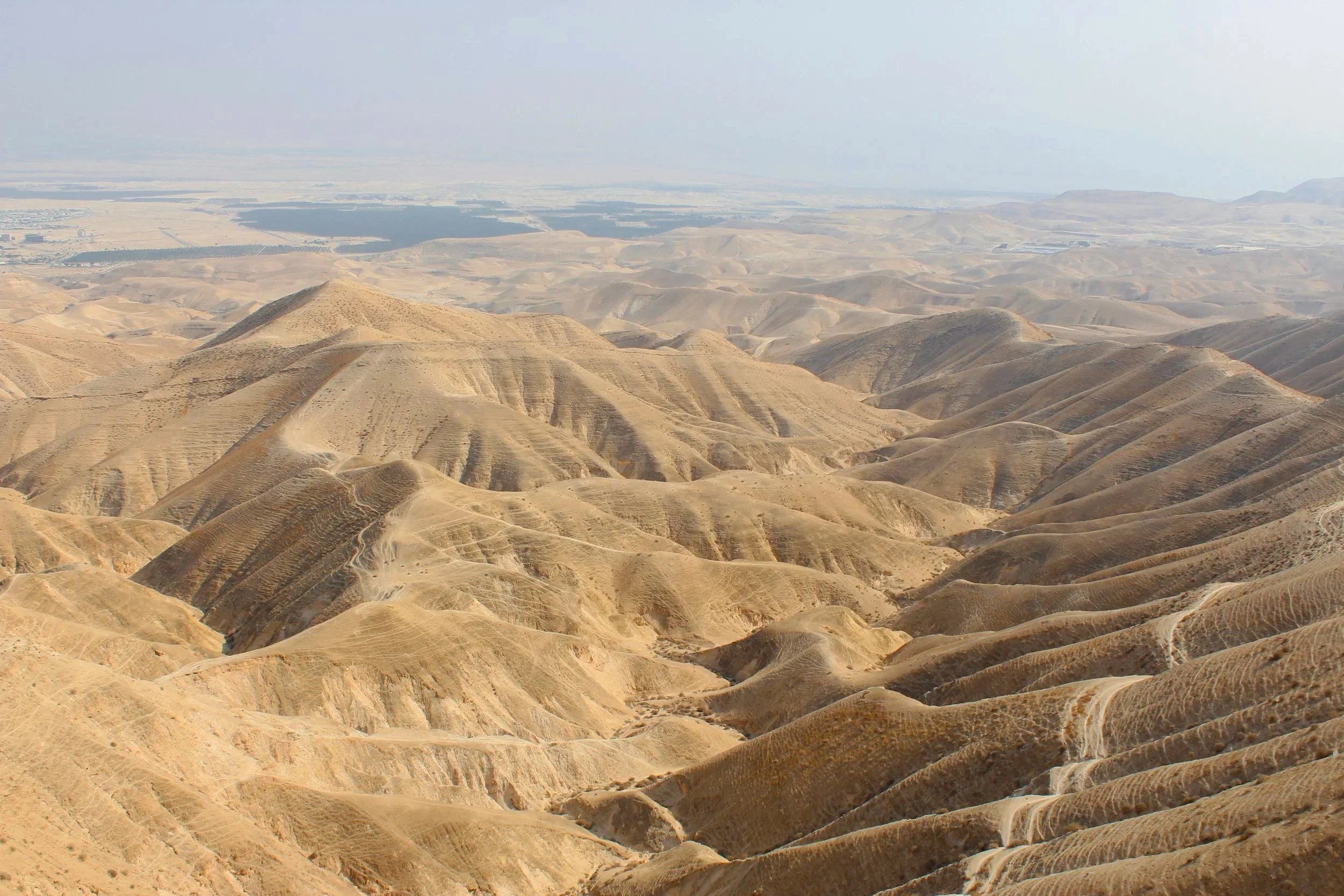
Despite its arid climate and frequent water scarcity, the Jordan Valley has long been prized for its fertile soil and agricultural potential. In antiquity, the river-crossed valley yielded rich soil capable of sustaining flocks, herds and crops. From a distance, especially when viewed from the surrounding highlands, the valley appears lush, expansive and full of promise.
It is precisely this contrast between appearance and reality that lies at the heart of the biblical story explored in this teaching.
Though scholars debate the exact locations of the ancient sites of Sodom and Gomorrah, Scripture places them within the region of the plain of Jordan. When the land became too crowded to support both Abraham’s household and that of his nephew Lot, Abraham offered Lot the first choice of territory.
Genesis records that “Lot lifted his eyes and saw all the plain of Jordan, that it was well-watered everywhere…like the garden of the LORD” (Gen. 13:10a). To Lot, the valley appeared ideal: fertile, prosperous and full of opportunity. He chose the plain and moved east, pitching his tents near Sodom.
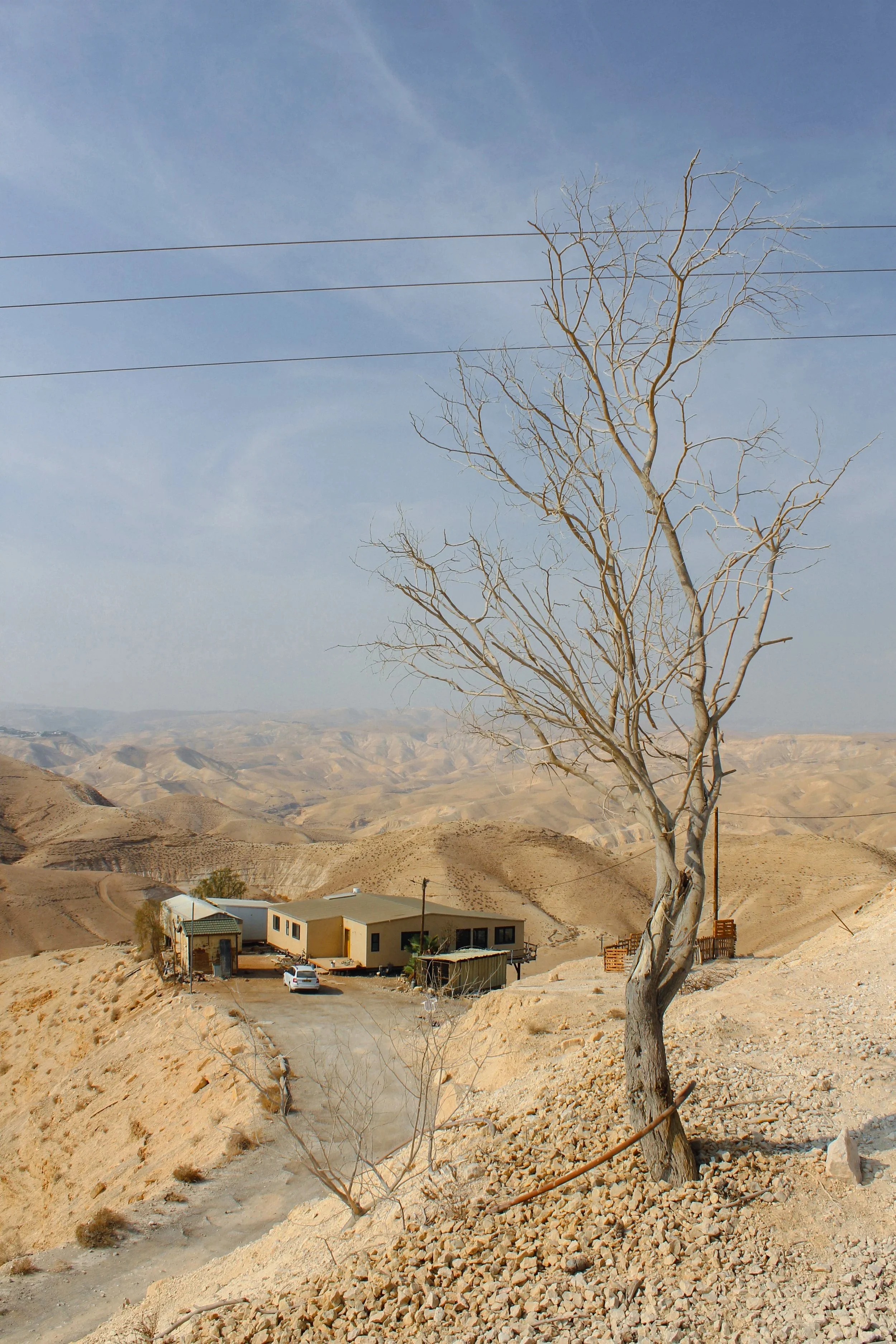
From this vantage point overlooking the Jordan Valley, it is easy to understand Lot’s decision. The lush landscape stretches invitingly below, a visual reminder of how compelling surface appearances can be. Yet Lot’s choice would ultimately lead him into proximity with moral corruption, conflict and eventually devastating loss. What looked like a blessing would come at an immeasurable cost.
Beyond Lot’s story, the Jordan Valley serves as the setting for some of the most pivotal moments in biblical history. It was here that the Israelites crossed the Jordan River and first entered the Promised Land after 40 years in the wilderness (Josh. 3). Nearby, Elijah ascended to heaven (2 Kings 2), and Elisha performed miracles, including instructing Naaman the Syrian to wash in the Jordan River to be healed of his leprosy (2 Kings 5). Centuries later, John the Baptist called Israel to repentance in this region, and Jesus (Yeshua) was baptized in the Jordan River before being led into the wilderness to be tempted (Matt. 3; Luke 4).
Filmed from Mizpe Yericho (“Jericho Lookout”), this teaching invites viewers to reflect not only on the geography of Scripture, but on its enduring moral lessons. Standing above the valley that once captivated Lot’s gaze, Rev. Nathan Williams challenges us to consider our own choices: whether we will pursue what looks appealing in the moment, or trust God’s wisdom, even when His path appears more challenging or less rewarding at first glance. What looks good is not always God’s best.