Southern Israel
Beit Guvrin–Maresha sits in the heart of ancient Judea, nestled in rolling hills. Known in Scripture as Maresha (Josh. 15:44), this region echoes with layers of Israel’s early history. After the death of King Solomon, the kingdom split into two: Israel in the north and Judah in the south. Solomon’s son, King Rehoboam of Judah, fortified Maresha as part of Judah’s defenses (2 Chron. 11:5–8), a sobering reminder of a divided nation and God’s call not to “fight against your brethren” (2 Chron. 11:4). The ancient city later became the home of King Herod, and over time grew into the Roman and Byzantine city of Eleutheropolis.
Today, the national park preserves this long sweep of history: extensive underground networks, Byzantine mosaics, a Roman bath house and a Roman amphitheater where gladiators once battled to entertain Roman soldiers stationed in the land after the Bar Kochba revolt.
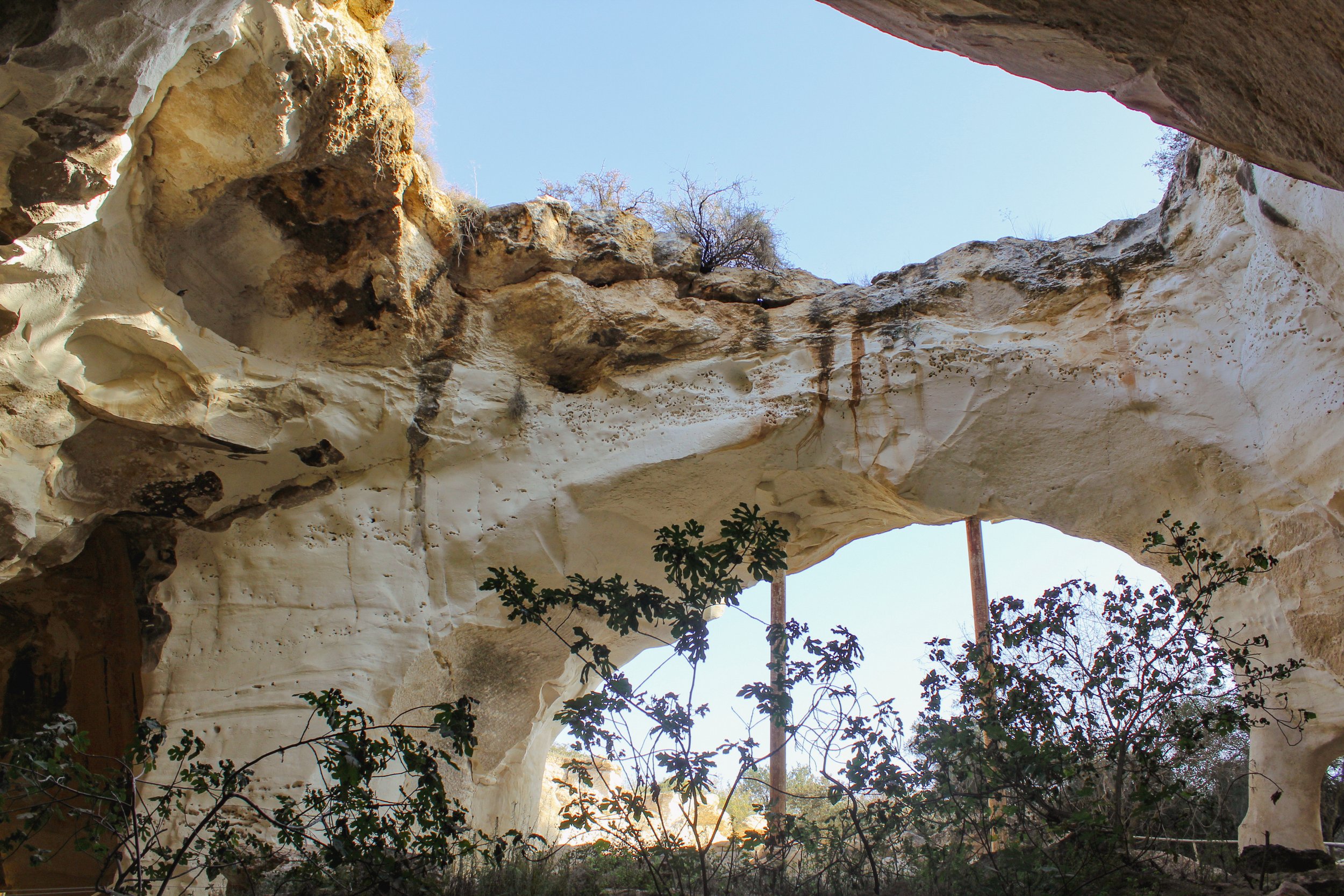
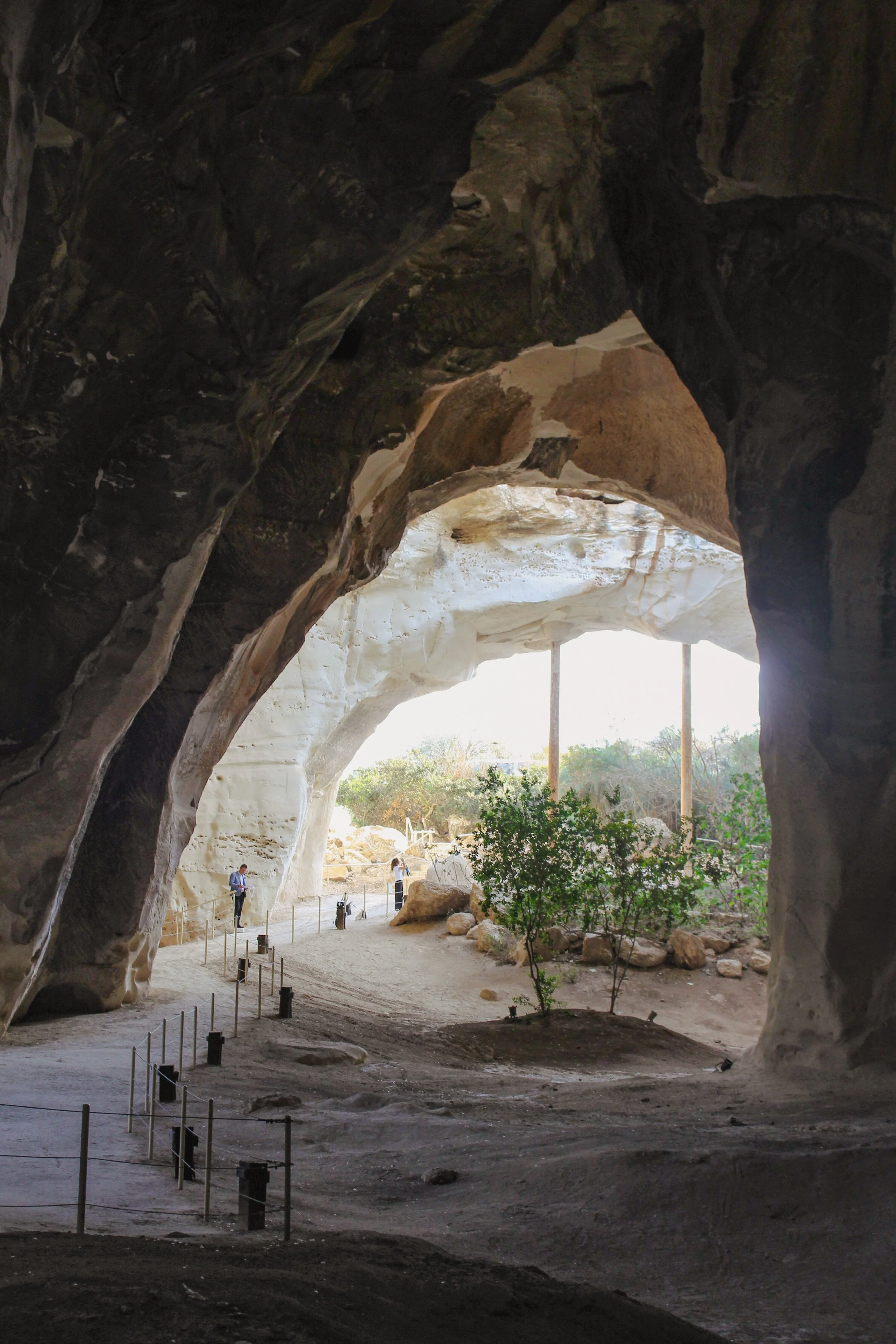
Among its most striking features are the Bell Caves, which are recognized as a UNESCO World Heritage Site. The large, man-made caverns were carved from soft chalk, originally dug during the Arab period for plaster production. Earlier caves served as columbaria, chambers used to raise pigeons for meat and fertilizer. Sunlight spills through circular openings in the ceiling, illuminating smooth white walls shaped by human hands across the centuries. Filming here allowed us to visually echo the message of Genesis 1: God brings light into darkness and forms order out of what seems formless.
Beit Guvrin–Maresha