Valley of Elah
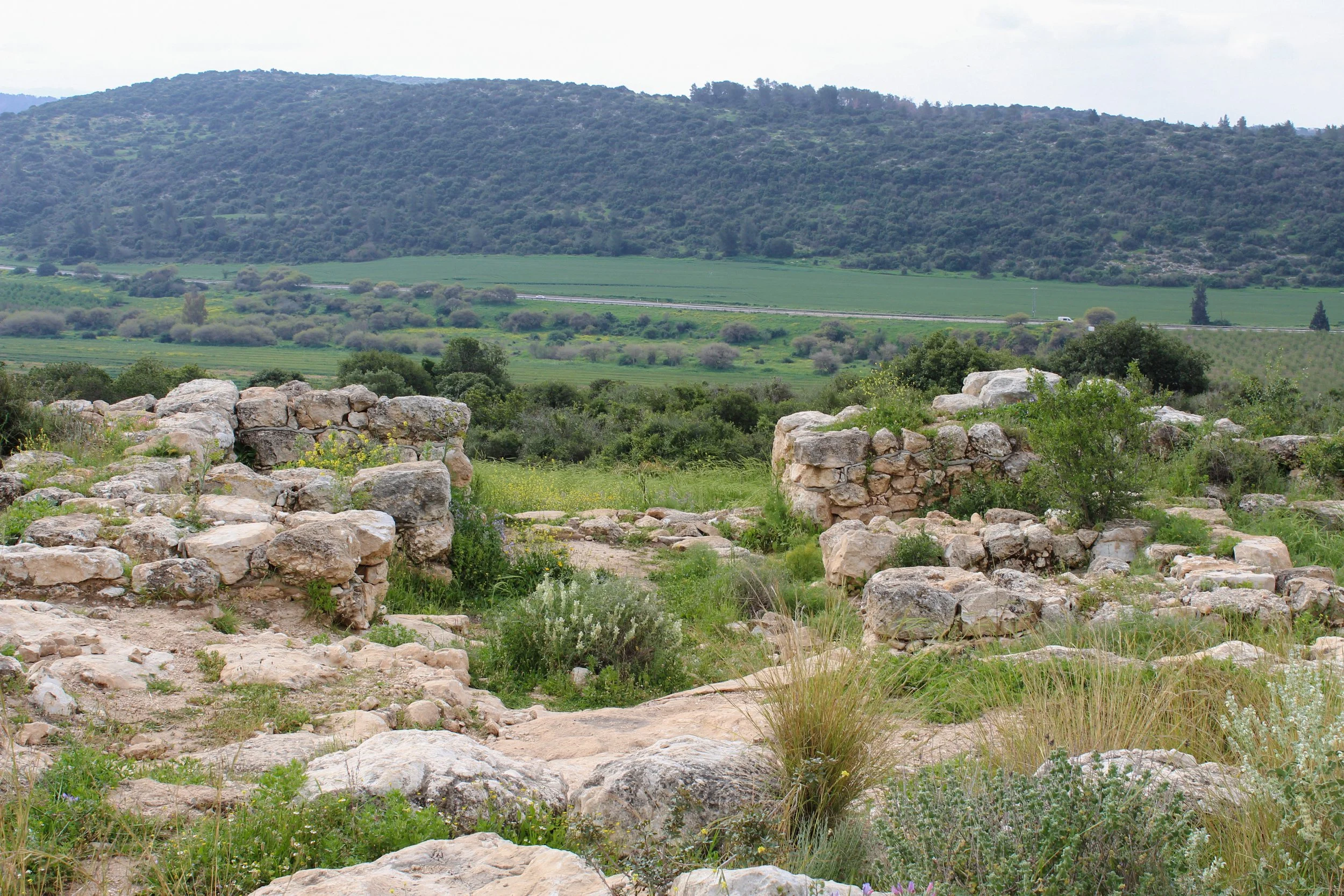
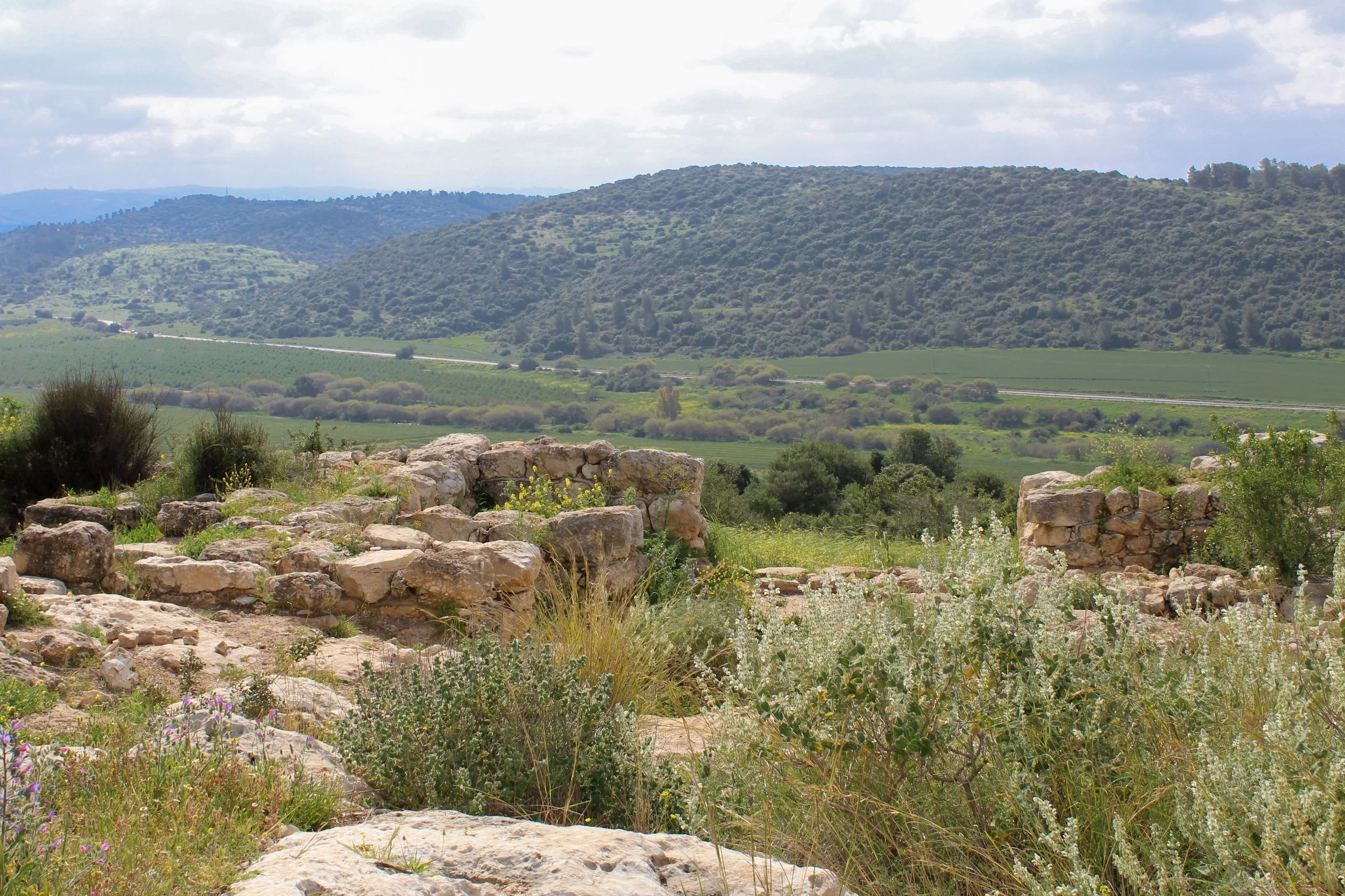
Perched on a hilltop above the Valley of Elah stands Khirbet Qeiyafa, or the Elah Fortress, an archaeological site connected to the early kingdom of Israel. Located about 20 miles (32 km.) southwest of Jerusalem, the fortress stands at the border between the Judean hills and the coastal plain once dominated by the Philistines. Its walls overlook the lush, pastoral valley where the Bible records the battle between David and Goliath.
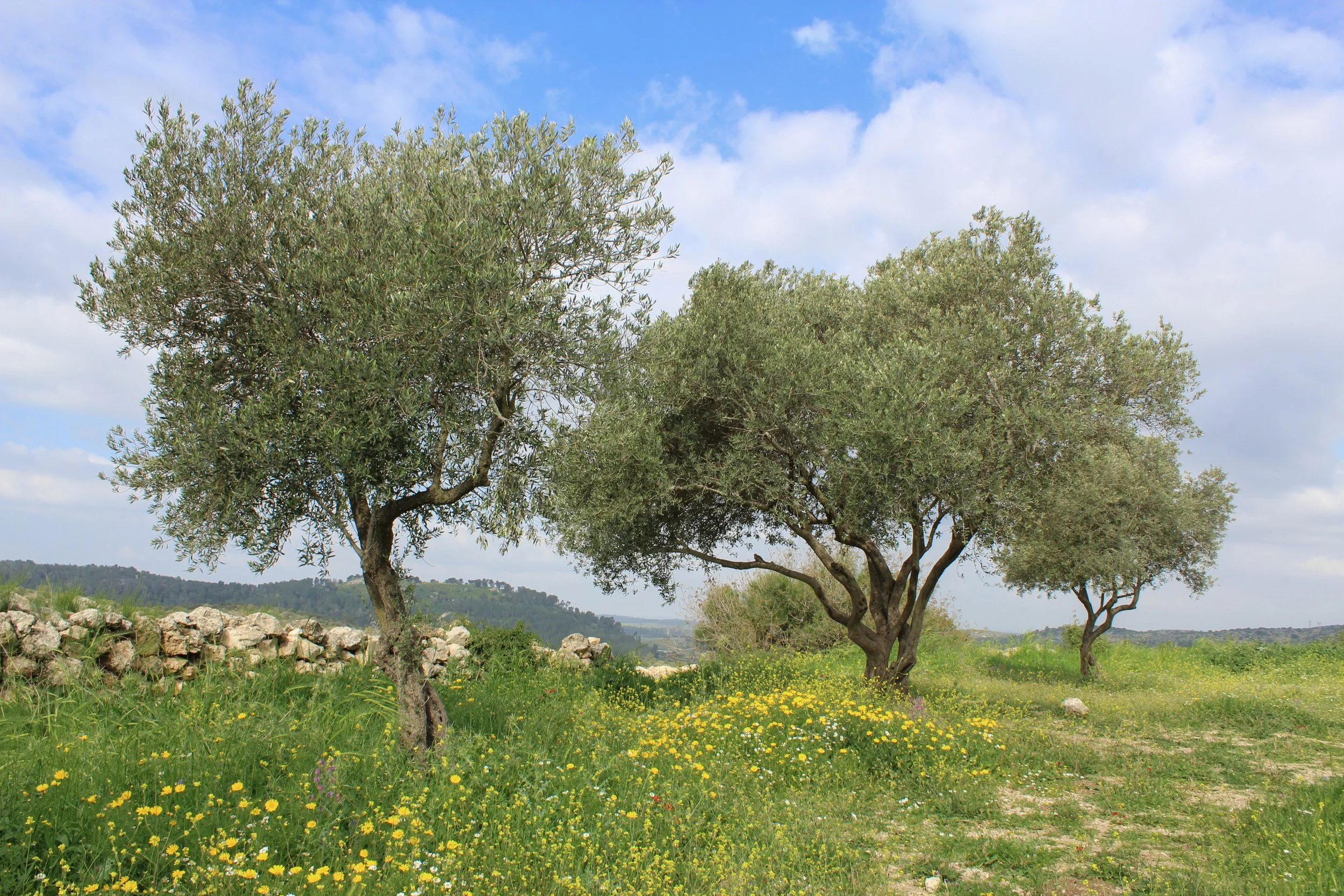
The setting is strikingly beautiful. The Valley of Elah, named for the terebinth or oak trees that dot its slopes, is quiet and green for much of the year. A small stream winds along the valley floor, recalling the brook where David chose five smooth stones before facing the Philistine giant (1 Samuel 17). Looking out across the gentle hillsides, it is easy to imagine a young shepherd leading his flock through the calm landscape.
Yet Khirbet Qeiyafa reminds us that this peaceful valley was also a frontier. In David’s day, this region marked the contested boundary between Israel and Philistia. The fortress was strategically positioned to guard the road leading from the coast to Jerusalem. Whoever controlled this hill controlled the gateway into the heartland of Judah.
For many years, some scholars argued that Israel in the time of Saul and David was too small and disorganized to build a fortified city like this one, claiming it must have been Philistine. But the discoveries at Khirbet Qeiyafa tell a different story. Excavations have uncovered a carefully planned city with massive defensive walls, two large gates and houses built directly into the fortifications. In fact, Khirbet Qeiyafa is the only known city from this period with two gates, leading many archaeologists to identify it with the biblical city of Shaaraim, meaning “two gates” (see 1 Sam. 17:52 and 1 Chron. 4:31).
Other discoveries point to an Israelite rather than Philistine identity. Thousands of animal bones were found at the site, yet none came from pigs, which were commonly eaten in Philistine cities. Archaeologists also discovered an ancient inscription written in an early form of Hebrew, as well as evidence of urban planning unlike that found in neighboring Philistine settlements.
Carbon dating places the city in the time of Saul and David, around 1020–980 BC. In 1 Samuel 17:20, David comes to the Israelite camp before the battle with Goliath. The Hebrew word used for “camp,” magal, can also mean a circular rampart or entrenchment, perhaps describing the very ruins seen at this site today.
Standing among these ancient stones, overlooking the Valley of Elah, visitors encounter a remarkable connection between archaeology and Scripture. Khirbet Qeiyafa stands as a witness to the world of David: a world of shepherds and warriors, faith and conflict, and the beginnings of the kingdom that would one day be centered in Jerusalem.
Khirbet Qeiyafa