Judean Desert
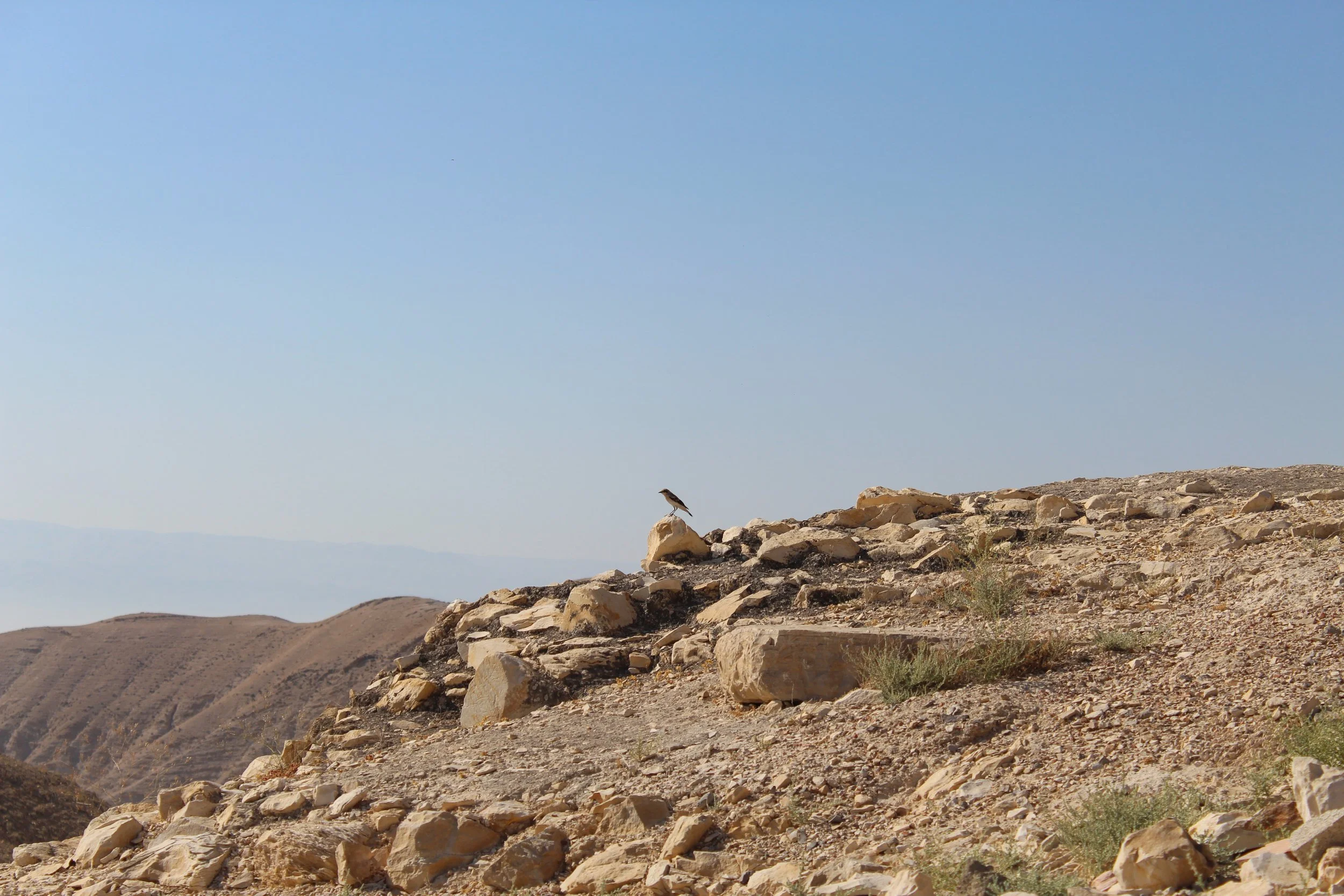
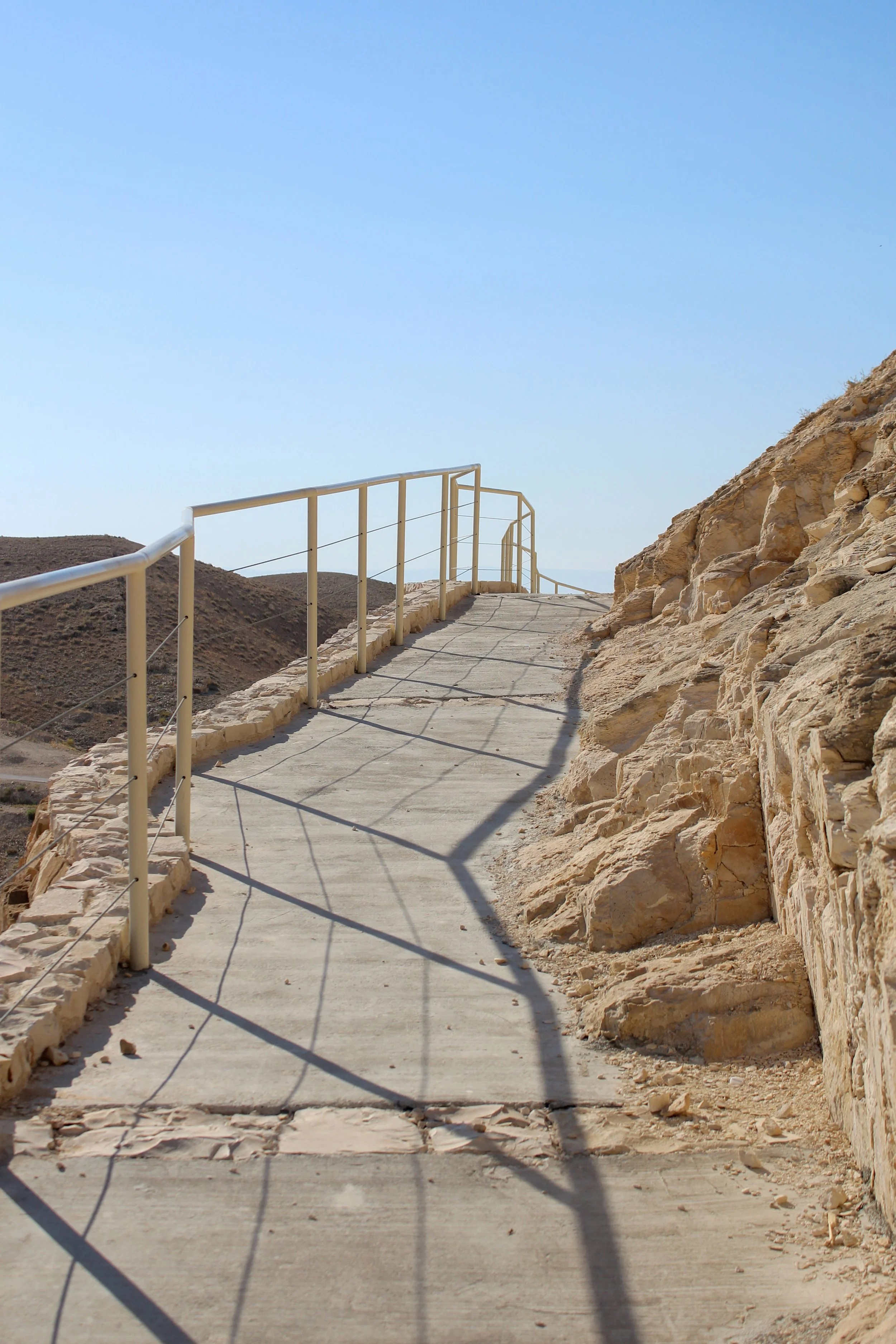
This episode of Ignite the Truth was filmed overlooking Wadi Qelt, a dramatic canyon that cuts through the Judean Desert between Jerusalem and Jericho, about a half hour’s drive from Jerusalem. The term wadi is derived from Arabic, meaning valley or dry riverbed, typically referring to terrain that is parched most of the year but subject to dangerous flash floods in winter. Wadi Qelt is fed by natural springs, and unlike most wadis, it carries flowing water year-round, creating waterfalls and pools amid an otherwise arid, sun-scorched landscape.
In biblical times, pilgrims making the three annual journeys to Jerusalem for the biblical feasts, including those traveling from northern Israel and the Galilee, would descend the Jordan River Valley to Jericho before beginning the grueling ascent through Wadi Qelt. The trek covered roughly 14 to 18 miles (22 to 29 km.) depending on the chosen path, climbing over 3,400 feet (over 1,000 m.) in elevation, through narrow canyon passages with steep slopes. It was hot, exposed and demanding. No wonder the pilgrims sang the Psalms of Ascent to sustain their spirits along the way.
The route carried more than festival pilgrims. This was also likely part of David’s route during his flight from Absalom (2 Samuel 15–16), King Zedekiah’s escape attempt from the Babylonians (2 Kings 25:4) as well as a route that Jesus (Yeshua) Himself would have used to travel between Jericho and Jerusalem. It was almost certainly the setting for Yeshua’s parable of the Good Samaritan (Luke 10: 25–37), the story of a man ambushed by robbers on this very road, a danger entirely believable to anyone familiar with the canyon’s narrow, isolated passages.
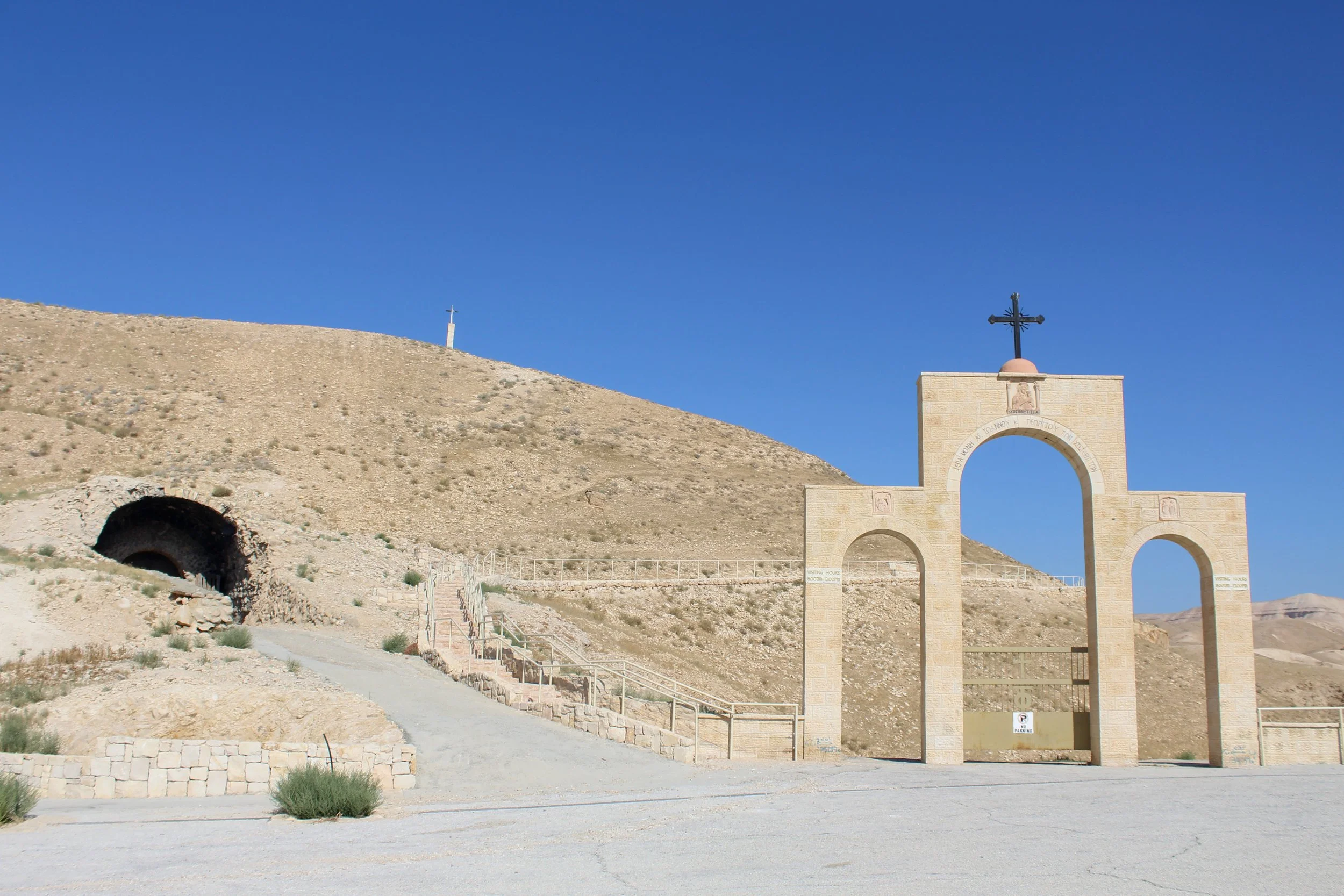
Clinging to the canyon walls above the stream is St. George’s Monastery, one of the most striking sites in the region. First established around AD 500 by John of Thebes, a hermit monk from Egypt, the cliff-hanging Greek Orthodox monastery was destroyed by Persian invaders in AD 614, rebuilt during the Crusader period, abandoned after their defeat and then painstakingly restored by Greek monks in the late 19th century. It remains inhabited by monks to this day.
Wadi Qelt is also believed by some to be the “valley of the shadow of death” mentioned in Psalm 23, though this is based on tradition rather than established fact.
As Terry Mason reflects in this episode, standing at Wadi Qelt connects us to generations of pilgrims who made this climb with sore feet and singing hearts, leaning on the words of the Psalms of Ascent to carry them upward. The landscape hasn’t changed much, and neither has the need for the songs of encouragement.
Wadi Qelt