

What’s with all the Do’s and Don’ts in Leviticus?
What’s with all the Do’s and Don’ts in Leviticus?
Step into the heart of the wilderness where heaven once touched earth. Filmed in the Mishkan, the replica of the Tabernacle in the desert, explore the meaning of holiness, the purpose behind what seems like endless laws in Leviticus, how God’s presence reshaped Israel’s daily lives and ultimately, what it all means for us today. From the Mishkan to Jesus, discover what it means to live transformed by God’s holy presence every day.
Click on the image to watch the video
The Tabernacle (Mishkan)
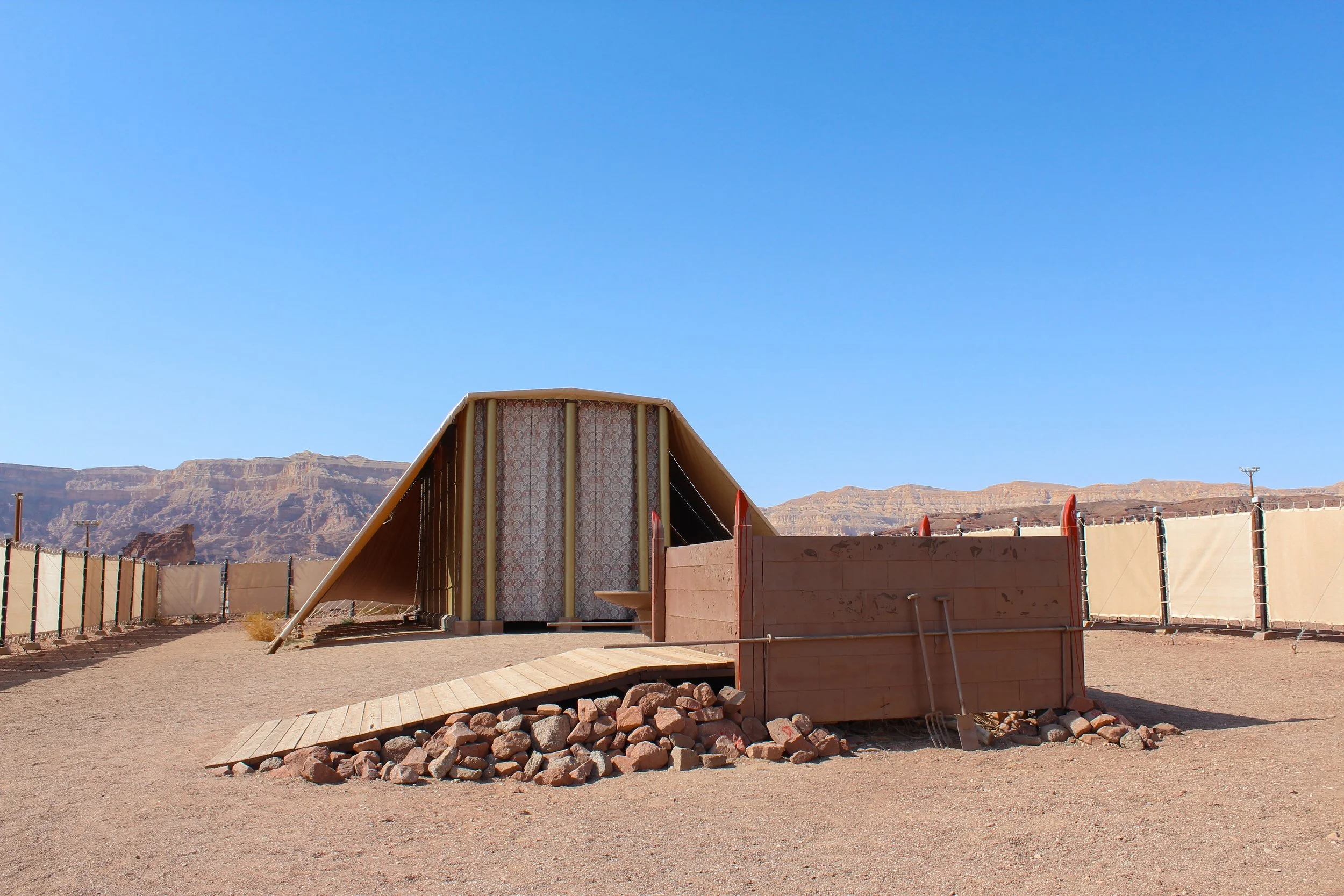
Filmed in the breathtaking wilderness of southern Israel, this week’s Ignite the Truth teaching takes place in Timna Park, a vast desert valley located approximately 18 miles (30 km.) north of Eilat in the heart of the Negev. Covering nearly 15,000 acres and framed by dramatic red sandstone cliffs and rugged mountains, Timna is a place where history, Scripture and natural beauty come together in striking ways.
Timna Valley is renowned for its ancient copper mines, among the earliest known in the world. Archaeological evidence reveals that copper was mined and smelted here as far back as the time of ancient Egypt and continued through the biblical period and beyond. Remnants of mining shafts, slag from early smelting operations and rock carvings from Egyptian to Roman times remain scattered throughout the park. While once popularly linked to “Solomon’s Mines,” modern archaeology shows that copper production likely continued during Solomon’s reign, though no direct evidence connects the mines specifically to him. Nevertheless, the valley’s role in the ancient world was significant, as copper was essential for tools, weapons and sacred objects, including elements of the Mishkan or Tabernacle in the Wilderness.
