More Than History: The Heart of Chronicles
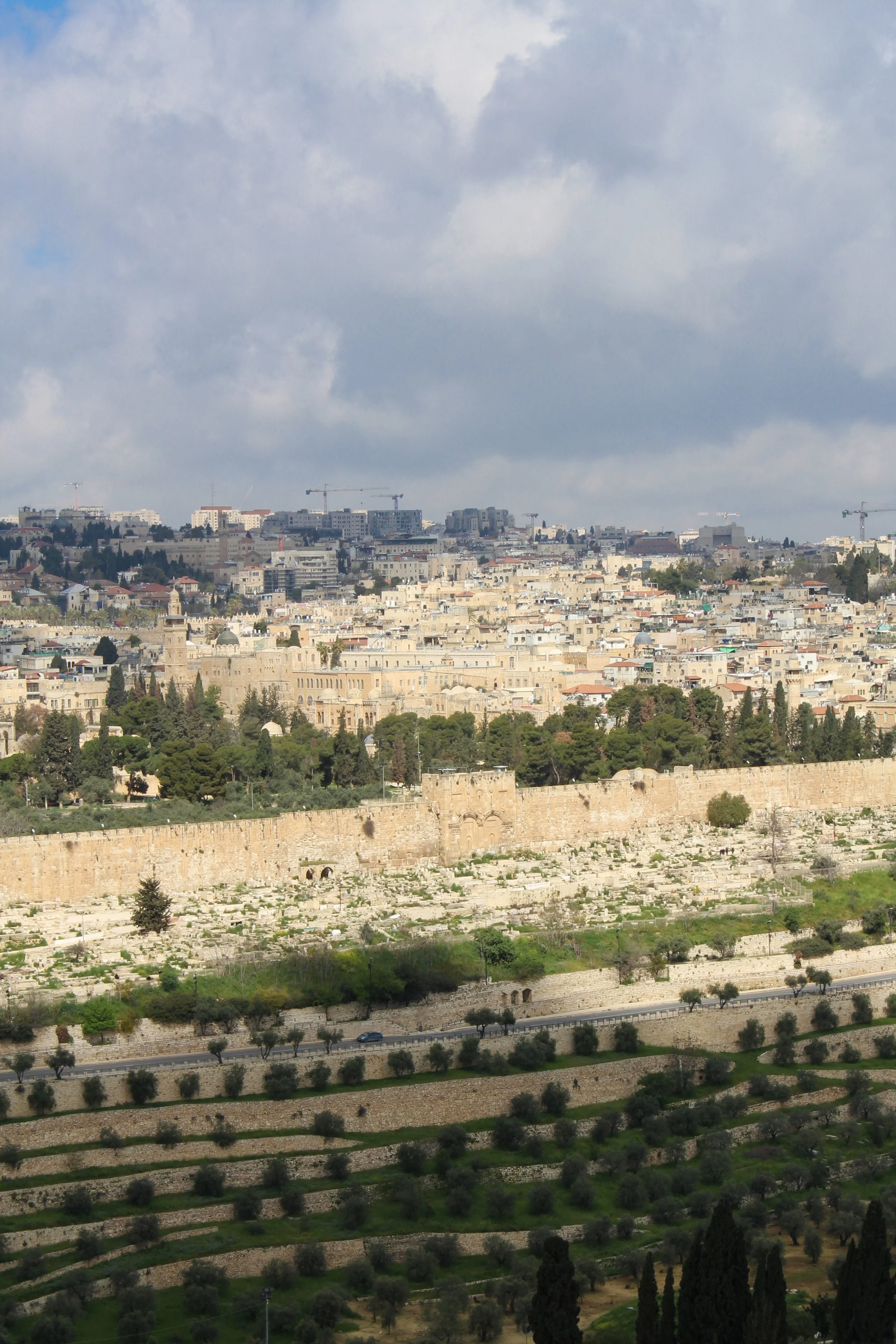
Filmed on the Mount of Olives overlooking Jerusalem’s Old City and the Temple Mount, this episode dives into the history of the Temple, from its foundation under King Solomon to its prophetic future. More than just a historical site, the Temple reveals God’s desire to dwell among His people and to draw all nations to Himself. In this powerful teaching, Bridges for Peace International President and CEO Peter Fast connects the past to the future, showing how this sacred place points to a coming day when the world will gather in worship of the King.
(Click on the image below to view the teaching.)
The painting “Opening a New Land of Israel” at 07:17 was created by artist Yehoshua Wiseman.
(To view or purchase his work, visit his website www.yehoshuawiseman.com)
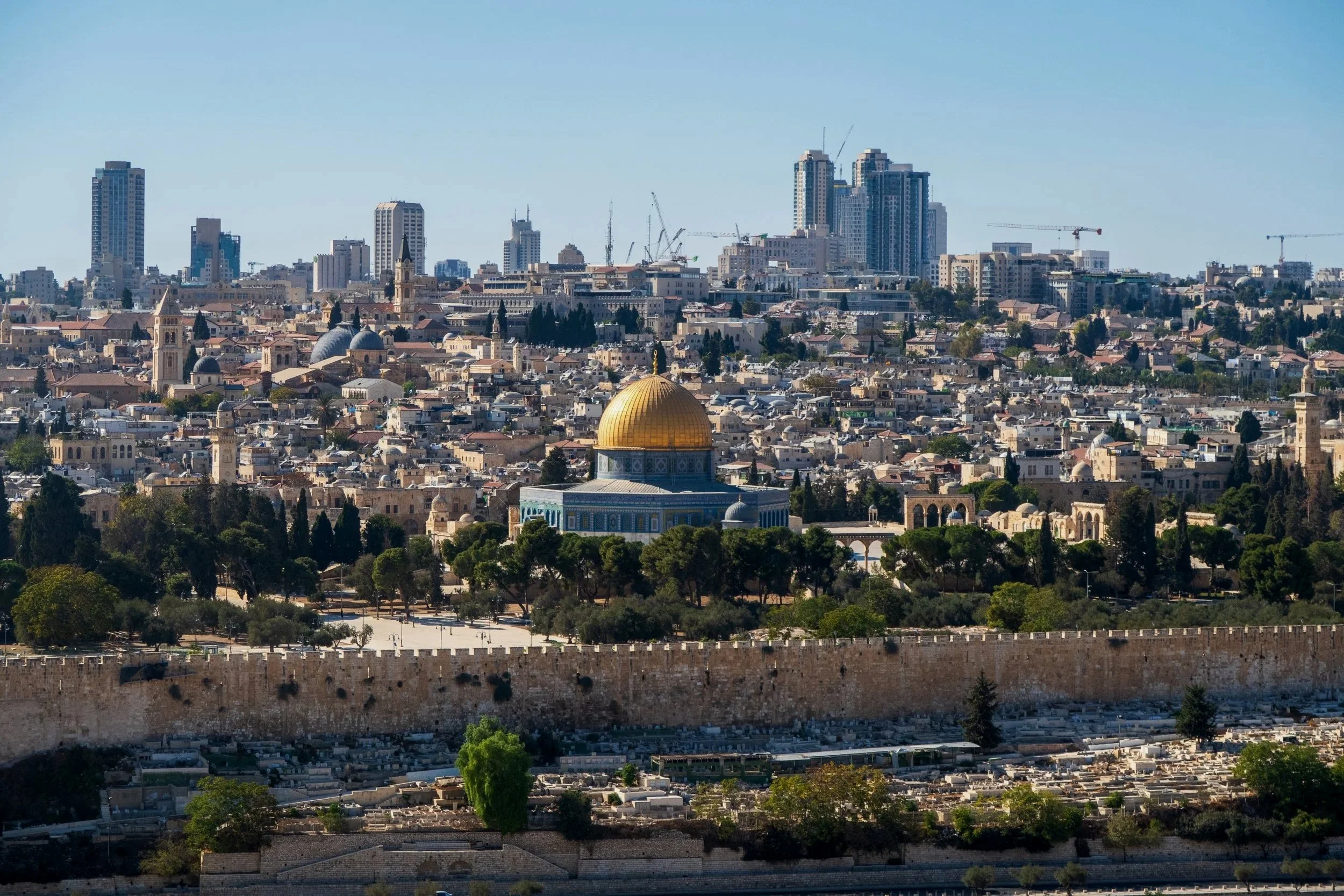
The Mount of Olives
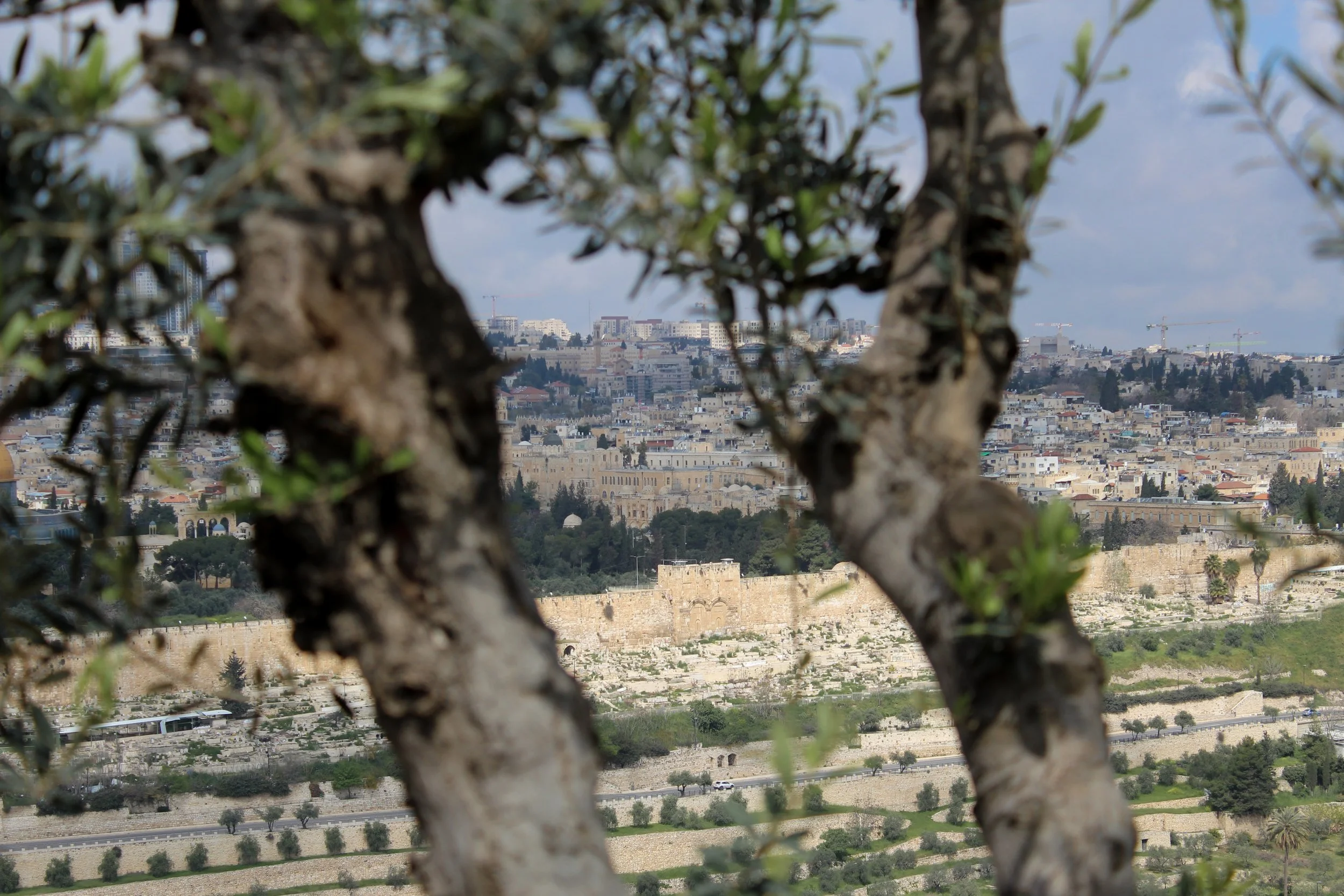
Filmed on the Mount of Olives, this teaching unfolds from one of the most significant vantage points in all of Scripture. It was here that King David wept as he fled Jerusalem from his rebellious son, Absalom (2 Samuel 15:30); here that Jesus wept over the city as He descended the Mount (Luke 13:34–35); and here where He later ascended to heaven, with the promise that He will one day return to this very place (Acts 1:9–12; Zechariah 14:4).
For thousands of years, the Mount of Olives has marked a significant landmark for pilgrims traveling to Jerusalem via the Jordan Valley road. It was upon their first view of this mount that weary travelers knew their destination was within reach. Today, their ancient path is paved over with a winding road leading down the steep mount, tracing the footsteps of generations who streamed into the city to draw near to God.
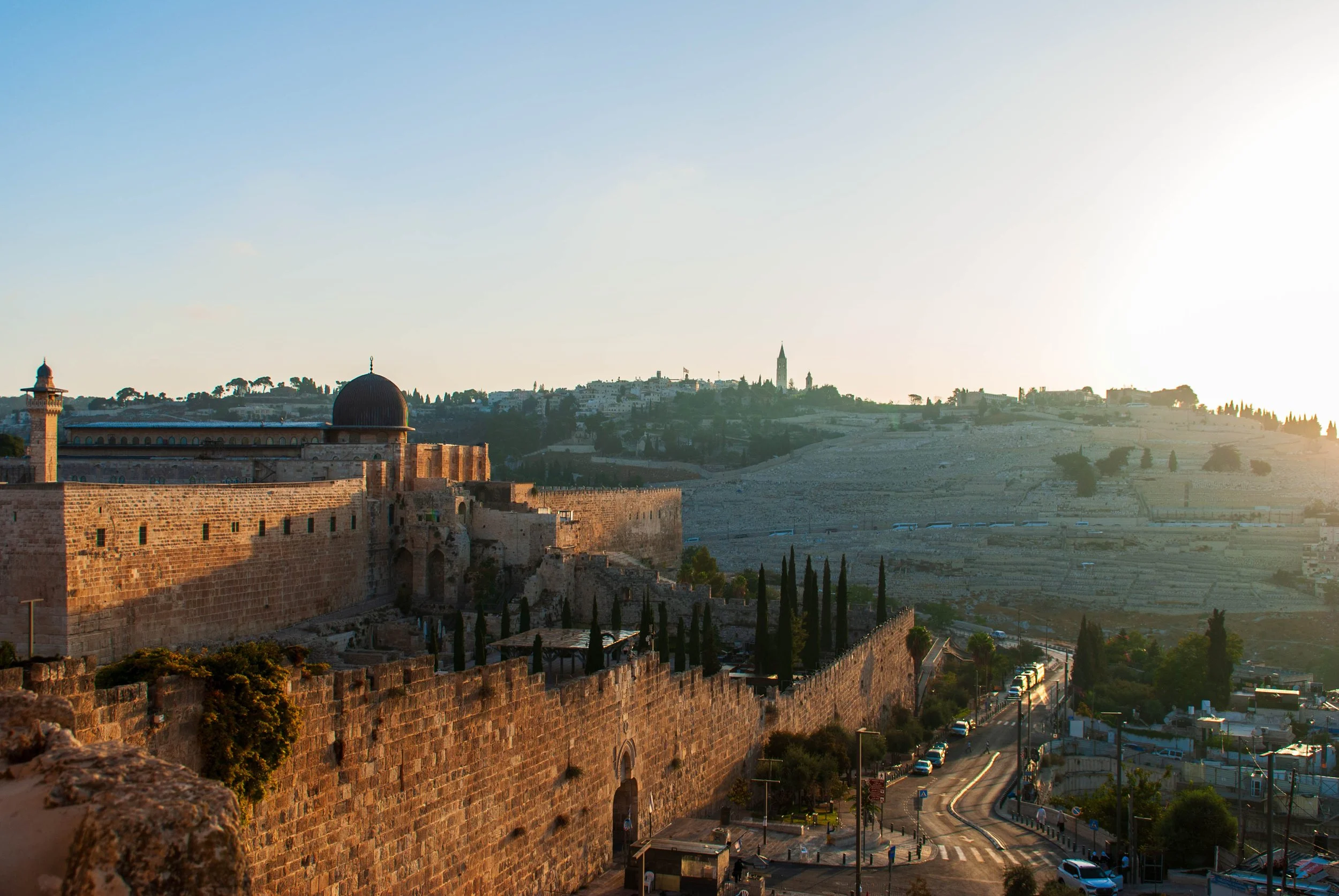
From this historic vantage point, the Old City of Jerusalem stretches out below, drawing the eye to the Temple Mount, the sacred site where the First and Second Temples once stood. This is Mount Moriah, where Abraham was tested (Genesis 22), and where Solomon later built a house dedicated to the name of the Lord (2 Chronicles 6–7). Expanded by Herod the Great and still marked today by the Western Wall, this site remains central to Jewish faith and identity.
Known in Hebrew as HaKotel (“the Wall”), it is the most sacred accessible remnant of the Temple complex. For centuries, Jewish people were denied access to this holy site or permitted only rare visits, giving rise to its former name, the “Wailing Wall.” Today it stands as a symbol of enduring hope and expectation.
Together, the Mount of Olives and the Temple Mount form a powerful testimony to God’s past, present and future redemptive story. They remind us of His desire to dwell among His people (Exodus 25:8), His faithfulness to His covenant with Israel and her people, and His plan to draw all nations to Himself. As the prophets foretold, a day is coming when the King will return, Jerusalem will be restored and the world will gather to worship Him (Isaiah 2:2–4; Zechariah 14:16).
Standing here on the Mount of Olives, where David and Jesus each wept, and overlooking the splendid view of the Old City and the Temple Mount, one cannot help but be overwhelmed by the rich history of this place. This is where the Jewish people have gathered to worship for thousands of years—and where, according to Scripture, the whole world will one day gather to glorify the King of kings.