Faith That Endures the Fire
In this moving teaching filmed in Efrat, Rabbi Leo Dee unpacks the story of Nadab and Abihu and the significance of Aaron’s silence following their deaths in Leviticus 10. Drawing from his own experience with unspeakable tragedy, Rabbi Dee shares his powerful principles for healing, resilience and restoring faith. Set in the quiet hills of Judea, this message reminds us that even in our deepest loss, God’s presence remains—and His hope endures.
(Click on the image below to view the teaching.)

Efrat
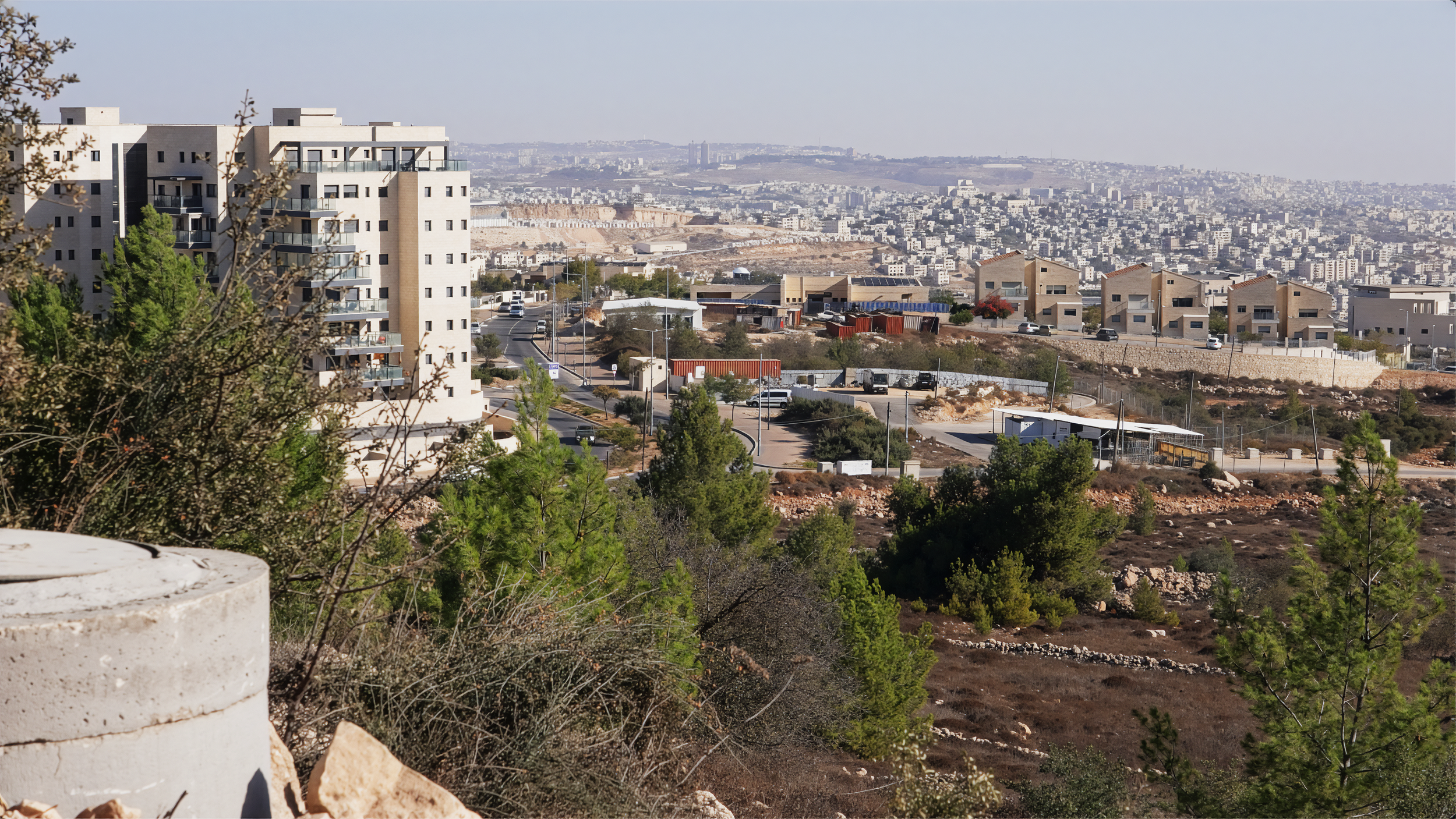
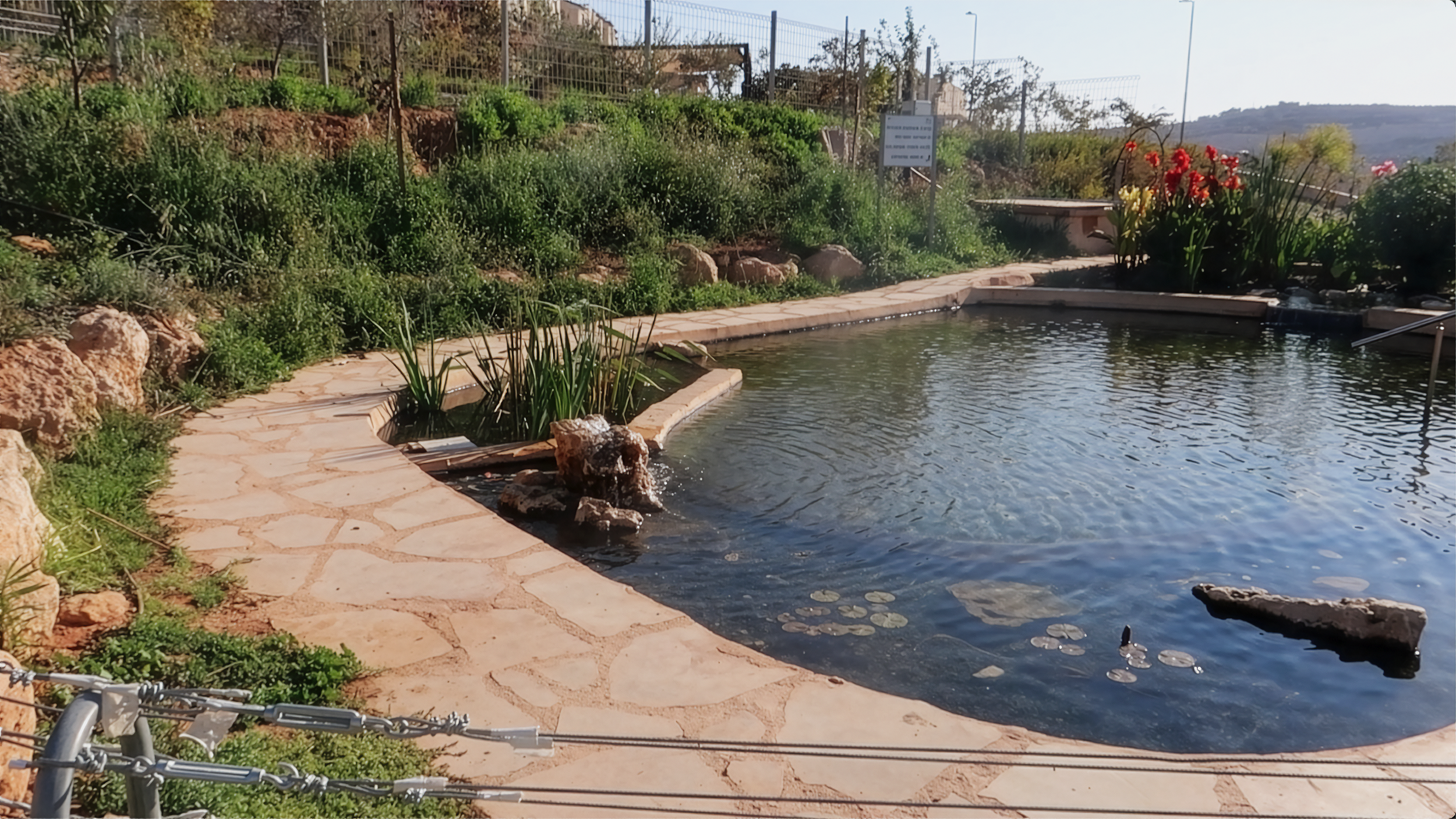
Efrat is a vibrant community in the Judean Hills and one of 22 Israeli villages that make up Gush Etzion, or the Etzion Bloc, located approximately 6.2 miles (10 km.) south of Jerusalem. Efrat lies near Bethlehem—known in biblical times as Ephrath (Gen. 35:19)—and is home to a close-knit population drawn to the biblical heartland of Judea.
The biblical story explored in this teaching takes us back to Israel’s wilderness journey and the tragic account of Nadab and Abihu, the sons of Aaron, recorded in Leviticus 10. When Aaron’s sons offered “strange fire” before the Lord, fire came forth from God and consumed them. In the wake of unimaginable loss, Israel’s high priest responded in a way that has echoed through history: “Aaron remained silent” (Lev. 10:3b NIV). His profound silence became a model of reverent awe and trust in God, even when His ways are beyond human understanding.
Though geographically distant from the Tabernacle in the wilderness, Efrat sits in a land spiritually connected to these ancient events. It lies in the heart of Gush Etzion, a region deeply marked by both tragedy and resilience. Jewish communities were first established here in the 1920s on legally purchased land, including Kfar Etzion. During Israel’s War of Independence, Kfar Etzion became the site of one of modern Jewish history’s most heroic and heartbreaking episodes. In their push to capture Jerusalem, the Jordanian army overran Kfar Etzion’s defenders, murdering 240 pioneers and taking 260 prisoner.