Never Again Uprooted
Rabbi Tuly Weisz
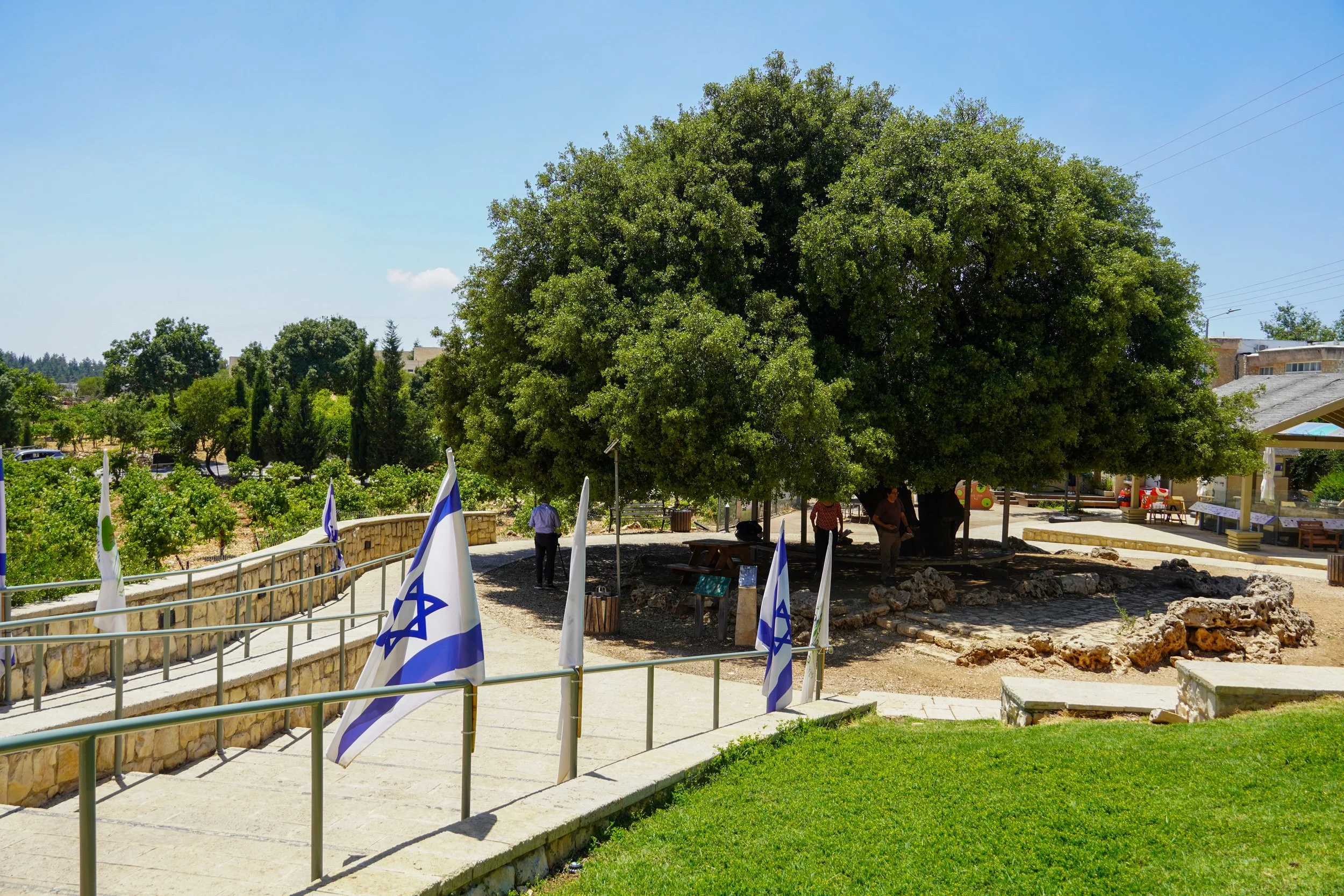
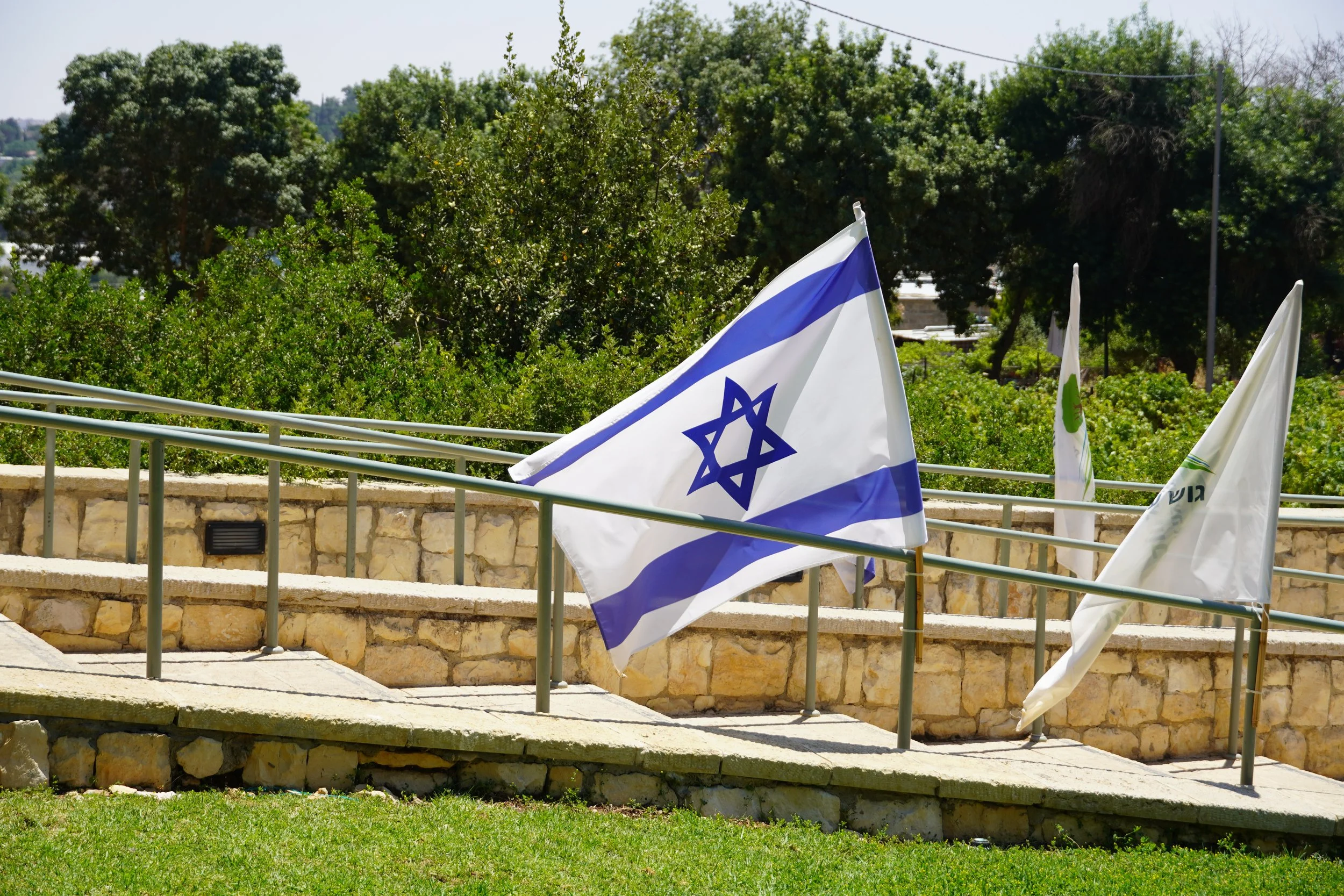
A single, ancient oak, standing tall and strong since before Israel was a state.
This tree witnessed the massacre of Gush Etzion in 1948. For 19 years, survivors—banned from the biblical heartland—gazed at it from a distant hilltop, telling their children: “That’s home.”
Then came 1967, and the promise of Amos 9:15 came full circle.
Join us at the Lone Oak Tree, where an ancient promise still stands, rooted and unshaken.
(Click on the image below to view the teaching.)
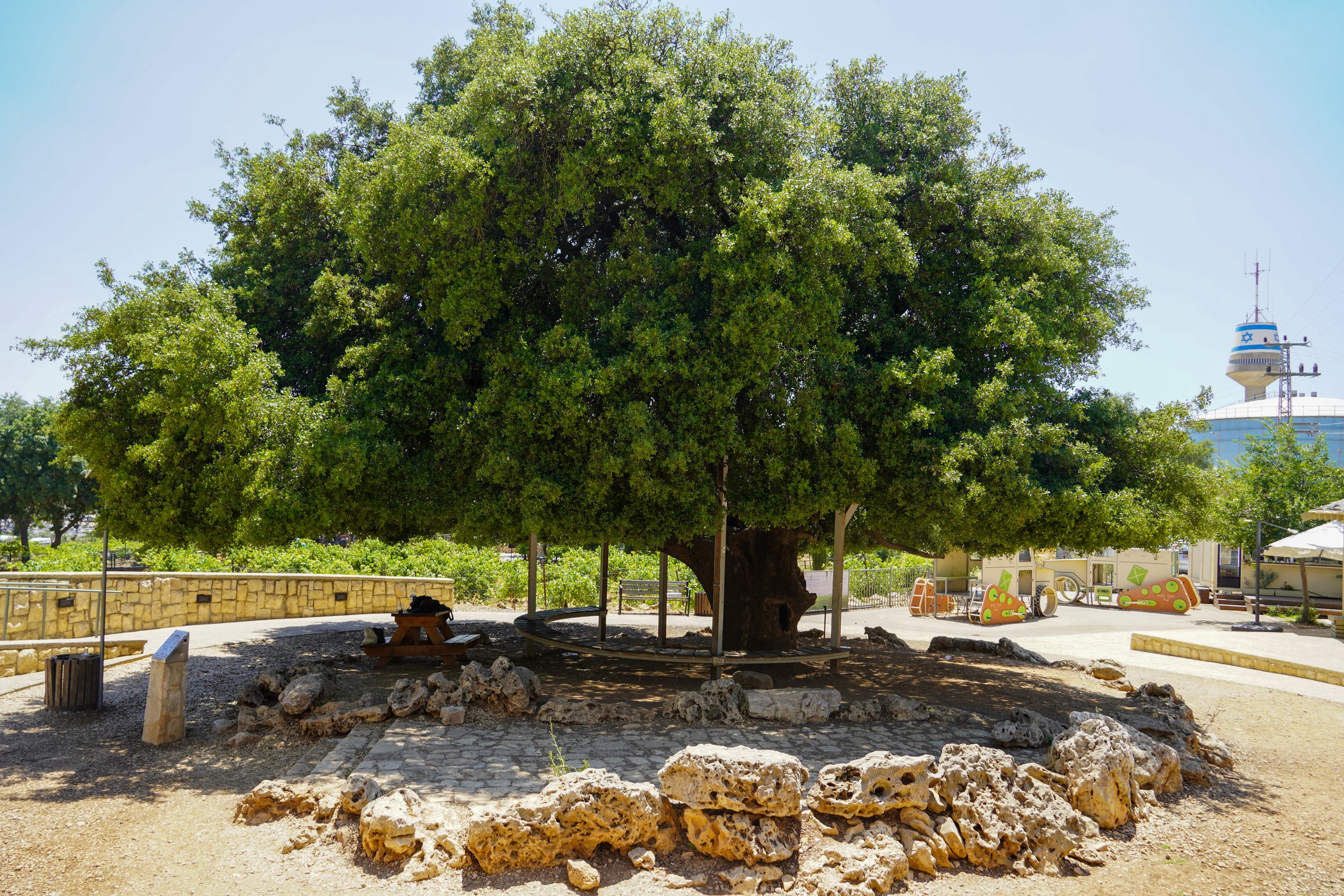
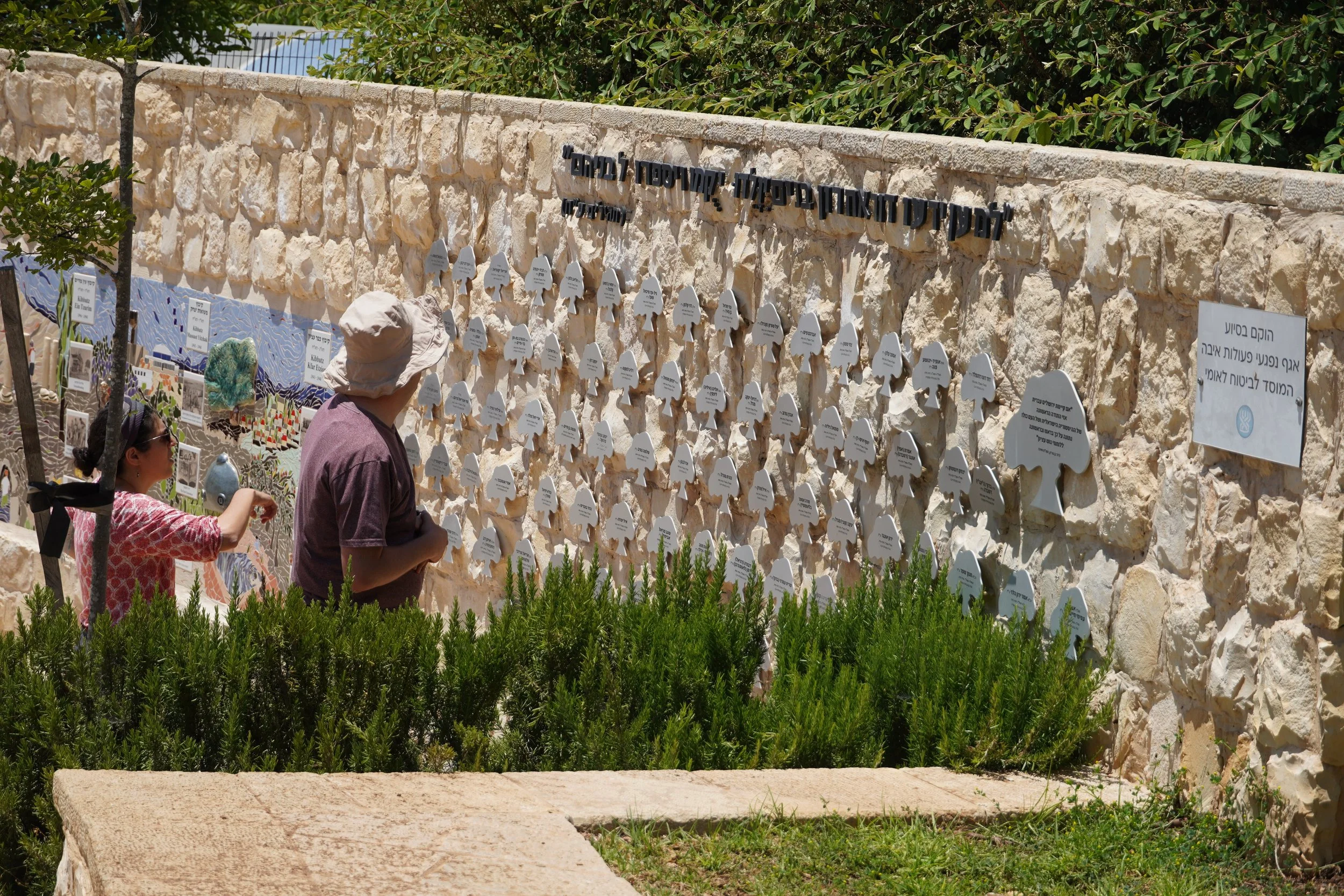
The Lone Oak Tree, Gush Etzion
Some trees simply grow. Others bear witness.
Standing at a crossroads in the Judean Hills, just south of Jerusalem, the Lone Oak of Gush Etzion has done both for nearly eight centuries. Estimated to be between 700 and 800 years old, this solitary oak predates the modern State of Israel by centuries and outlasted one of the most harrowing chapters in its founding.
Gush Etzion is a cluster of Jewish communities rooted in some of the most ancient soil in the Land of Israel. The Path of the Patriarchs, believed to follow the route walked by Abraham, Isaac and Jacob, runs through this very region. The Gush Etzion soil holds the blood, sweat and tears of Jewish pioneers who began resettling here—where their fathers once walked—as early as 1927, and by the mid-1940s, four agricultural kibbutzim (collective communities) had taken root.
Then came the war.
Following the United Nations’ 1947 Partition Plan, which the Jewish leadership accepted and Arab leaders rejected, Gush Etzion came under siege. Its position on the main road between Jerusalem and Hebron made it strategically vital—and a target. In January 1948, 35 members of the Haganah, Israel’s underground paramilitary organization that eventually became the Israel Defense Forces (IDF), were killed by Arab forces while attempting to resupply the bloc. Families evacuated their women and children to Jerusalem.
The men and women who remained held out for months against overwhelming Arab and Jordanian forces. On May 12, 1948, two days before Israel declared statehood, the bloc fell. Most of those captured were massacred, and only four survived.
In the aftermath, the Arabs destroyed the buildings and uprooted every tree in the area—except one.
The Lone Oak remained.
For nearly two decades during which Gush Etzion was under Jordanian control, the widows and children of the fallen would gather on a hilltop in Jerusalem and gaze southward. From there, they could just make out the silhouette of that solitary tree standing at the crossroads where their homes had been. It became a symbol, not only of what was lost, but of the unbroken desire to return.
That return came in 1967, when Israel regained control of the region during the Six Day War. The children of Gush Etzion petitioned the government to go back and were granted permission. Kfar Etzion became the first Jewish community rebuilt over the Green Line (the 1949 armistice boundary) after 1967—rebuilt, not “settled,” as anti-Israel critics claim.
Today, Gush Etzion is home to more than 22 communities and over 70,000 residents. The Lone Oak no longer stands alone. But it still stands.
In a land where history is never merely history, this ancient tree invites reflection on roots that go deeper than any war can reach, and on the enduring human longing to come home.