The Song of the First Sabbath
David Nekrutman
Adam committed the sin. He knew he was guilty. The punishment was just, the execution deserved. But instead of judgment, mercy came. And from that mercy, a song was born in Adam's heart: the song of the first Shabbat.
Standing at the Cave of the Patriarchs and Matriarchs in Hebron, we open Psalm 92 and find exactly that: a song of survival composed in the shadow of a death sentence that mercy swallowed whole. The message has not aged a day. Every breath is a gift. Every Shabbat is another mercy, another opportunity to sing along with Adam from Psalm 92.
(Click on the image below to view the teaching.)
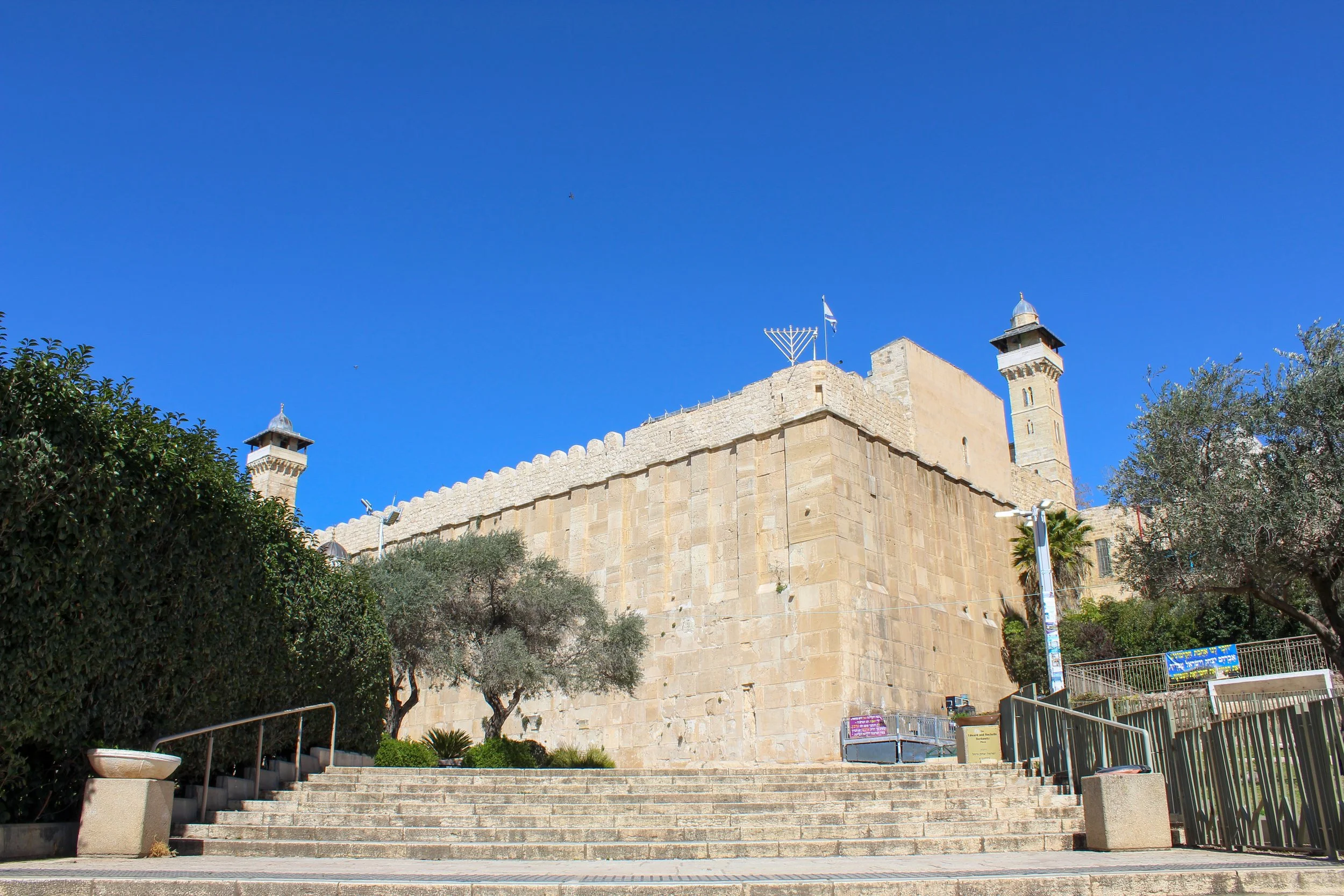
The Cave of the Patriarchs
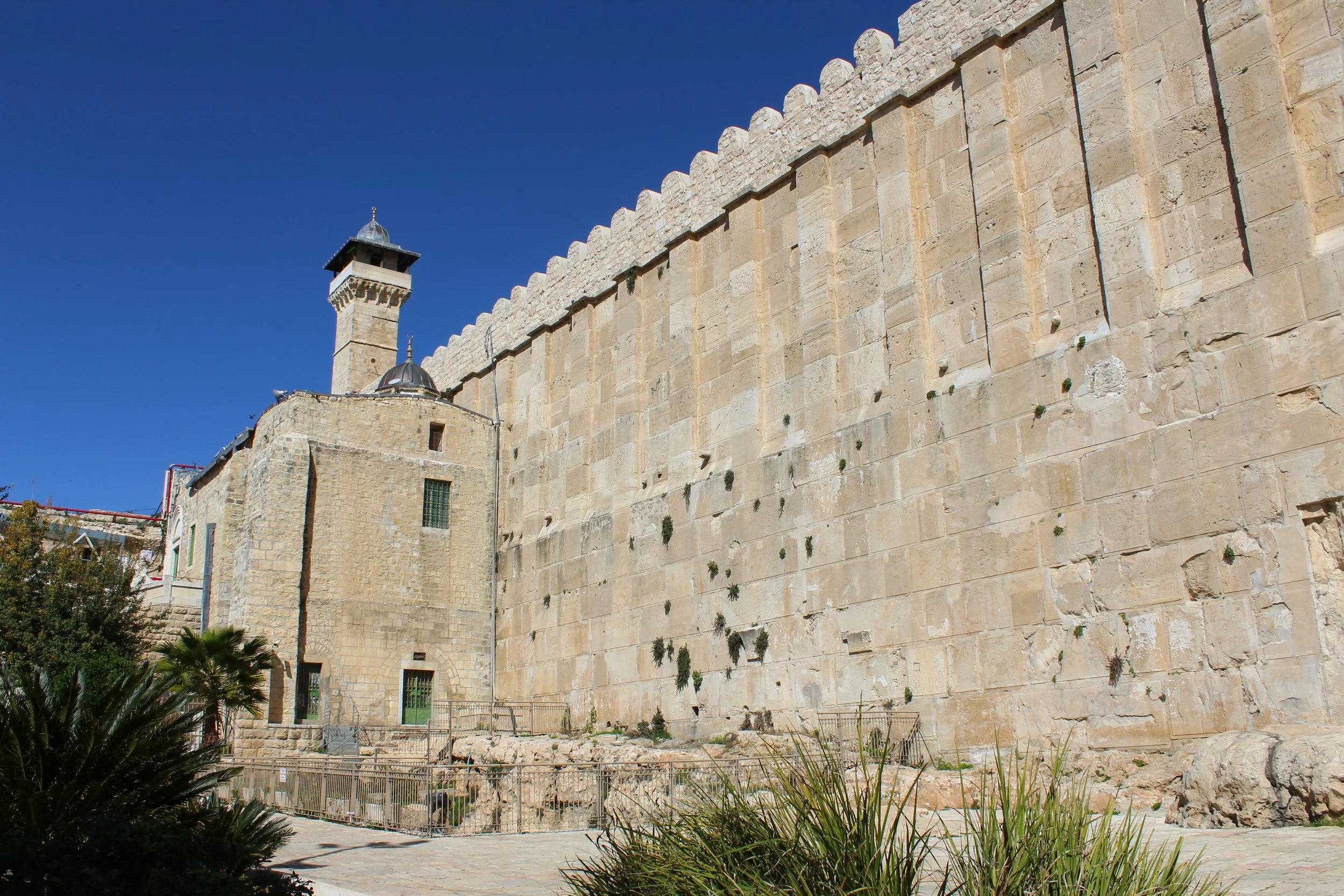
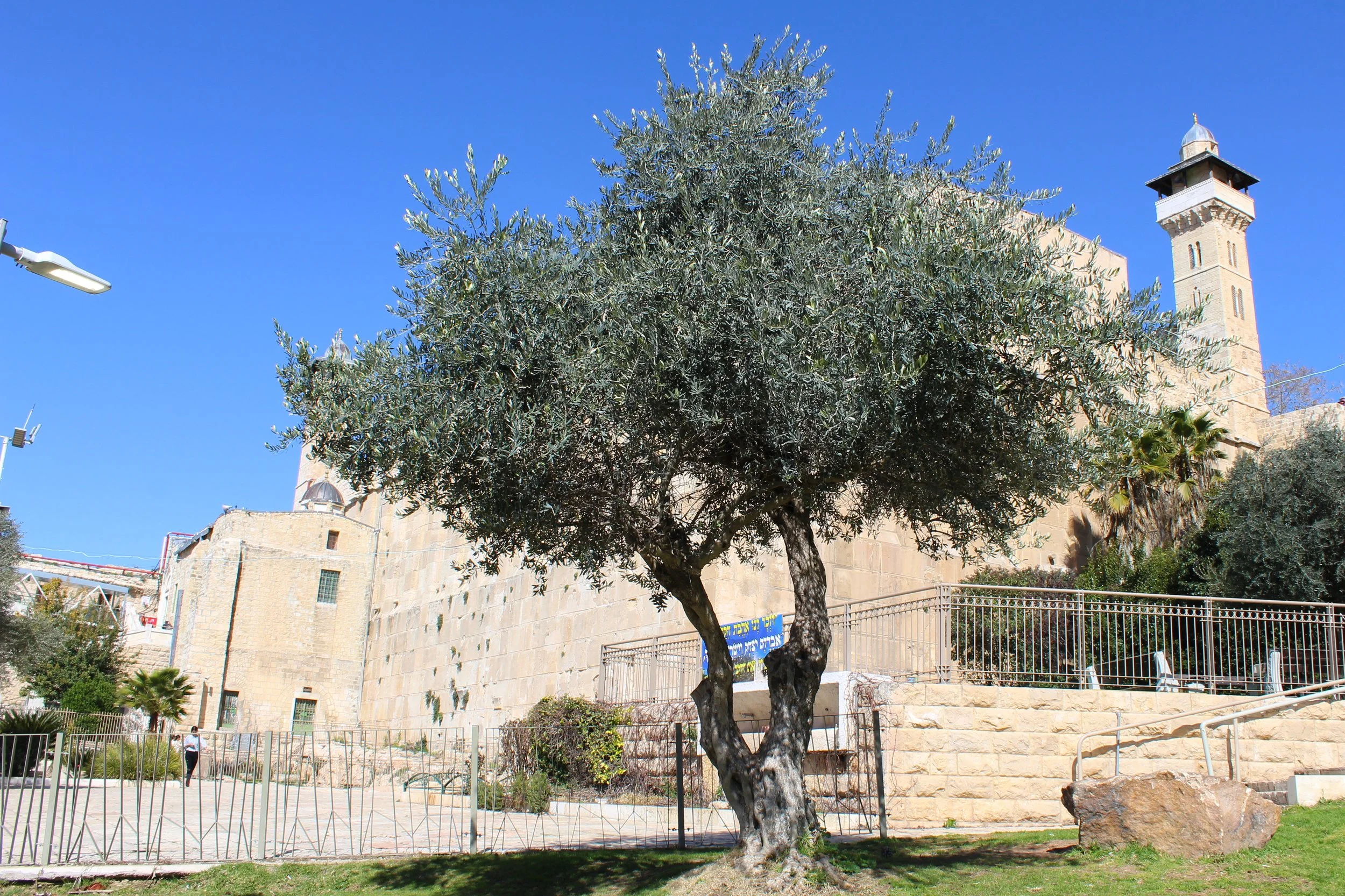
This episode of Ignite the Truth was filmed at the Cave of the Patriarchs and Matriarchs, or the Cave of Machpelah, located in the city of Hebron. This is the burial site of Abraham and Sarah, Isaac and Rebecca, and Jacob and Leah: the founding fathers and mothers of the Jewish people. According to Jewish tradition, it is also the resting place of Adam and Eve.
The name Machpelah means “doubled” in Hebrew, a reference either to the four couples buried here, or to the double-layered structure of the cave itself.
The Cave of Machpelah holds deep significance for all three Abrahamic faiths. For Jews, it is the second holiest site in the world, after the Temple Mount. Abraham purchased the cave some 3,700 years ago, making it the first piece of land in the Holy Land to become the legal possession of the Jewish people (Genesis 23), and his descendants were buried here after him (Gen. 50:12–14).
The large stone structure above the cave was built by King Herod and is the only fully intact Herodian building still standing and fulfilling its original purpose. The cave itself has been inaccessible since around the 1490s.
Hebron’s Jewish history stretches back to the time of the Israelite conquest of Canaan, when the city was given to Caleb as his inheritance (Josh. 14:6–15), and deepened when David was anointed king here, reigning in Hebron for seven and a half years before moving his capital to Jerusalem (2 Sam. 2:1–4, 11; 5:3). Over the centuries, Byzantines and Crusaders converted the site into a church, then Muslim rulers turned it into a mosque and barred Jews from entering for hundreds of years. Yet a remnant always remained, and in the 1500s, the community grew when Sephardic Jews, expelled from Spain during the Inquisition, settled there.
That presence endured until the 20th century brought catastrophe. In 1929, Arab rioters killed approximately 65 Jews in the Hebron Massacre. Seven years later, the British removed nearly all remaining Jewish residents. From 1947 until 1968, there was no Jewish presence in Hebron, a gap only closed after the Six Day War of 1967 brought the city under Israeli control.
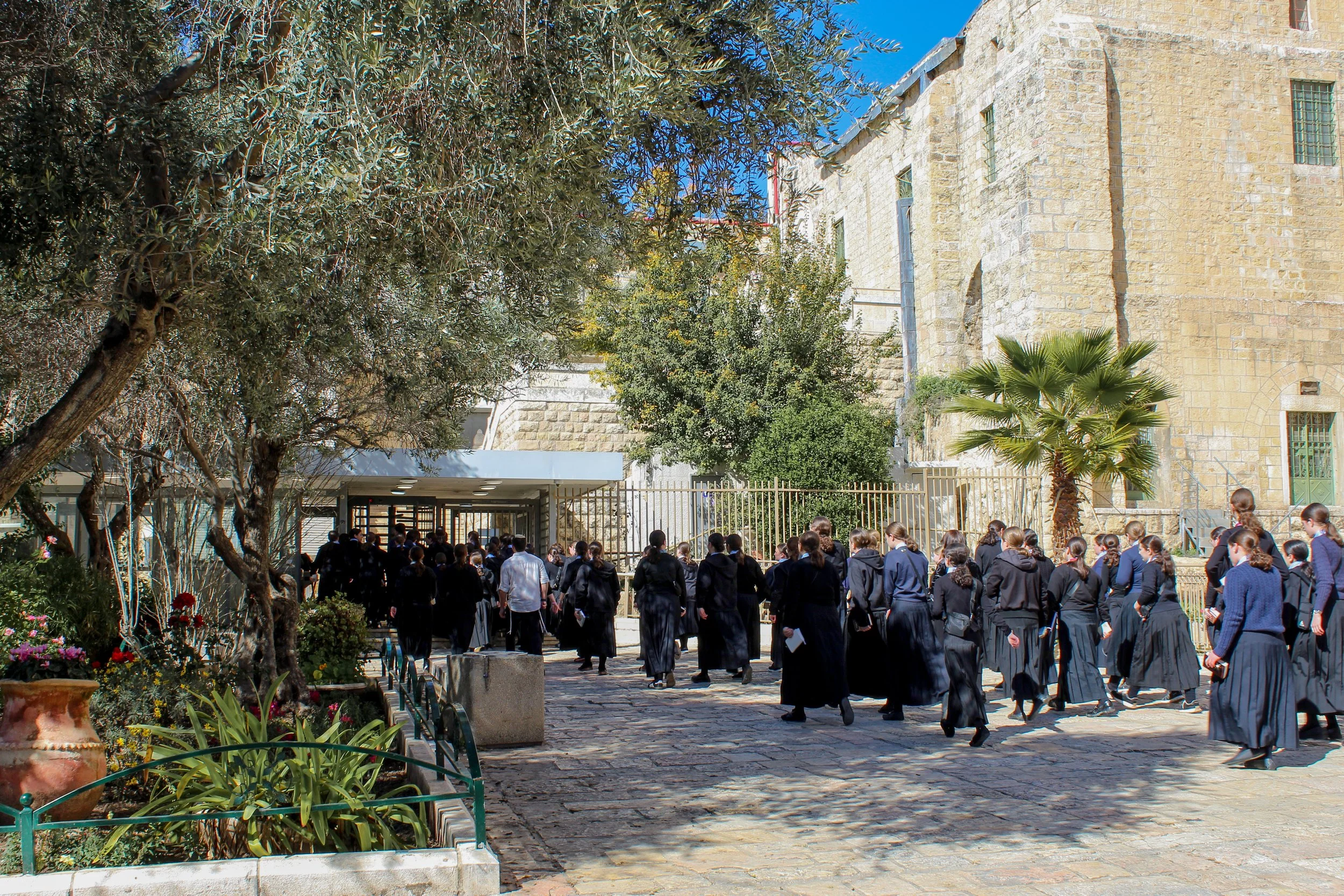
Today, the Cave of Machpelah draws over 300,000 visitors a year. The structure is divided between a synagogue and a mosque, which Jews and Muslims each controlling different sections. Jews have no access to Ohel Yitzchak, the largest room and the one that sits closest to the cave’s only known entrance, except for 10 days per year, including the Shabbat when the Torah portion describing Abraham’s purchase of the cave is read.
That division reflects a broader tension in Hebron itself. Today, where roughly 700 Jews live among more than 200,000 Arabs in a city formally split since the Hebron Protocol of 1997 into Israeli and Palestinian Authority sectors. It is one of the most contested cities in the Middle East, and yet at its heart sits this ancient cave, sacred to all who trace their faith to Abraham.