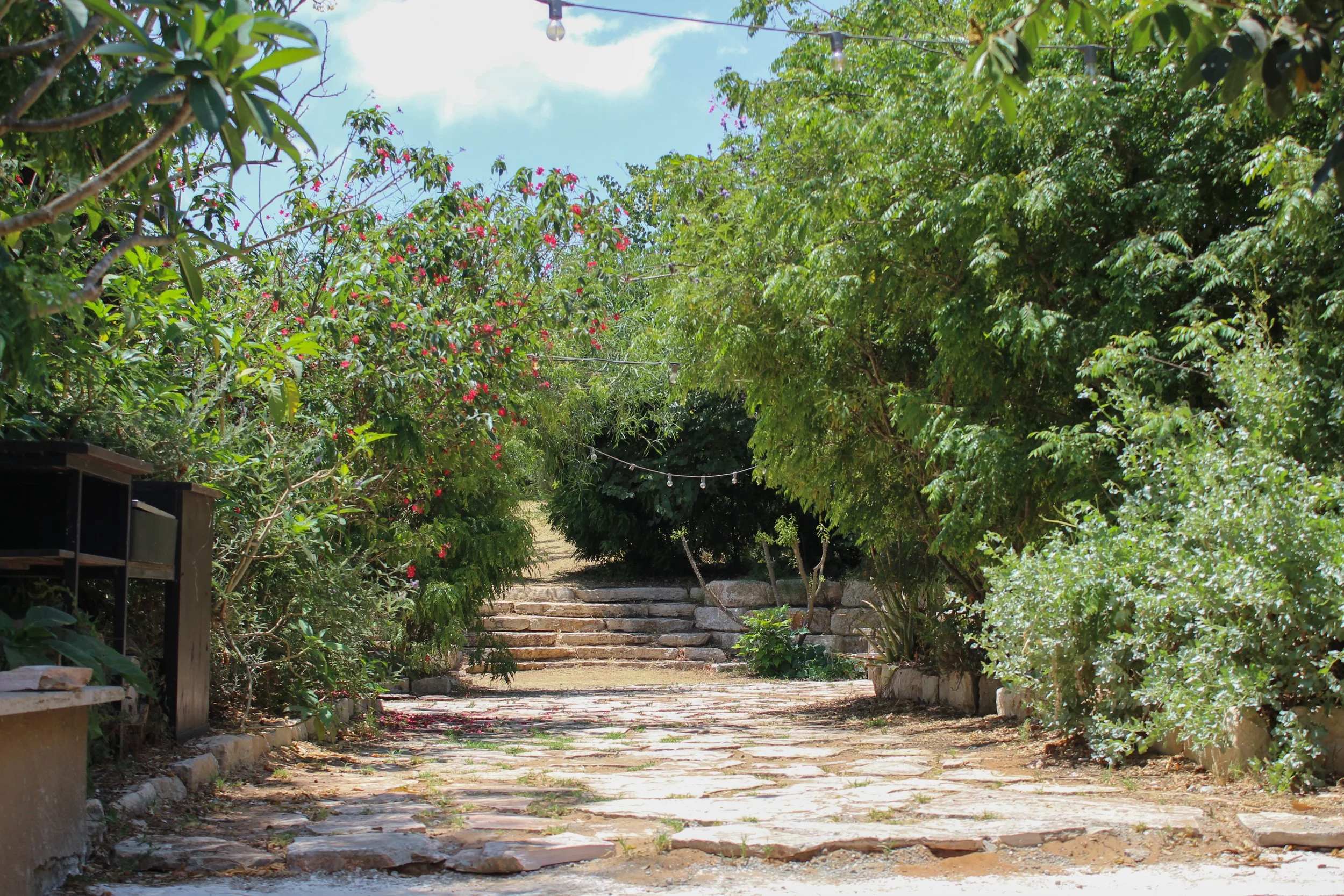
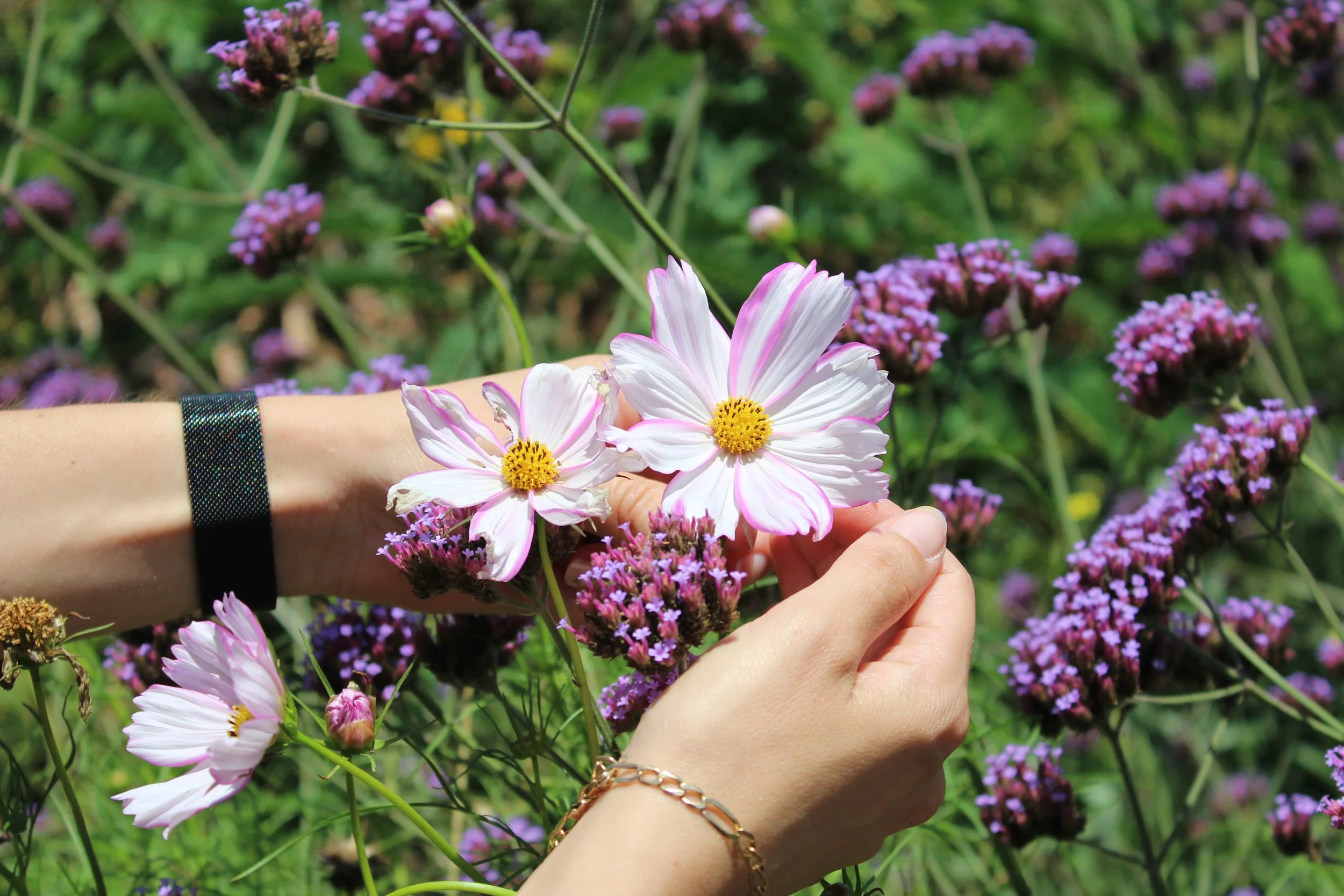
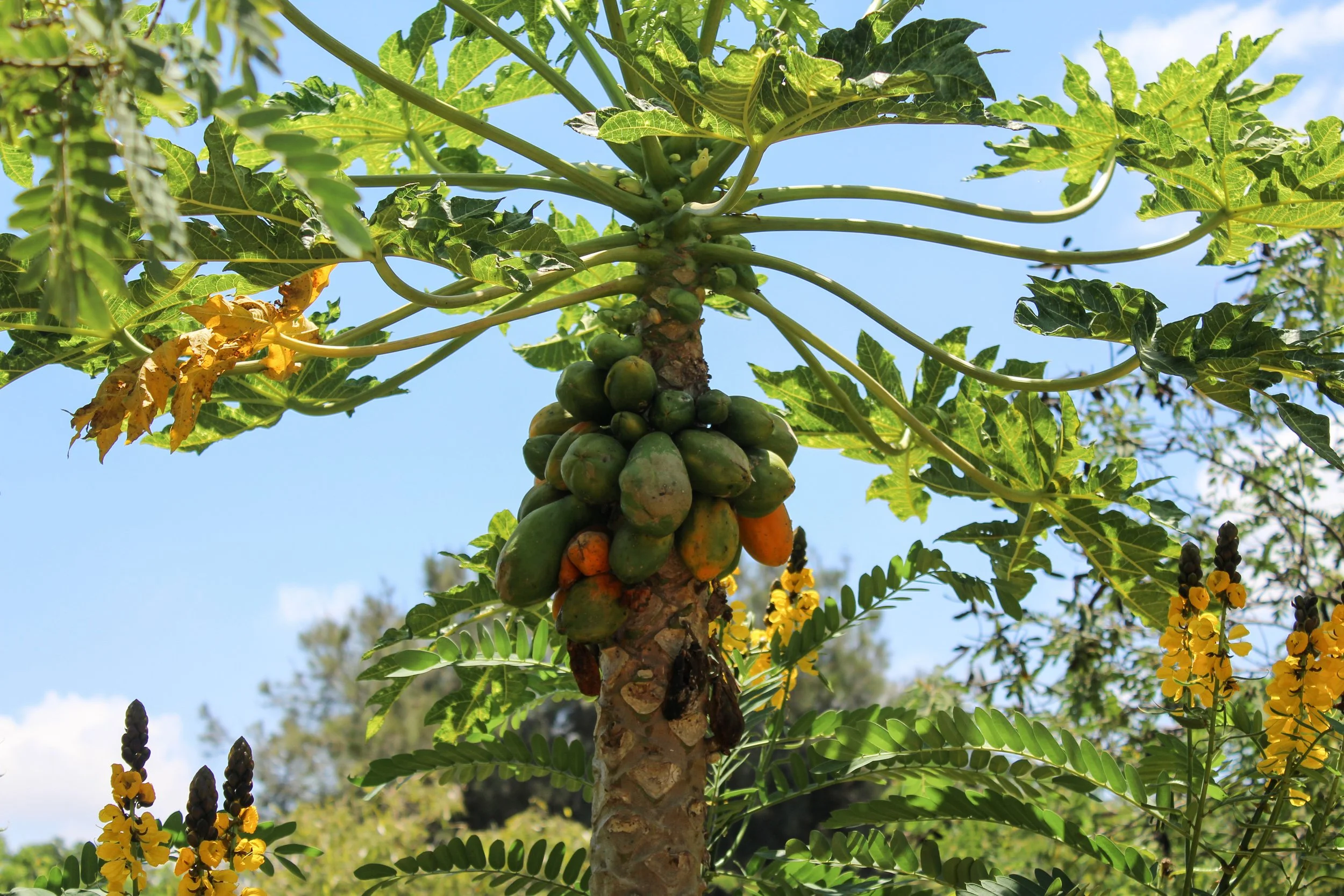
This episode was filmed at Farma Cultura, an organic farm and agricultural retreat in Moshav Bnei Zion, about 20 minutes north of Tel Aviv.
The land Farma Cultura sits on has a story of its own. It once belonged to Sigmund Hand, one of the founders of Moshav Bnei Zion, an agronomist who studied organic farming and composting. After his passing, the land sat abandoned for 30 years, its greenhouse plants and vegetable beds growing wild and untended.
In 2012, Gil and her husband Nadav, then living in Tel Aviv with their young daughter, came upon the overgrown property while searching for a place to raise their family outside the city. Rather than walk away from the neglect, they saw potential. Their imaginations were captured by the light filtering through the crumbling farm structures as well as the fertile soil.
Both having grown up around agriculture themselves, they decided together to restore the land, in a sense carrying forward Sigmund Hand’s own expertise in organic methods. What began as a young family’s leap of faith has since grown into a thriving organic farm and cultural gathering space, complete with farm tours, farm-to-table meals and workshops, all built on the principle of reviving what once seemed lost.
Farma Cultura is only one story within a much larger Israeli tradition: the moshav. A moshav is a cooperative agricultural settlement, distinct from the more communal kibbutz. While kibbutz members traditionally share property, labor and income collectively, moshav families typically farm their own private plots, retain personal property and cooperate mainly in marketing and purchasing. This model offered a middle ground between complete collectivism and full private enterprise, one especially suited to the wave of immigrants who arrived in Israel without prior experience in communal living.
The earliest successful moshavim were established in 1921, and the model expanded rapidly after Israel’s founding in 1948, as a practical way to settle and integrate new arrivals onto the land.
Moshav Bnei Zion itself reflects this legacy, a small agricultural community where individual families have worked the soil for generations, adapting from citrus groves and traditional row crops toward newer ventures like Farma Cultura’s organic produce and agritourism.
In many ways, the story of this land—abandoned, then lovingly restored to bear fruit again—reflects a theme woven throughout Scripture: the reclaiming of what was lost, and the flourishing that follows faithful, hands-on labor.
Bnei Zion