Jerusalem
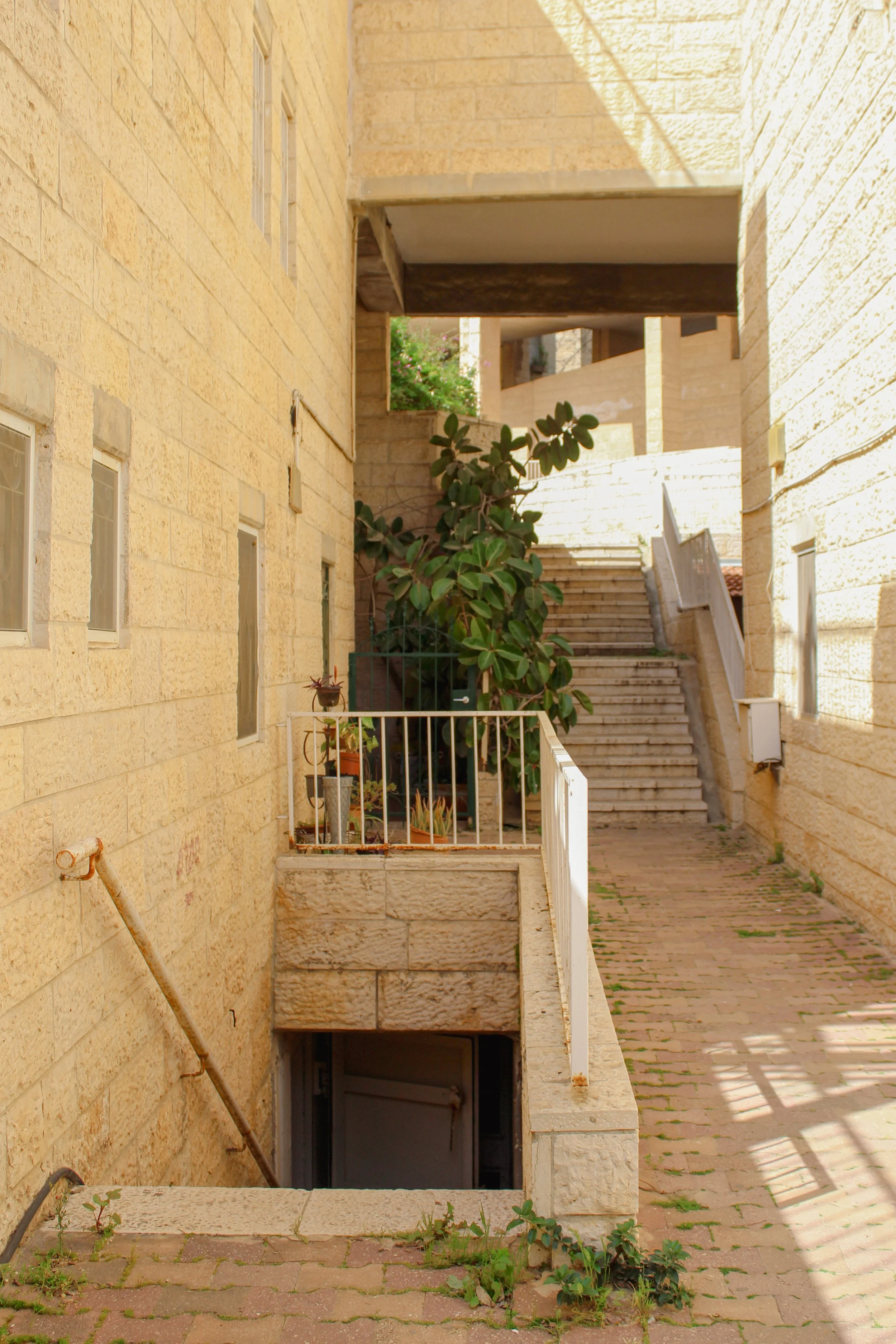
This week’s Ignite the Truth episode was filmed inside a public bomb shelter in Jerusalem, a reality the people of Israel have come to know all too well. Since October 7, 2023, and especially during bouts of fighting with the Iranian regime over the past year, ballistic missile barrages have sent Israelis across the country scrambling for cover. For most people around the world, bomb shelters are a foreign concept. For Israelis, they are simply a fact of daily life.
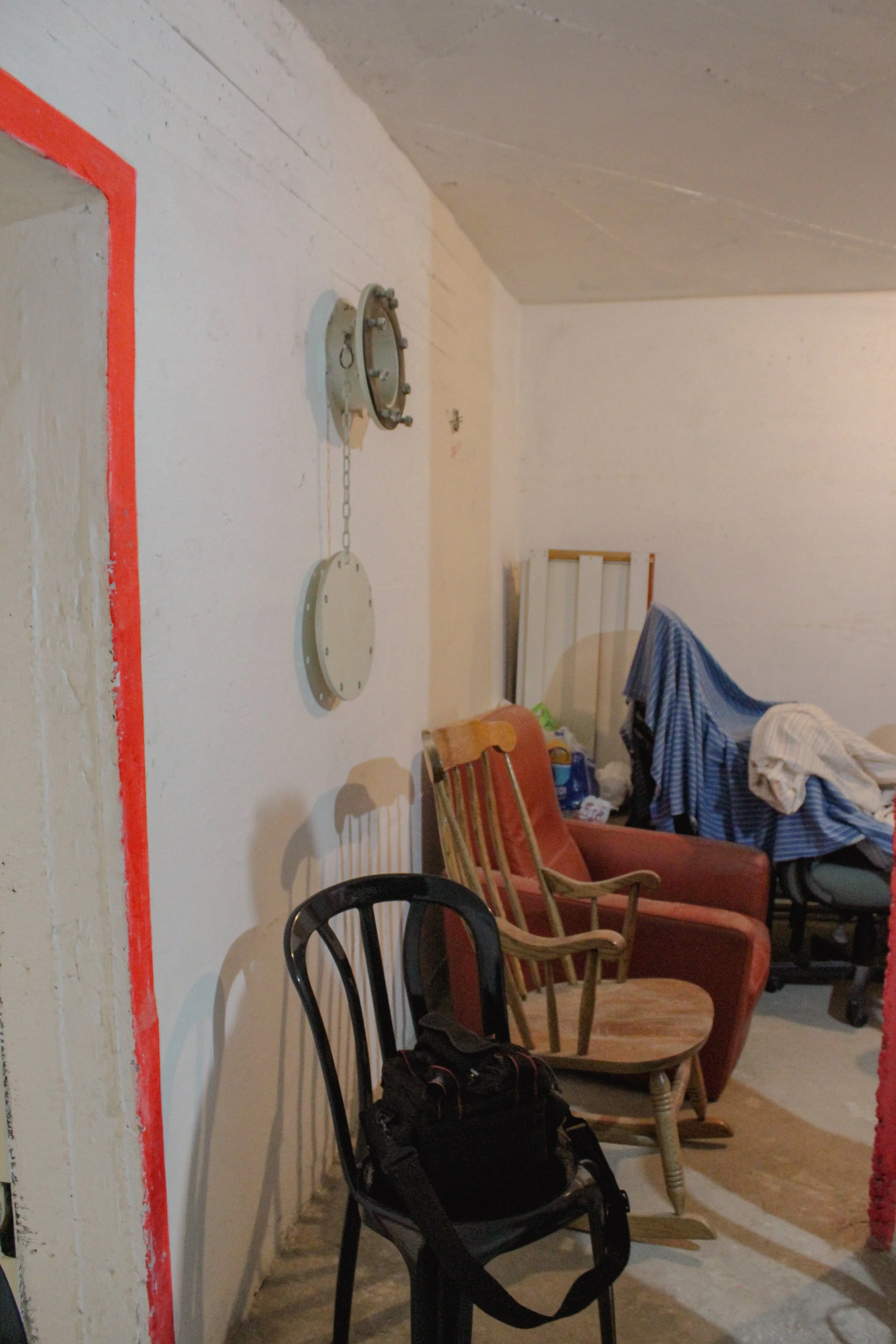
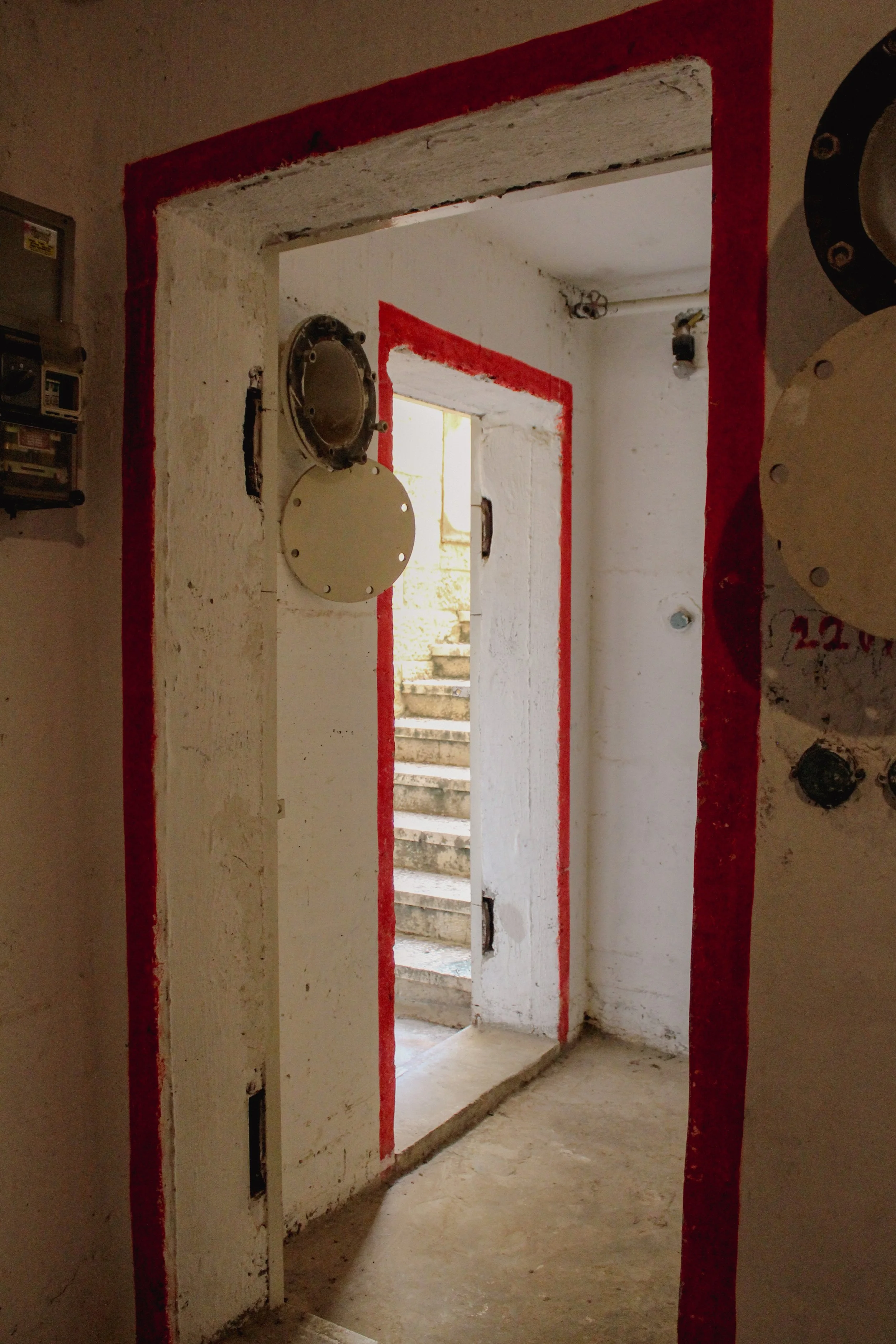
There are two main types of protective spaces in Israel. A miklat is a public or communal bomb shelter, the kind featured in this week’s video. A mamad is a private safe room built into homes and apartments. Both feature reinforced concrete walls typically 30 centimeters (12 in.) thick, steel doors and airtight seals designed to withstand shrapnel and explosive shockwaves. Public shelters offer greater protection against powerful ballistic missiles like those launched by Iran, as they are built toward the center of a building on reinforced columns.
Israel began requiring safe rooms in all new residential construction starting in 1993, following Saddam Hussein’s Scud missile attacks during the 1991 Gulf War, a turning point in civil defense. Still, as of the end of 2024, an estimated 56% of Israel’s 2.96 million homes lack a private safe room, making the country’s roughly 11,776 public shelters essential infrastructure.
Every school in Israel has multiple designated shelters, and many kindergartens along the Gaza boundary have been constructed as essentially one large protected space. No city embodies this reality quite like Sderot, known as the “Bomb Shelter Capital of the World.” Situated just 800 meters (2,625 ft.) from Gaza, Sderot’s bus stops double as reinforced safe rooms, its playgrounds are built inside fortified structures and there is even a Bomb Shelter Museum telling the story of the community’s resilience. Despite it all, Sderot has grown to 24,000 residents, with no shortage of people calling the community home.
During particularly bad bouts of fighting, Israelis have to adjust to a new schedule, often being woken up in the middle of the night by sirens and forced to flee for shelter. But in typical Israeli fashion, life goes on, even during wartime. Weddings and holiday celebrations simply move underground. In the Gaza envelope, local artists have transformed concrete shelters into canvases of murals and graffiti. In Jerusalem, one shelter has even become an art gallery during peacetime, a fitting reminder that these spaces, woven into the landscape and daily rhythms of Israeli life, are more than just survival structures. Oftentimes Israeli children—particularly those who live near Gaza—have become accustomed to always knowing where the nearest bomb shelter is and have a hard time adjusting when visiting other countries. These quiet moments speak to a people who, generation after generation, simply refuse to stop living and make the most of the reality they live in.
Bomb Shelter