Jerusalem
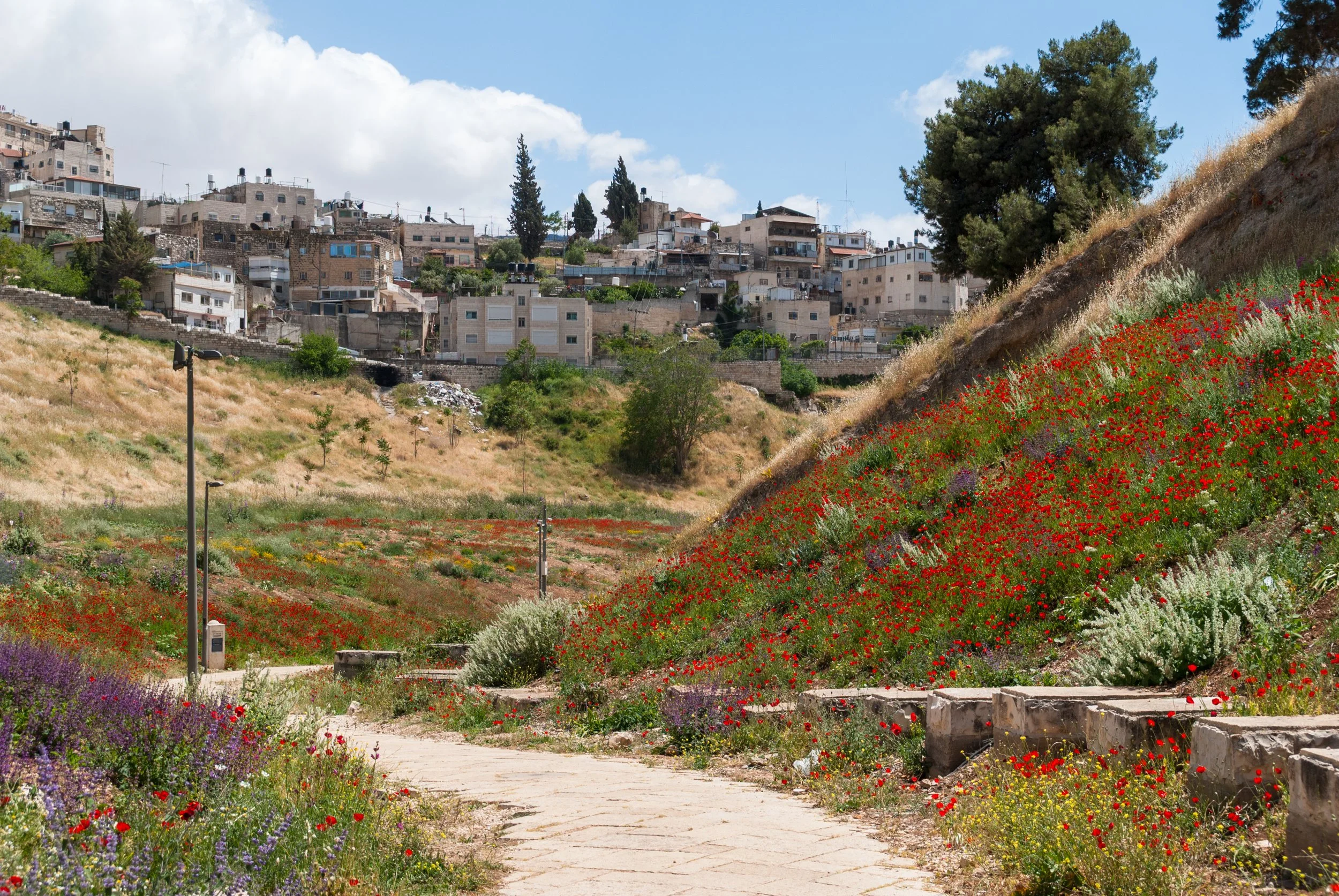
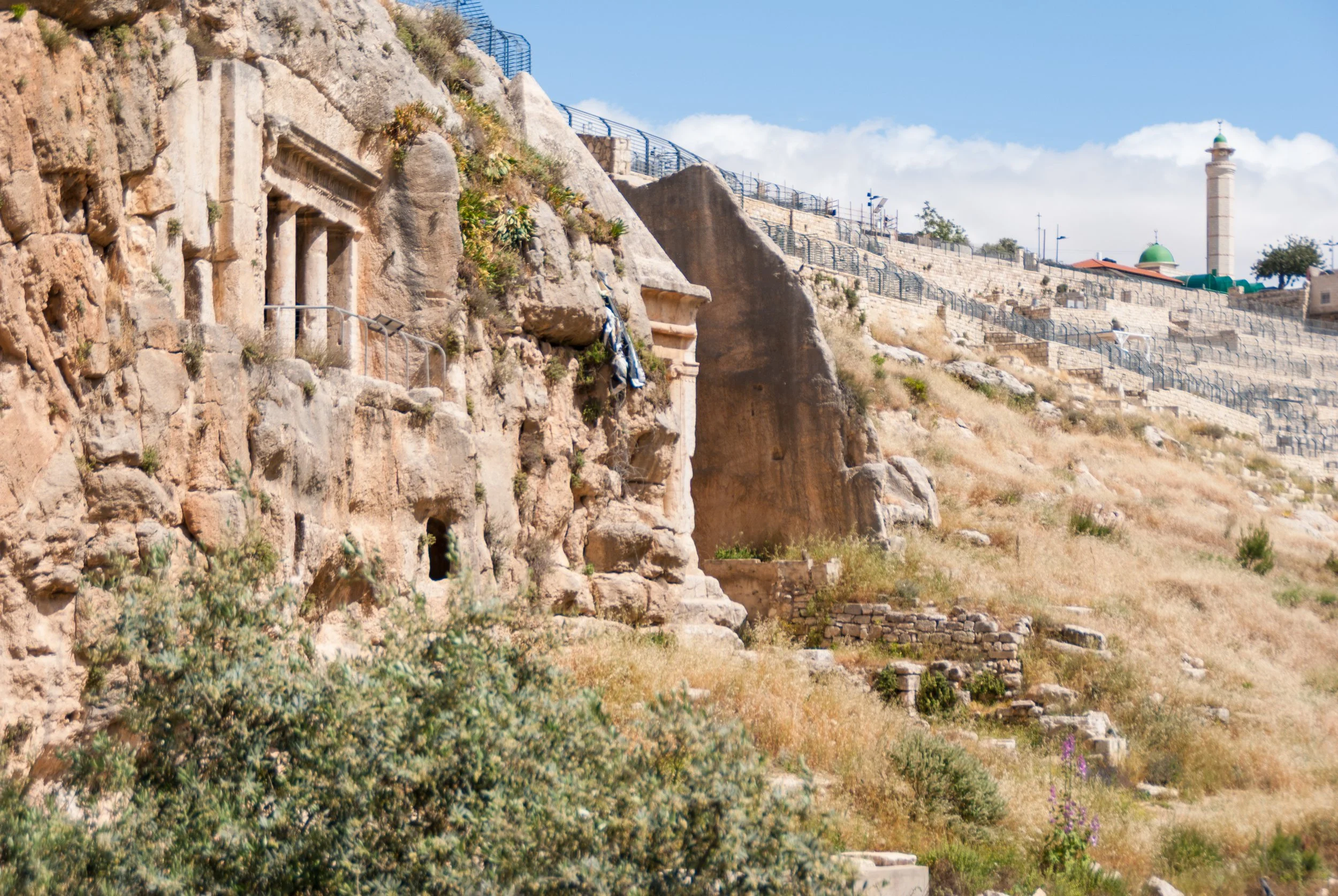
The Kidron Valley, which runs between Jerusalem’s Temple Mount and the Mount of Olives, is rich with biblical significance and history. In this week’s teaching, Reverend Nathan Williams highlights how King David and his loyal followers once crossed this valley, weeping as they fled Jerusalem during David’s son Absalom’s rebellion (2 Sam. 15:23).
Throughout Scripture, the Kidron is associated with mourning, judgment and cleansing. Several kings of Judah destroyed idols and cast them into this valley during seasons of repentance and spiritual reform. King Asa removed and burned idols there during his reign (1 Kings 15:13), King Hezekiah ordered the unclean things from the Temple carried out to the Kidron during his cleansing of Jerusalem (2 Chron. 29:16; 30:14), and King Josiah cast idols and pagan objects into the valley during his sweeping reforms (2 Kings 23:1–6). According to 2 Kings 23:6, the valley was also where common people were buried.
Even the name “Kidron” reflects the valley’s solemn history. “Kidron” in Hebrew translates to “dark” or “murky.” It comes from the root word qadar, meaning “to be dark” or “to mourn,” and is associated with wearing sackcloth, such as in mourning, or with soot. The imagery is fitting, describing the murky stream that runs through the Kidron Valley, a wadi that remains dry during much of the year but swells during the rainy season.
The Kidron Valley also appears in the New Testament. Jesus (Yeshua) likely crossed this valley many times while traveling between Jerusalem and Bethany, where His dear friends Lazarus, Mary and Martha lived (John 11:1). In a parallel to David fleeing through the valley in sorrow, John 18:1 specifically notes that Jesus crossed the Kidron Valley on the night He went to pray in the Garden of Gethsemane before His arrest, crucifixion and resurrection.
The Kidron Valley is also traditionally associated with the Valley of Jehoshaphat, which means “YHVH [the unspeakable name of God, Yahweh or Jehovah] has judged”—a fitting name given the valley’s place in biblical prophecy. In Joel 3:2, the Lord declares that He will “gather all nations, and bring them down to the Valley of Jehoshaphat; and I will enter into judgment with them there, on account of My people, My heritage Israel.”
The chapter goes on to describe the judgment God will bring against the nations for scattering and mistreating His people. Yet alongside judgment comes a promise of restoration, ingathering and blessing for those who belong to Him. Even today, the Kidron Valley stands as a vivid reminder of sorrow, repentance, judgment and the enduring faithfulness of God.
Kidron Valley