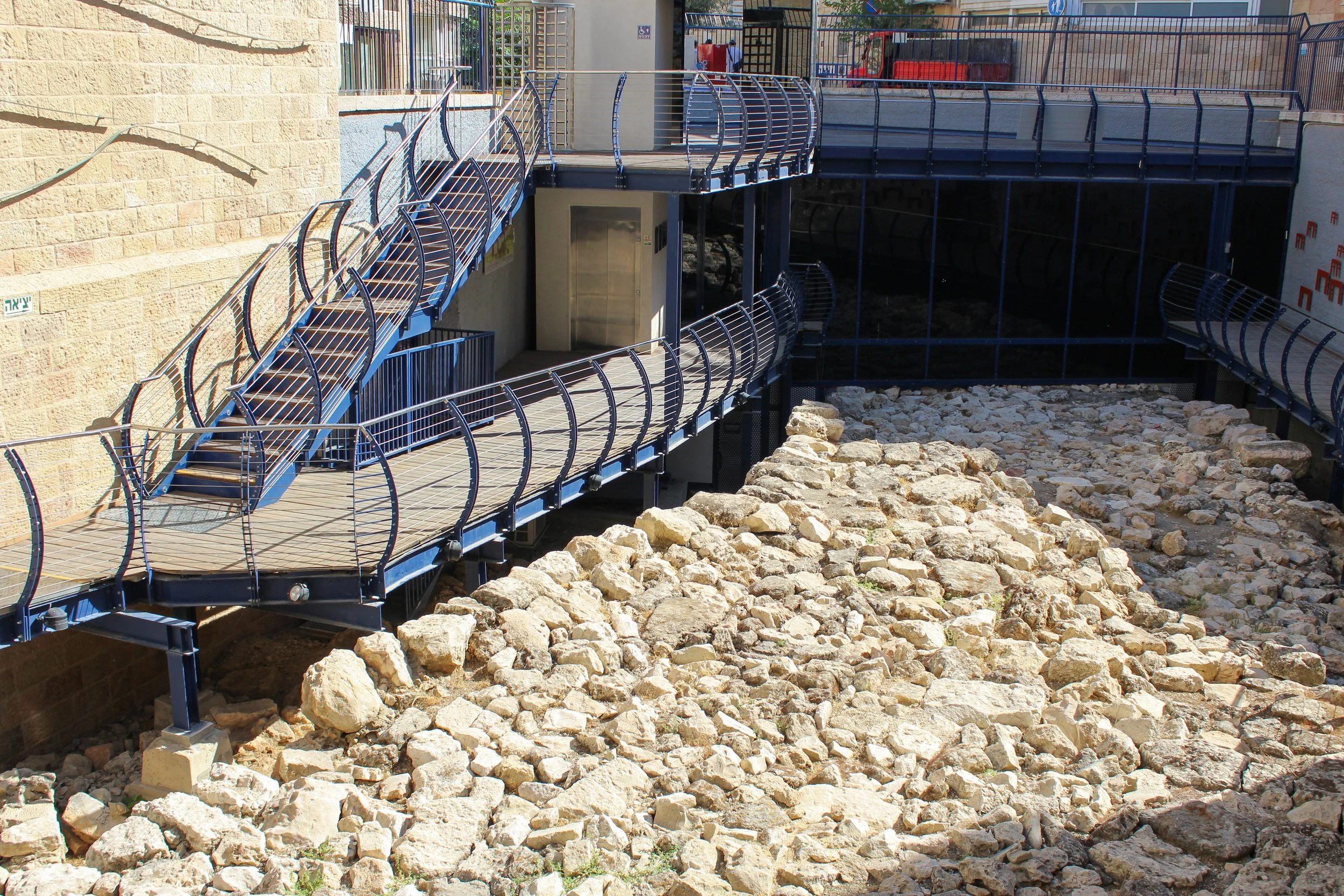
Beneath the streets of Jerusalem’s Jewish Quarter lie the ancient ruins of a stone wall.
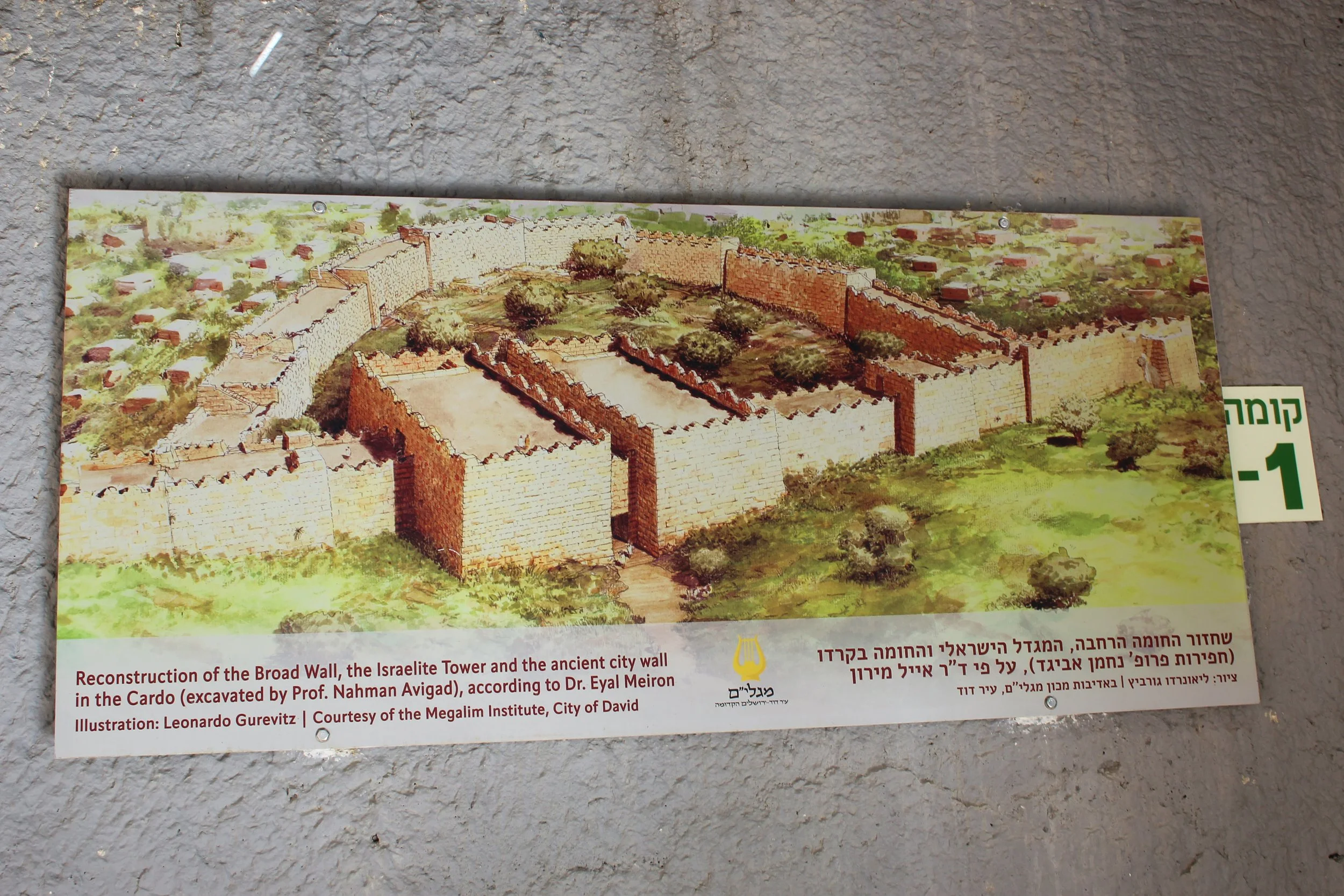
Hezekiah’s Broad Wall was raised around 701 BC, when King Hezekiah looked out at the Assyrian war machine bearing down on Judah and knew that Jerusalem’s defenses weren’t enough. Jerusalem’s population had outgrown its old boundaries of the City of David and had spread out past the fortifications. They were unprotected in the path of an incoming merciless army that already had destroyed dozens of surrounding cities.
Determined to defend the city, Hezekiah tore into the city itself, cutting down homes and streets, to build a fortification 23 feet (7 m.) thick and by some estimates over 25 feet (8 m.) tall.
2 Chronicles describes the urgency plainly: Hezekiah “set to work resolutely and built up all the wall that was broken down and raised up towers upon it” (32:5 ESV) and even built a second wall outside it. This was a nation preparing for the possibility of ruin.
The wall visible today, tucked just north of the Hurva Synagogue, was unearthed in the 1970s by Israeli archaeologist Nahman Avigad. Its sheer width signaled its significance and earned it the name it carries now: the Broad Wall.
For decades, it stood as one of two known Iron Age wall sections in the area, separated by a gap wide enough that some scholars doubted the pieces were even part of the same fortification system.
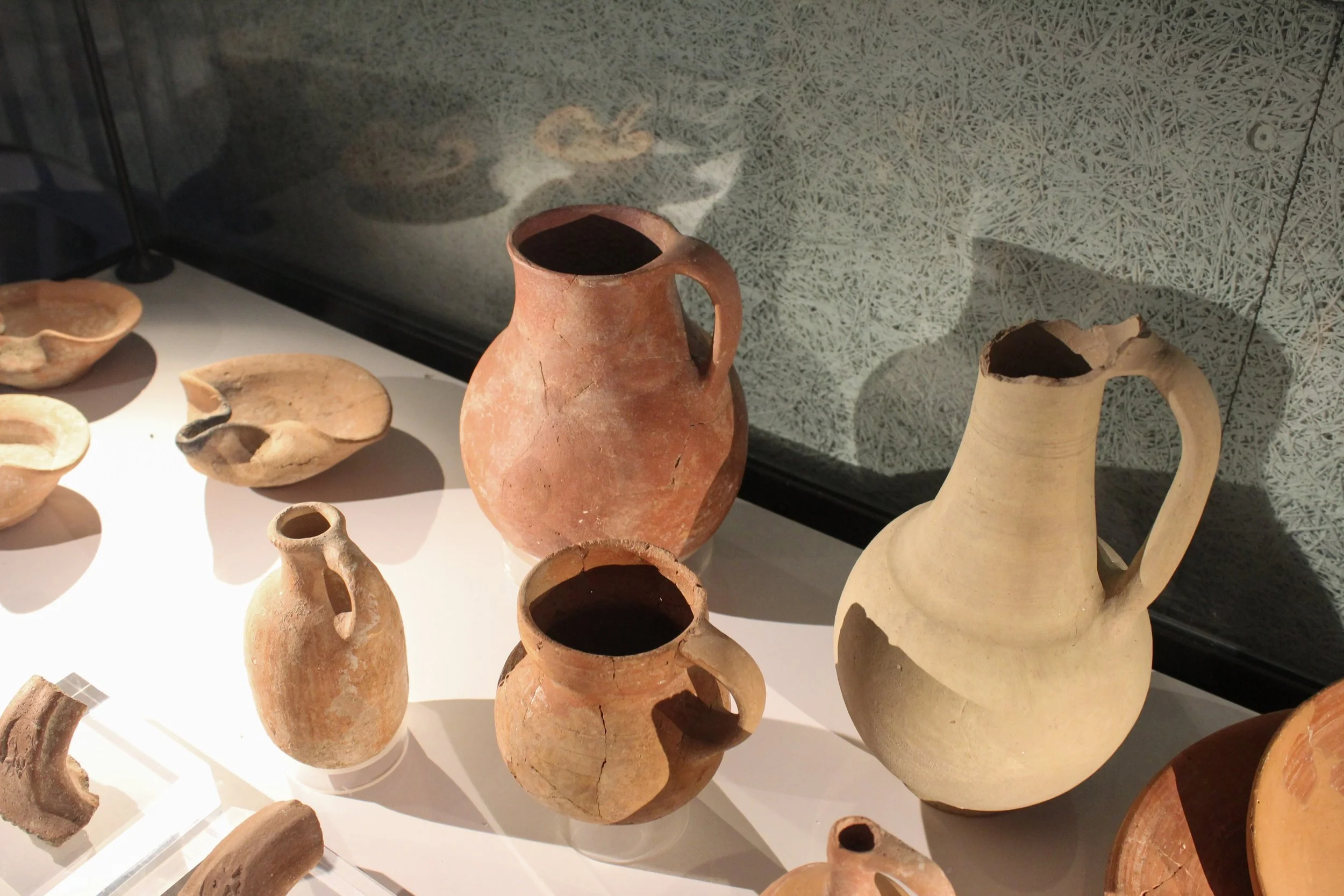
That changed in July 2021, when the Israel Antiquities Authority announced it had uncovered the missing eastern stretch, running along the steep slope of the Kidron Valley in the City of David. Pottery and stamp seals found along that section dated it firmly to the Iron Age, finally confirming what many had suspected: Jerusalem was ringed by a single, massive defensive system in Hezekiah’s day, not scattered, disconnected structures.
That section is believed to be the very wall later destroyed in the Babylonian siege described in 2 Kings 25, one of the several catastrophes still mourned each year on Tisha B’Av (the Ninth of Av).
This location makes a fitting backdrop for Isaiah 61. The prophet who penned “beauty for ashes” and promised ruined cities being renewed was speaking to people who knew exactly what ashes and ruins looked like because they had watched their own defenses tested, their own walls threatened, their own Temple eventually reduced to rubble.
The Broad Wall is physical evidence of the cycle Isaiah 61 speaks into: threat, devastation and the promise of rebuilding. God spared Jerusalem from Assyria, but the wall’s later fall to Babylon shows that judgment eventually came anyway, and with it, the grief Isaiah addresses centuries later.
Standing beside these stones today is to stand at the intersection of both realities Isaiah 61 holds together: desperate hope and ruin, mourning and the promise of restoration—the same promise that centuries later, the One in a Nazareth synagogue declared was finally being fulfilled.
Hezekiah’s Broad Wall