Jordan River, Jericho and Mitzpe Yericho
The region encompassing the Jordan River, Jericho and the desert heights of Mitzpe Yericho stands as one of the most historically and biblically significant landscapes in the Land of Israel. Here, dramatic geographical contrasts mirror pivotal moments in Scripture.
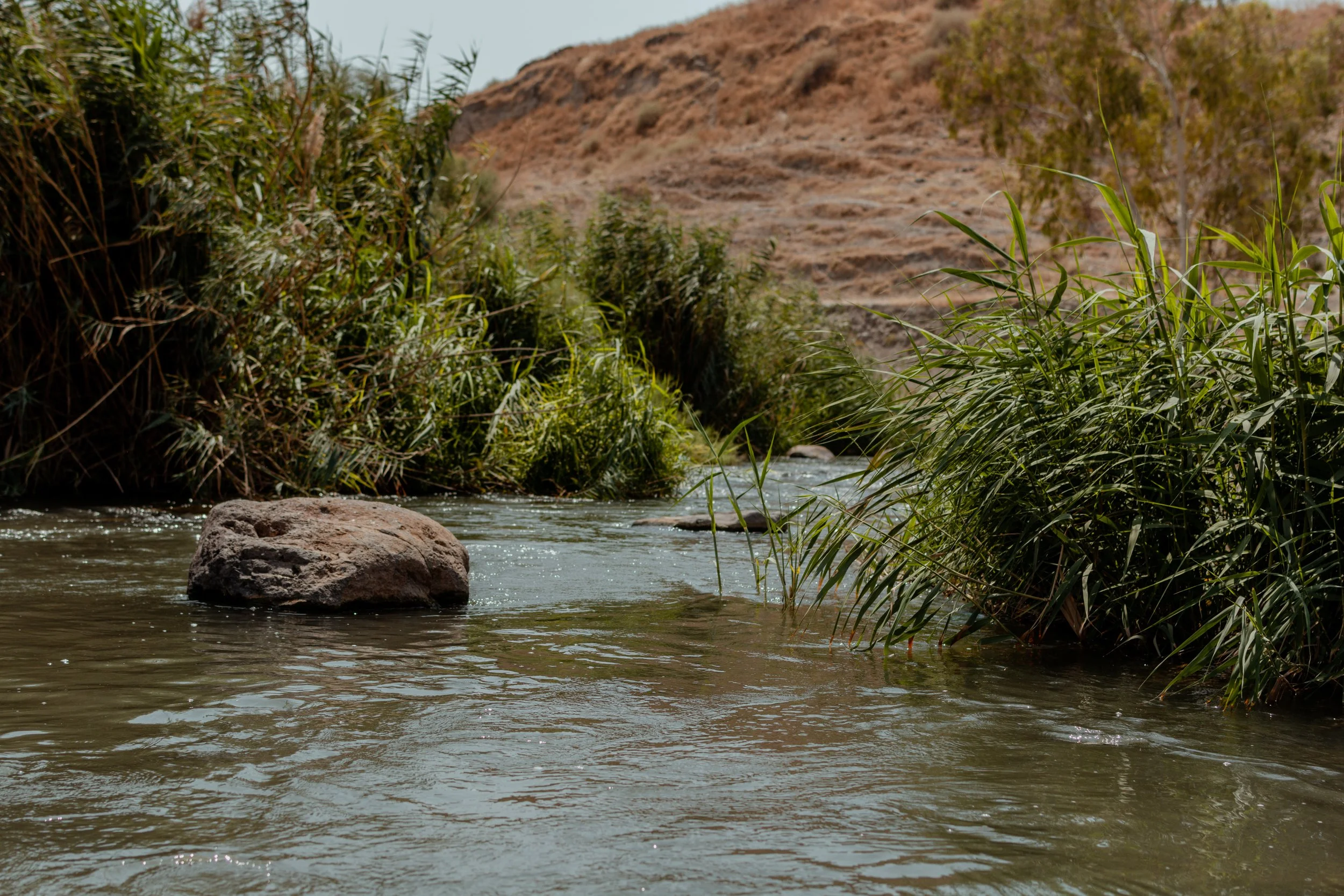
Flowing through the heart of this region is the Jordan River, a narrow yet powerful boundary where Israel finally crossed into the Promised Land after 40 years of wandering the wilderness (Josh. 3). At God’s command, the waters stood still, allowing the nation to enter the Land of Promise on dry ground. Twelve stones were taken from the riverbed and erected as a memorial (Josh. 4), a physical reminder for future generations of God’s faithfulness at this critical threshold between past and future.
Just beyond the river lies Jericho, often acknowledged as the world’s oldest continuously inhabited city. Situated just north of the Dead Sea and more than 820 feet (250 m.) below sea level, Jericho sits in one of the lowest places on earth. Despite receiving less than 6.8 inches (175 mm.) of rainfall annually, a powerful natural spring produces over 1,000 gallons of water per minute, making the land fertile and sustaining its long history of agriculture. Known as the “City of Palms,” Jericho’s abundance of date palms stands in striking contrast to the surrounding desert. Today, the city is under the full administrative control of the Palestinian Authority and serves as a regional Palestinian Authority center.
Biblically, Jericho is best known as the first city Israel encountered after crossing the Jordan. Within its fortified walls, Rahab hid the Israelite spies and declared her faith in the God of Israel, securing deliverance for her household (Josh. 2). Soon after, the city fell, not by siege or military force, but through obedience, as Israel followed the Lord’s instructions and the walls collapsed (Josh. 6). While ancient ruins and remnants of mud-brick walls have been uncovered, archaeology has not conclusively identified the specific walls from Joshua’s conquest.
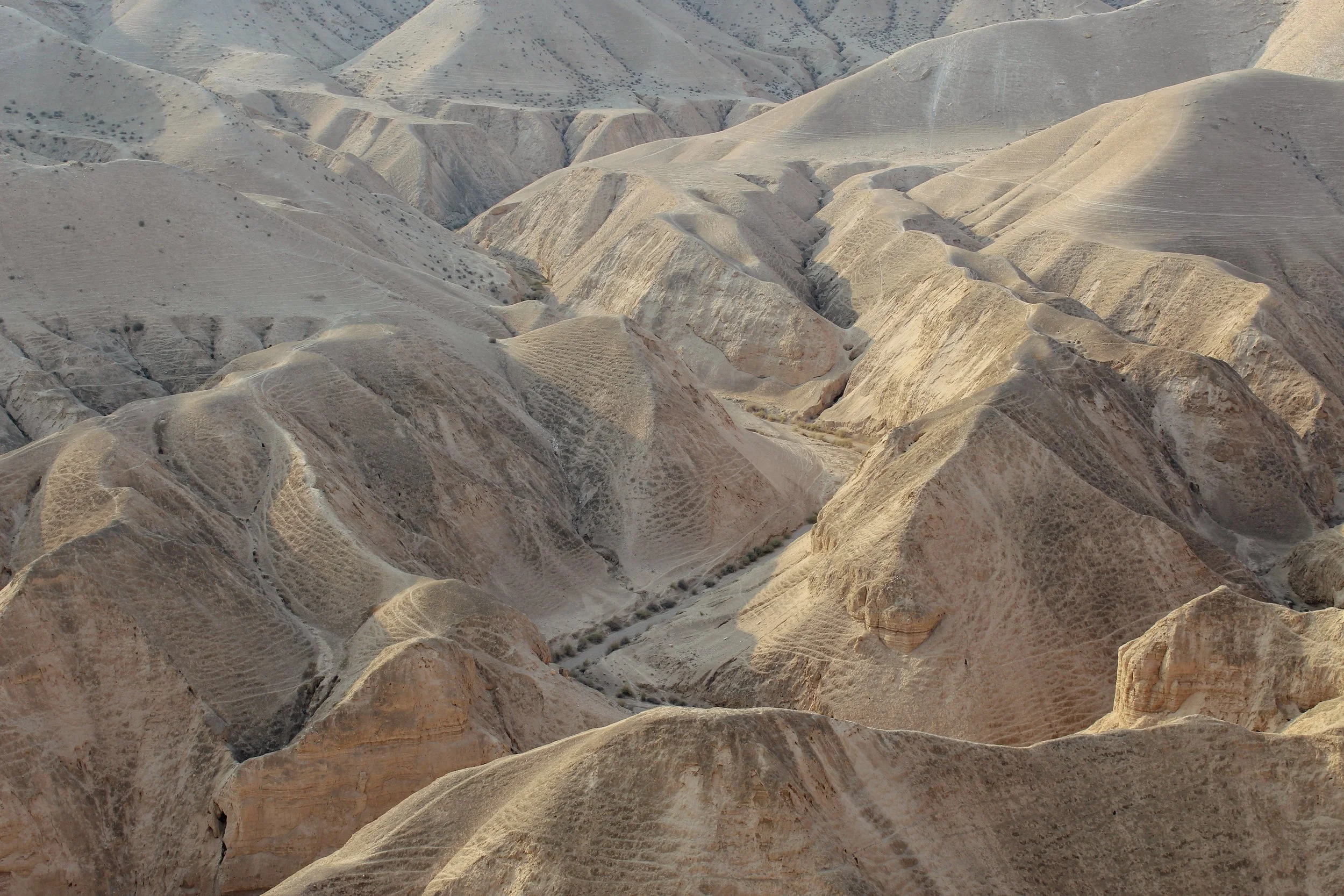
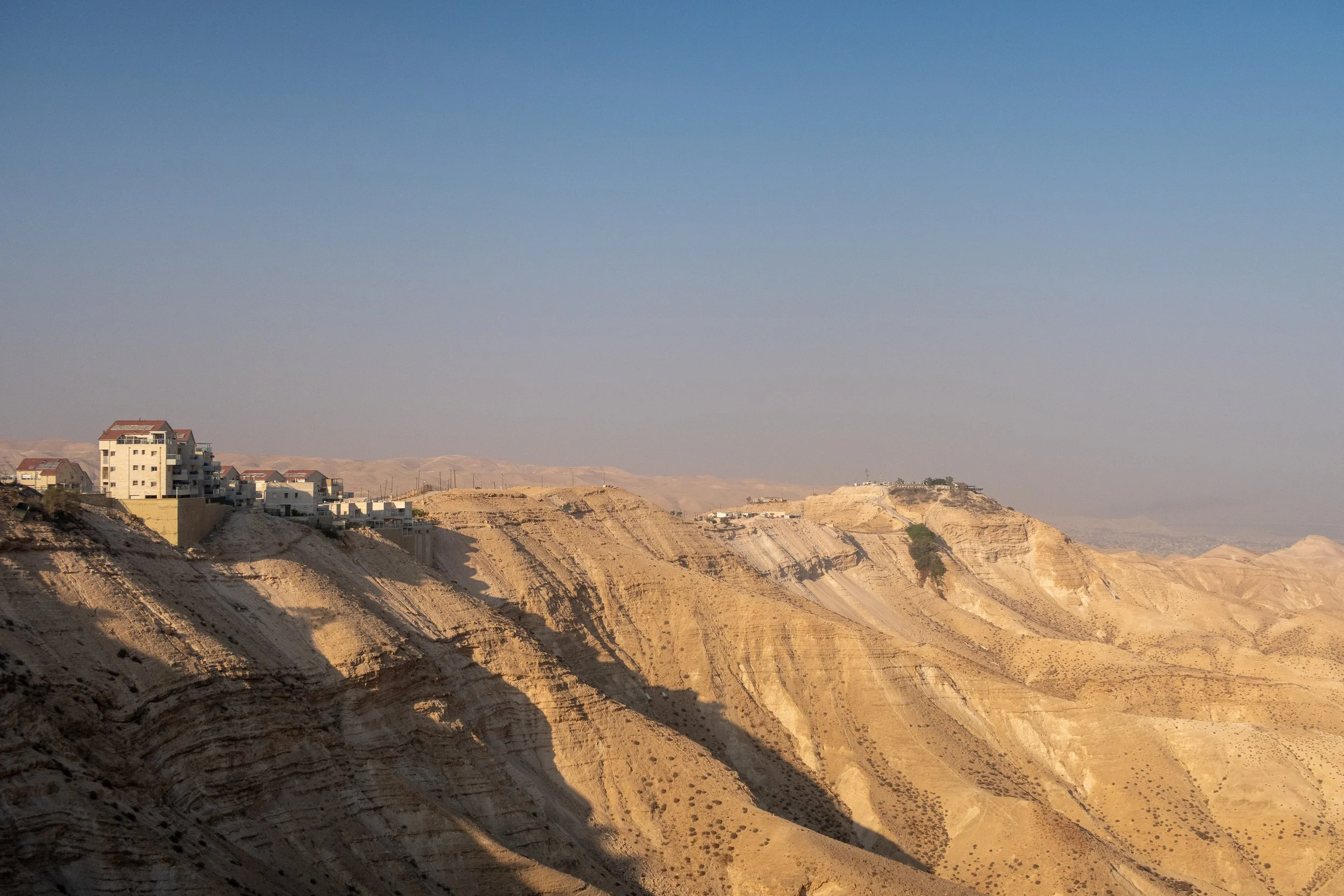
Rising above Jericho to the west are the stark hills of the Judean Desert. From lookout points near Mitzpe Yericho—“Jericho Overlook,” an Israeli community—the view stretches across the Jordan Valley and down toward the city below.
The prophets Elijah and Elisha also passed through this area. Near Jericho, Elijah was taken up into heaven, and Elisha received a double portion of his spirit before healing the city’s polluted waters, restoring life to its spring (2 Kings 2:4–22). Centuries later, the roads outside Jericho echoed with the cries of two blind men who called out to Jesus (Yeshua) and received their sight (Matt. 20:29–34).
Today, the landscape remains marked by dramatic contrasts: fertile oasis and barren desert, ancient ruins and modern communities. Filming in this region places the viewer at a living biblical crossroads, where waters parted, walls fell, eyes were opened and the unfolding purposes of God left their imprint on the land.