When Truth Costs Everything, Will You Still Stand?
When the world around you shouts what you want to hear, what does it take to speak the truth?
At the Scrolls of Fire monument in Jerusalem’s Martyr’s Forest, Reverend Nathan Williams tells the story of Micaiah, the prophet who refused to bow to the king’s expectations. Surrounded by hundreds proclaiming lies dressed as truth, Micaiah stood alone, faithfully declaring the word of the Lord.
This story dares us to ask: Will we follow the crowd or stand unshaken in truth, even when it costs us everything? Witness a call to courage, conviction and the power of one voice against the tide.
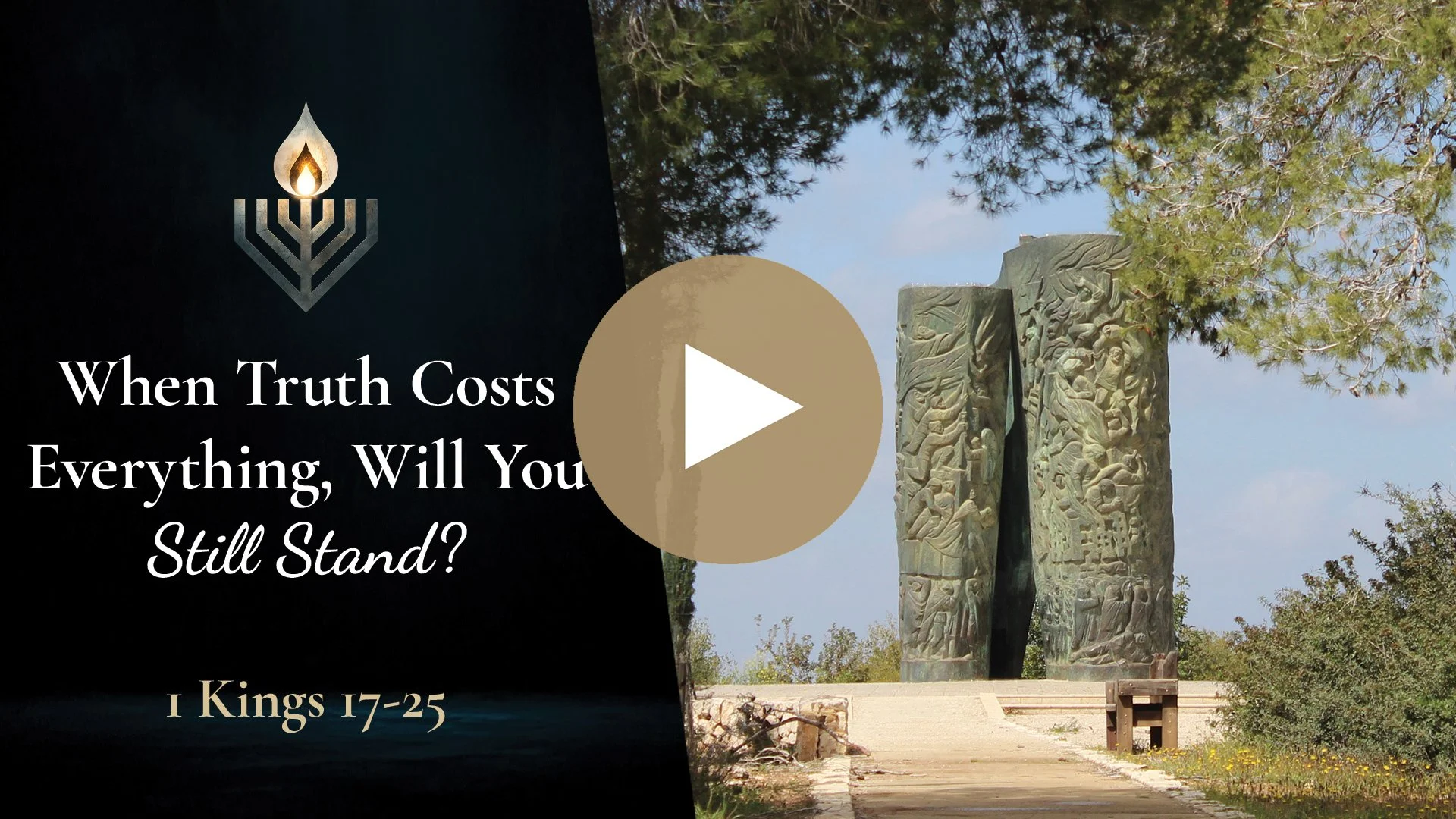
(Click on the image below to view the teaching.)
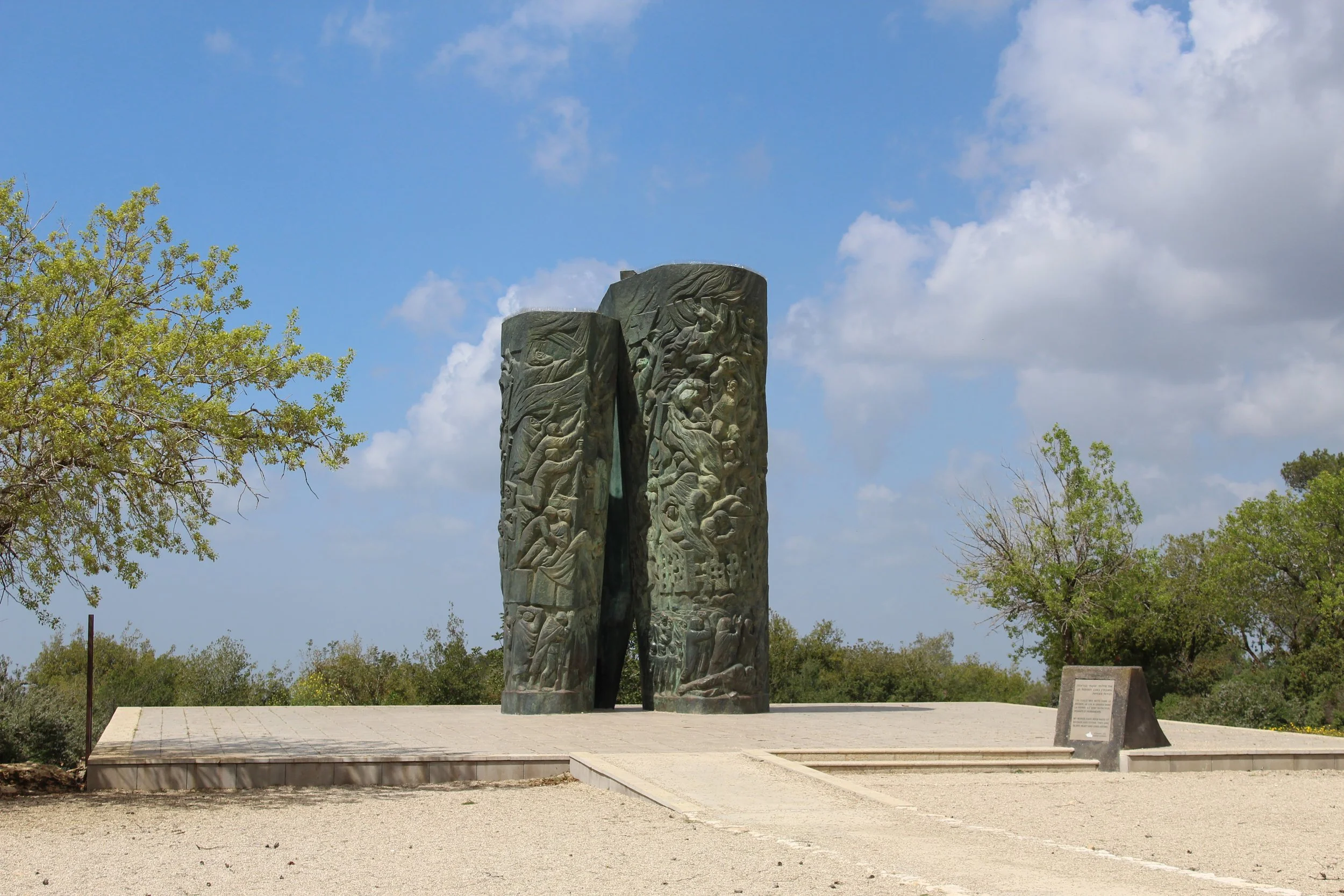
The Scroll of Fire Monument
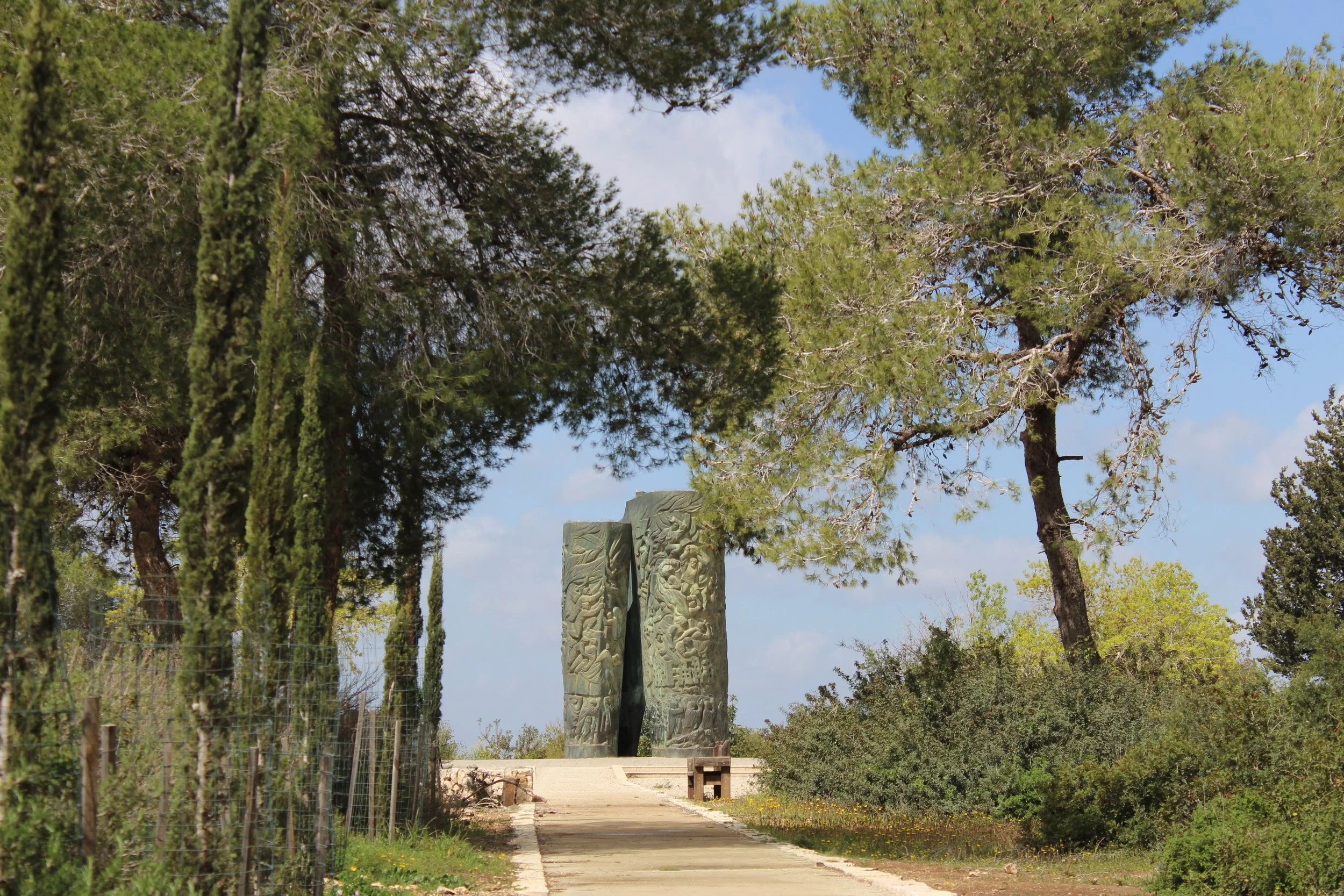
Located on the western outskirts of Jerusalem, the Scroll of Fire monument rises from the Martyrs’ Forest, a vast, living memorial planted in remembrance of the six million Jews who perished in the Holocaust. The forest itself comprises six million trees: 4.5 million pines representing the adults who were lost in the Holocaust, and 1.5 million cypress trees symbolizing the children. Together, they form a landscape of quiet reflection, where memory is woven into the very fabric of the land.
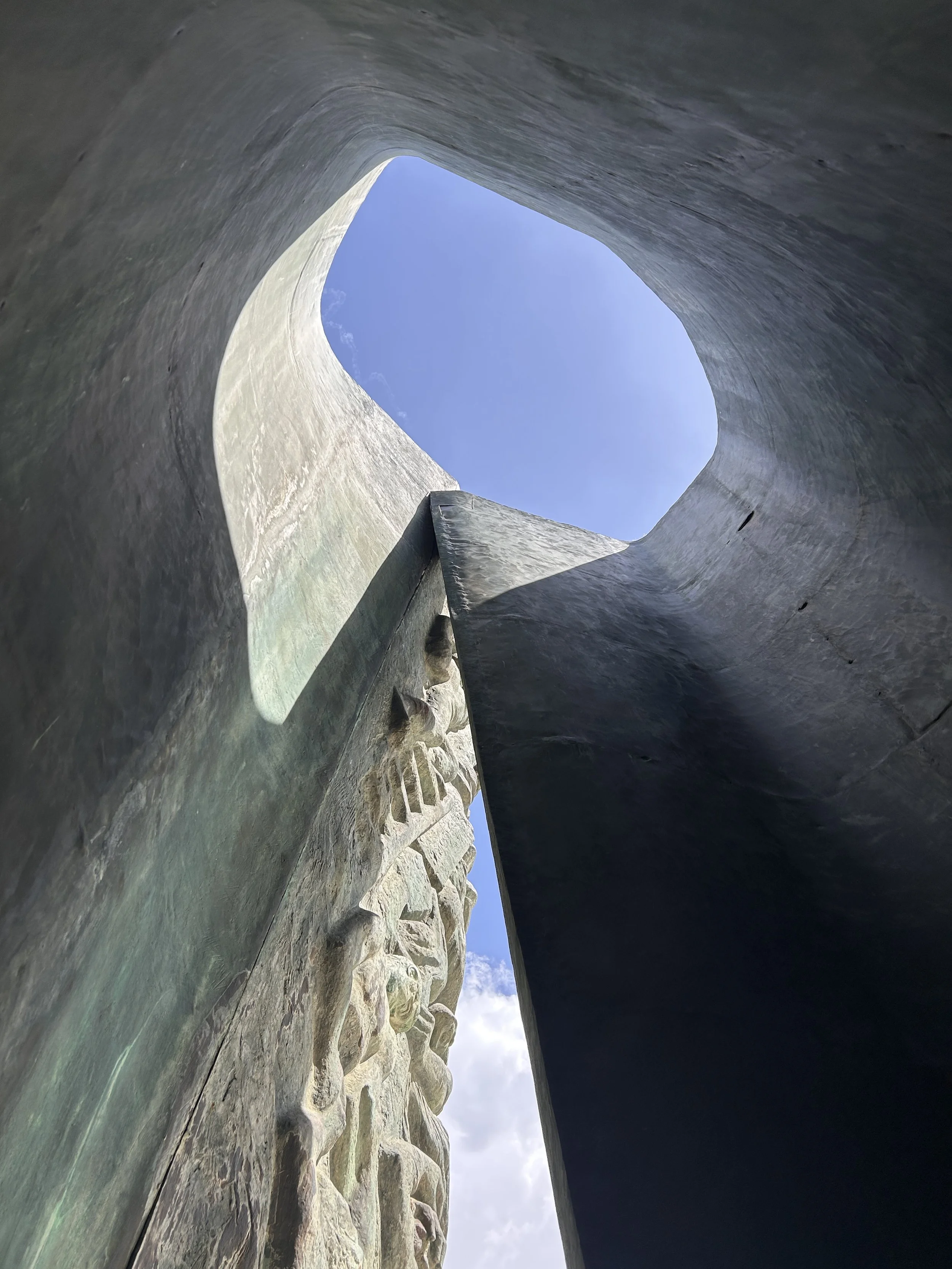
At the heart of this forest stands the Scroll of Fire, a striking bronze monument created by Holocaust survivor and renowned Polish-born sculptor Nathan Rapaport. Inaugurated in 1971, the monument rises approximately 26 feet (8 m.) high and is formed as two massive, intertwined scrolls. Their shape reflects the enduring identity of the Jewish people as the “people of the Book,” while also symbolizing a continuous story, one that moves from destruction to restoration.
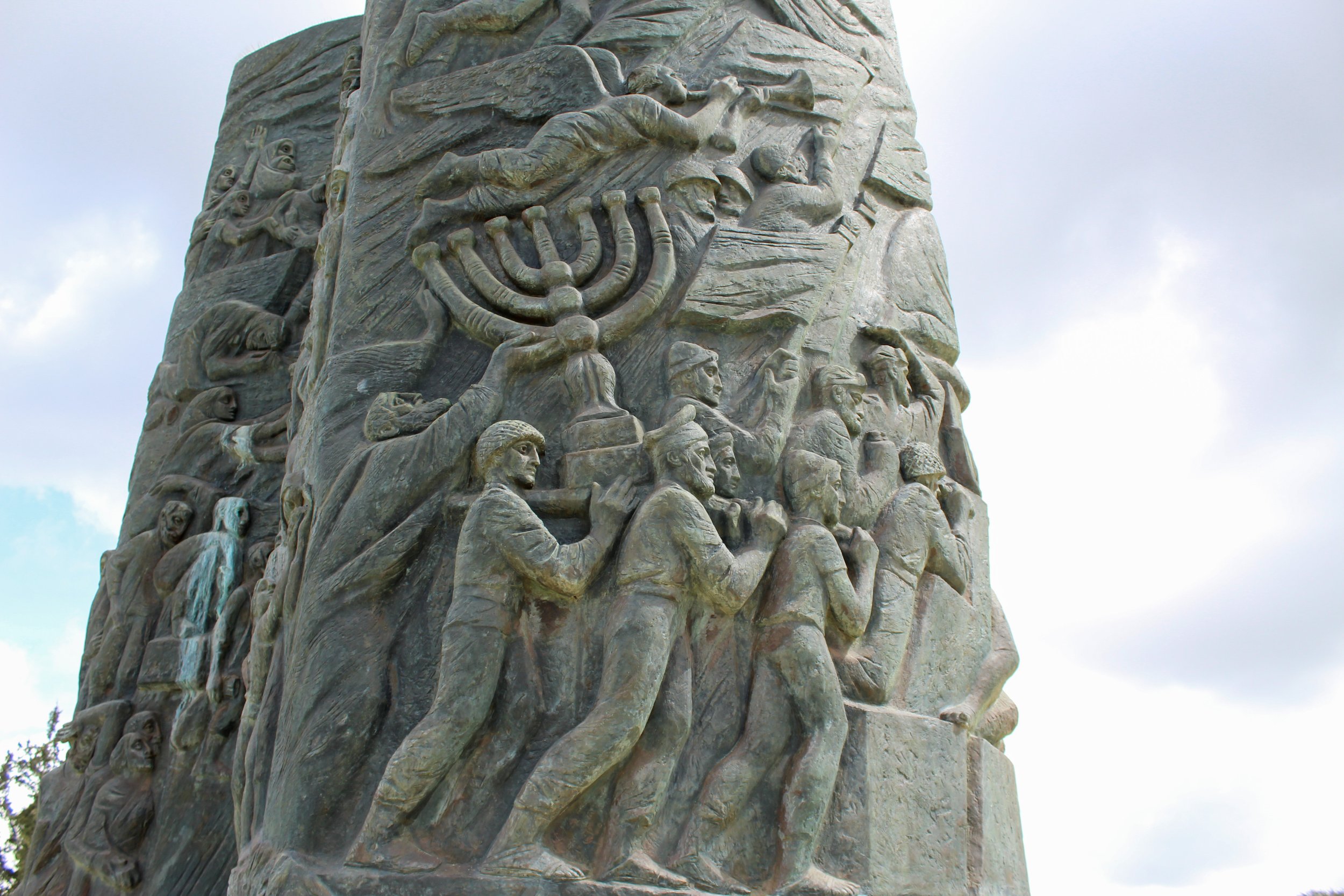
The monument tells a sweeping visual narrative of Jewish history in the modern era. One scroll is devoted to the horrors of the Holocaust: figures of Jews being marched toward concentration camps, overshadowed by faceless Nazi soldiers. Scenes of anguish and loss are etched deeply into the bronze, including a mother and child ascending in flames, capturing both tragedy and the sacred memory of lives lost. The Warsaw Ghetto is also represented, with powerful imagery of resistance and defiance even in the face of certain death.
The second scroll turns toward hope and rebirth. It portrays the return of the Jewish people to their ancestral homeland and the establishment of the modern State of Israel. Survivors are shown emerging from the darkness, eyes lifted with renewed hope. A man bends to kiss the ground upon arrival, expressing a profound connection to the land. A boat symbolizes the early waves of immigration before 1948, while a child holding grapes, one of Israel’s Seven Species, speaks to abundance and renewal. A pregnant woman represents the promise of future generations born into freedom.
Throughout the monument, rich symbols deepen the story. An olive tree, its branches formed from human figures, conveys new life. A menorah (seven-branched candelabra) carried by soldiers represents both the reunification of Jerusalem and a reversal of exile, echoing the menorah depicted on the Arch of Titus in Rome. A small supporting figure beneath it is often interpreted as the prophet Elijah, reflecting the artist’s likely belief in divine intervention in Israel’s restoration.
Set within the stillness of the Martyrs’ Forest, the Scroll of Fire stands as both a memorial and a declaration. It bears witness to unimaginable loss while affirming the resilience, faith and enduring identity of the Jewish people. In its bronze curves, the past and the future meet, telling a story not only of suffering, but of survival, return and hope for the future.