The Prayer that Forged a Destiny
What does it take to become the wisest, wealthiest, most influential king of your age? Power didn’t make Solomon great, his prayer did. When he asked God for wisdom above all else, everything changed: his nation flourished, leaders sought his counsel and history recorded his legacy. Filmed at the edge of the Red Sea, this Ignite the Truth episode dives into Solomon’s extraordinary rise and the single choice that shaped his destiny. His story still speaks today: in a world drowning in voices, choose the one that leads you into truth. Seek God’s wisdom first.
(Click on the image below to view the teaching.)
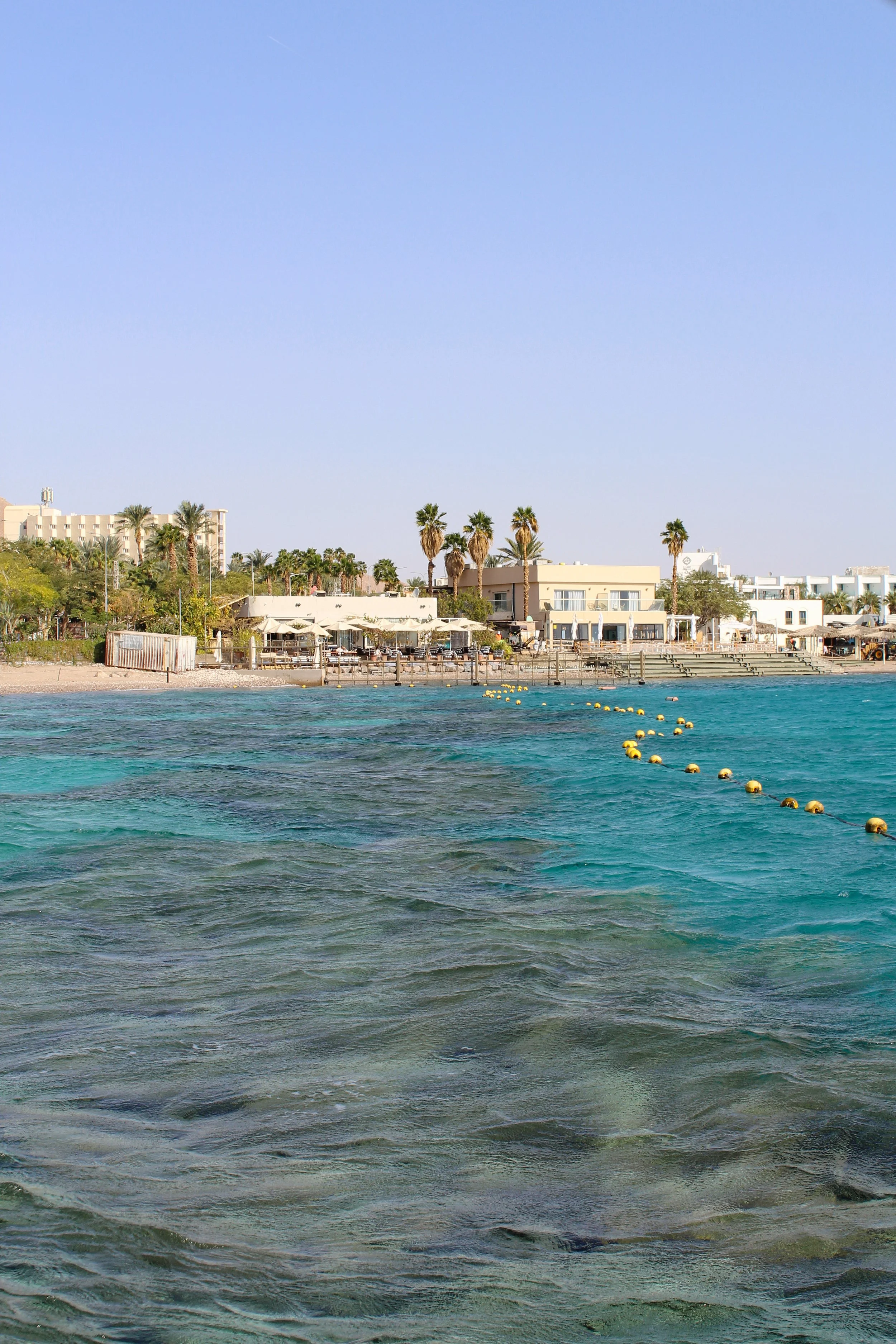
Eilat
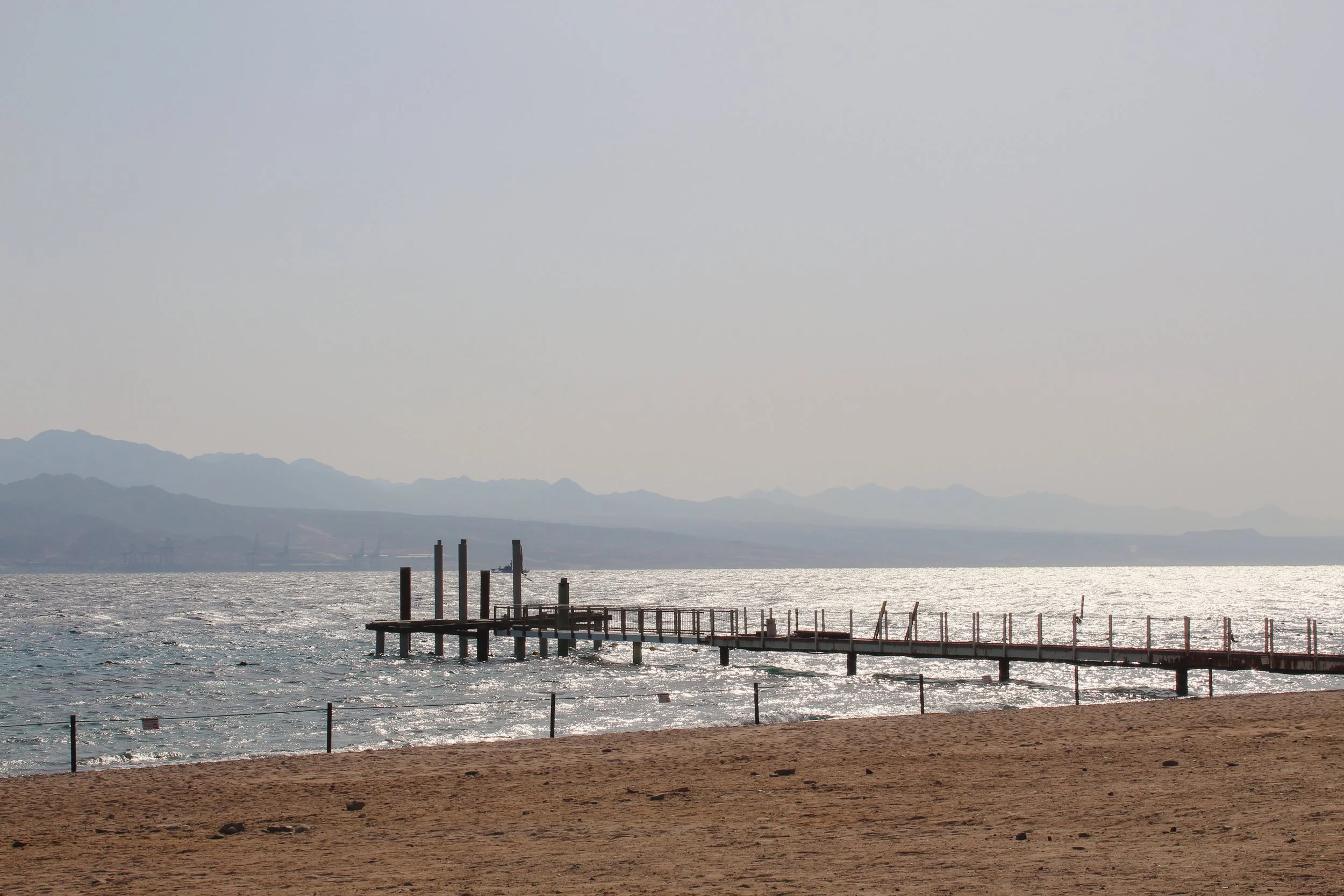
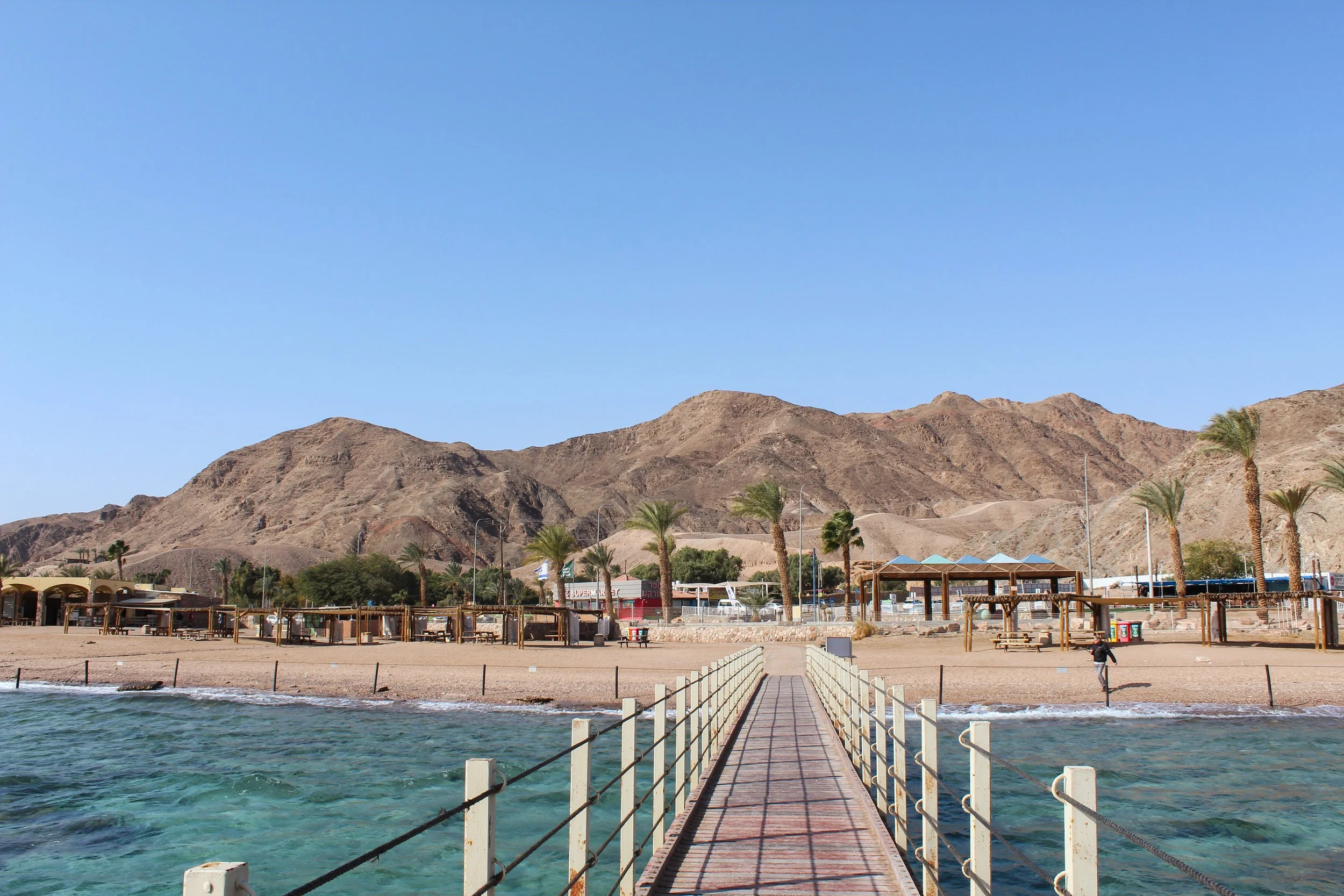
At Israel’s southernmost tip lies the modern city of Eilat, a vibrant port and resort destination located at the northern end of the Red Sea. Though known today for its gorgeous beaches, Eilat sits in a region rich with biblical history.
Standing along its shoreline, visitors can see multiple countries at once: Israel, Jordan, Egypt and Saudi Arabia. The location makes this small stretch of coastline a strategic geographic crossroad. Just across the narrow gulf lies the Jordanian port city of Aqaba.
In biblical times, the area near modern Eilat was known as Ezion Geber and was closely associated with the nearby town of Elath. This location appears several times in Scripture and played an important role in Israel’s wilderness journey and its later economic development as a kingdom.
During the time of the Exodus, the Israelites traveled through this region as they journeyed from Egypt toward the Promised Land. The book of Numbers records that the Israelites camped at Ezion Geber during their desert wanderings (Num. 33:35–36). Later, Deuteronomy recalls that the people passed by the road of Elath and Ezion Geber as they continued northward toward the land God had promised them (Deut. 2:8). These references place the site among the final stages of Israel’s long wilderness journey, as the nation stood on the threshold of entering the Promised Land.
The region gained even greater prominence during the reign of Solomon. His kingdom represented the height of Israel’s political strength and prosperity. His rule extended across a vast territory, and Ezion Geber became the southern gateway of that expanding influence. According to 1 Kings 9:26–28, Solomon built a fleet of ships at Ezion Geber with the help of skilled sailors sent by Hiram, king of Tyre. From this port, the ships sailed to the distant land of Ophir (the location of Ophir remains one of the great geographical mysteries of the Bible) and returned with large quantities of gold.
This maritime trade brought immense wealth to Israel and likely contributed to the splendor of Solomon’s kingdom, including the construction and adornment of the First Temple in Jerusalem. Ezion Geber thus served as a crucial hub linking Israel to trade routes that stretched across the Red Sea and into Africa and Arabia.
Control of Elath and the surrounding region shifted several times throughout Israel’s history. Kings of Judah, such as Uzziah, later rebuilt and strengthened the city, recognizing its importance as a strategic and economic gateway. The port’s position at the junction of major trade routes made it valuable not only for commerce but also for military and political influence.
In modern times, Eilat has grown from a small frontier outpost into a thriving city of more than 50,000 residents. Its port remains Israel’s southern maritime outlet to Asia and Africa, while its clear waters and coral reefs attract visitors from around the world.
Yet beneath the resorts and seaside promenades lies a landscape that echoes thousands of years of history, where Israelites once camped in the wilderness, where Solomon launched ships toward distant lands and where ancient trade routes connect nations across the desert and sea.