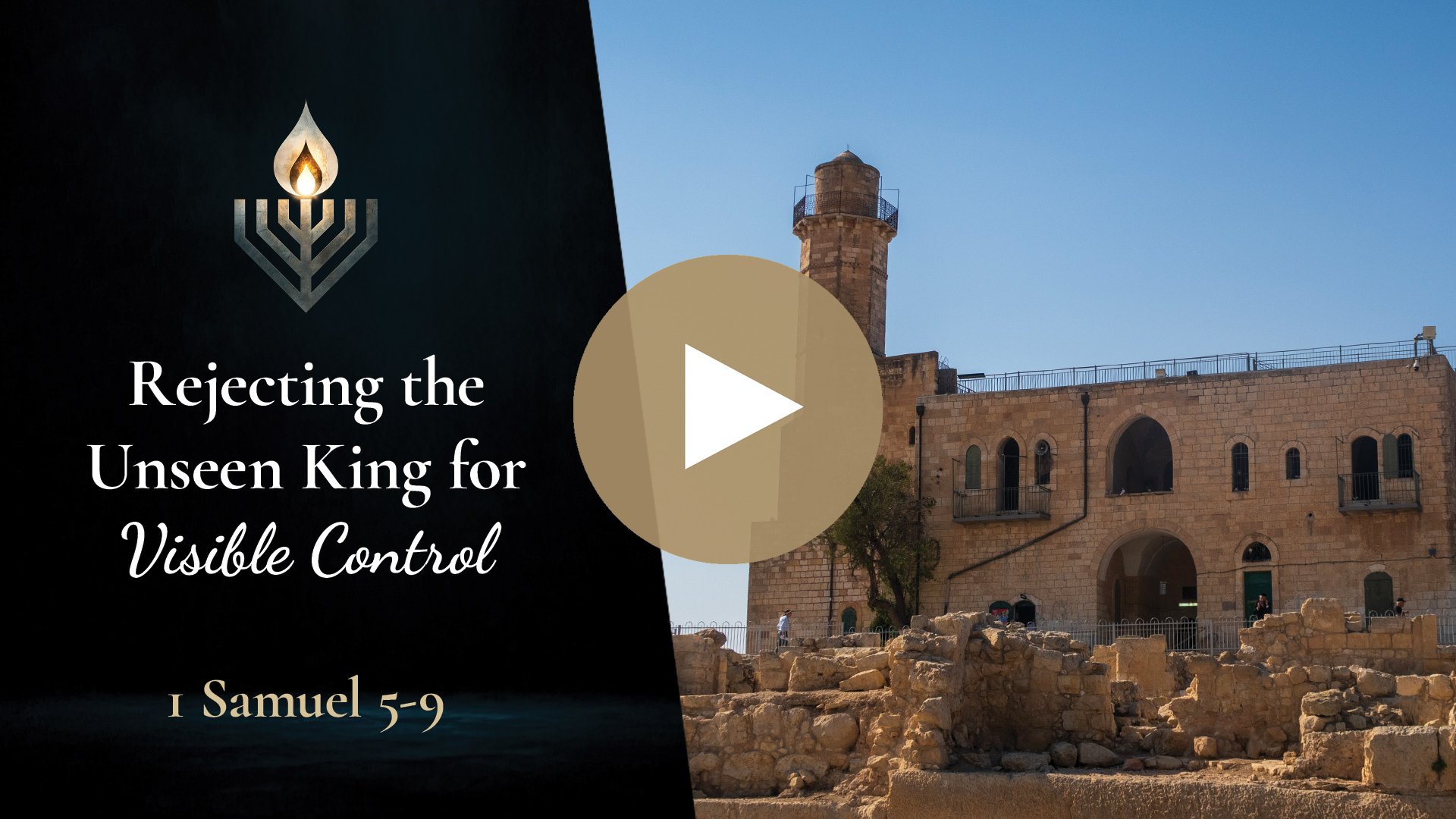
Rejecting the Unseen King for Visible Control
When Israel demanded a king “like all the nations,” they weren’t just asking for leadership; they were rejecting God as their King. In this powerful teaching from 1 Samuel 8, Reverend Nathan Williams explores the cost of conformity, the danger of choosing what seems right over what God says and the high calling of holiness. What happens when God’s set-apart people trade the unseen King for visible control? And what does that mean for us today?
(Click on the image below to view the teaching.)
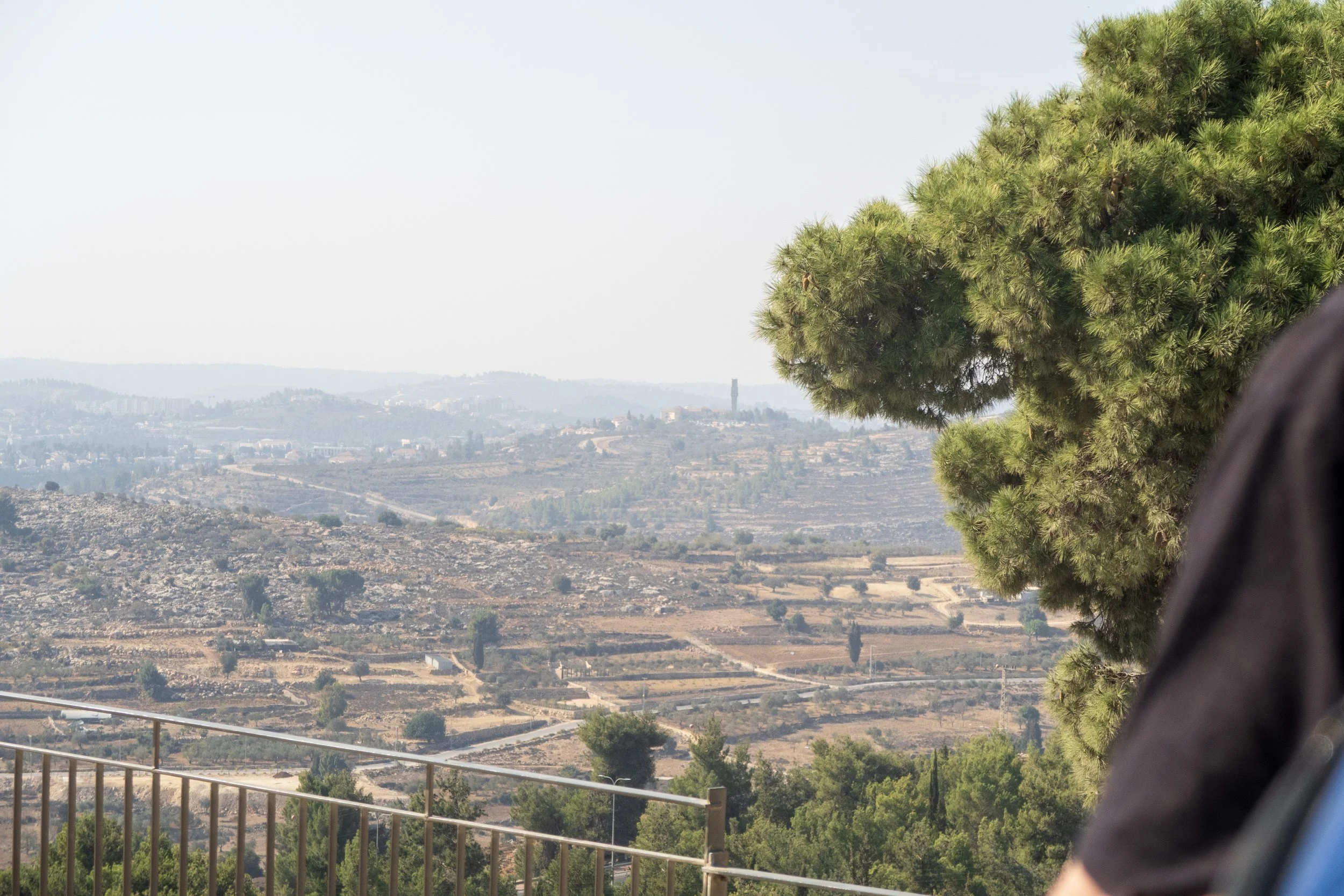
Nebi Samuel Park
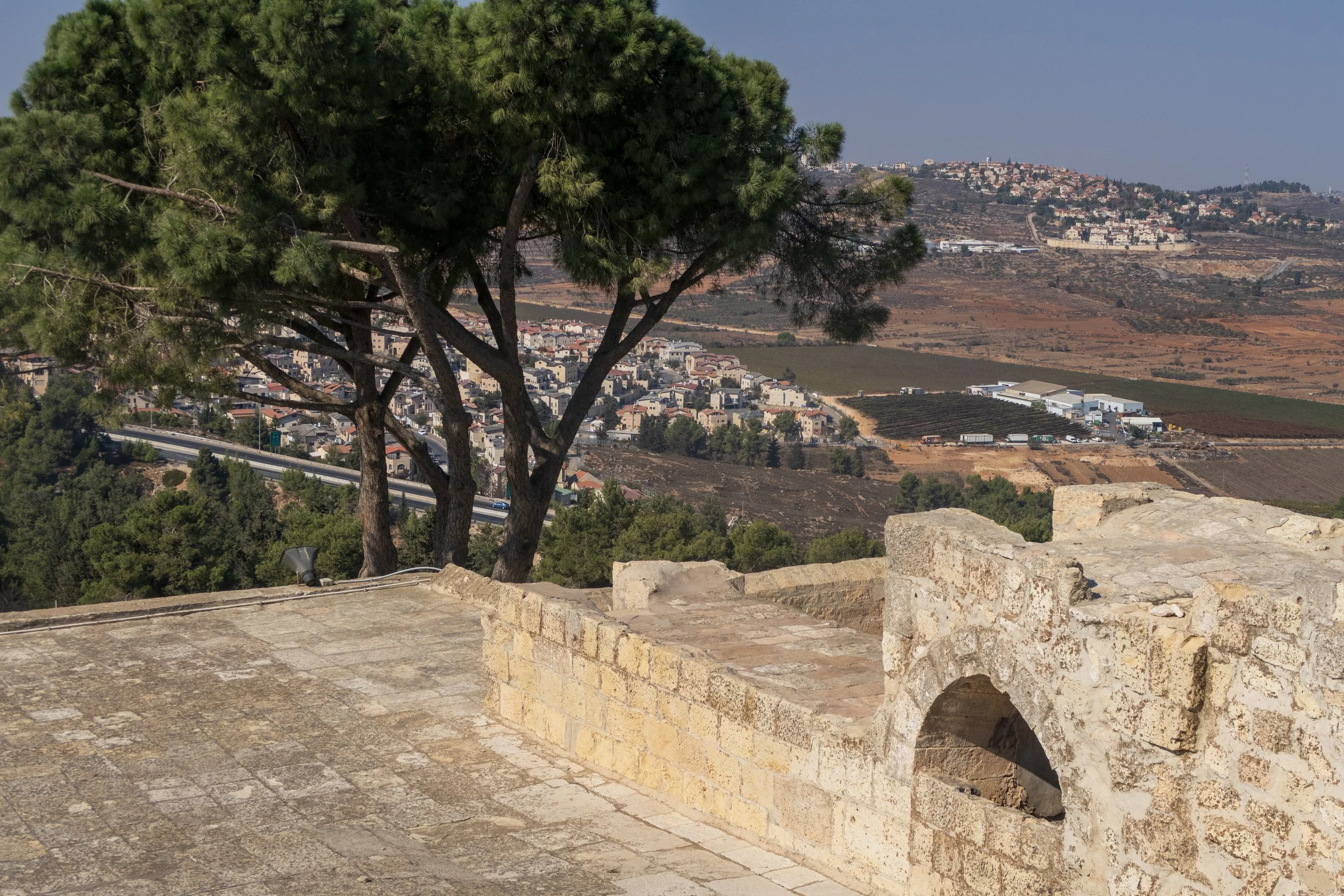
Perched on a prominent hill northwest of Jerusalem, Nebi Samuel Park overlooks the Judean hills and the ancient western approaches to the Holy City. From this commanding vantage point, it’s easy to see why the site has carried spiritual, strategic and historical significance for millennia.
Nebi Samuel is traditionally identified as the burial place of the prophet Samuel, the very prophet who anointed Israel’s first king. According to Scripture, Samuel was buried in Ramah, his hometown (1 Sam. 25:1; 28:3). While scholars debate Ramah’s exact location, Christian tradition since the Byzantine period has identified this hill as the prophet’s resting place, a tradition later embraced by Jews and Muslims as well.
Today, the tomb monument lies in a rock-hewn cave beneath the central structure. A mosque occupies the upper level, while a Jewish prayer area is located in the cave below, reflecting the site’s shared sacred status.
Standing here, the irony is striking: this is the prophet who warned Israel about the cost of demanding a king “like all the nations” (1 Sam. 8:5). From this hill, possibly biblical Mizpeh, Samuel gathered the people and declared Saul king (1 Sam. 10). Here, Israel’s transition from judges to monarchy may have unfolded, marking the moment when the people chose visible rule over the unseen reign of God.
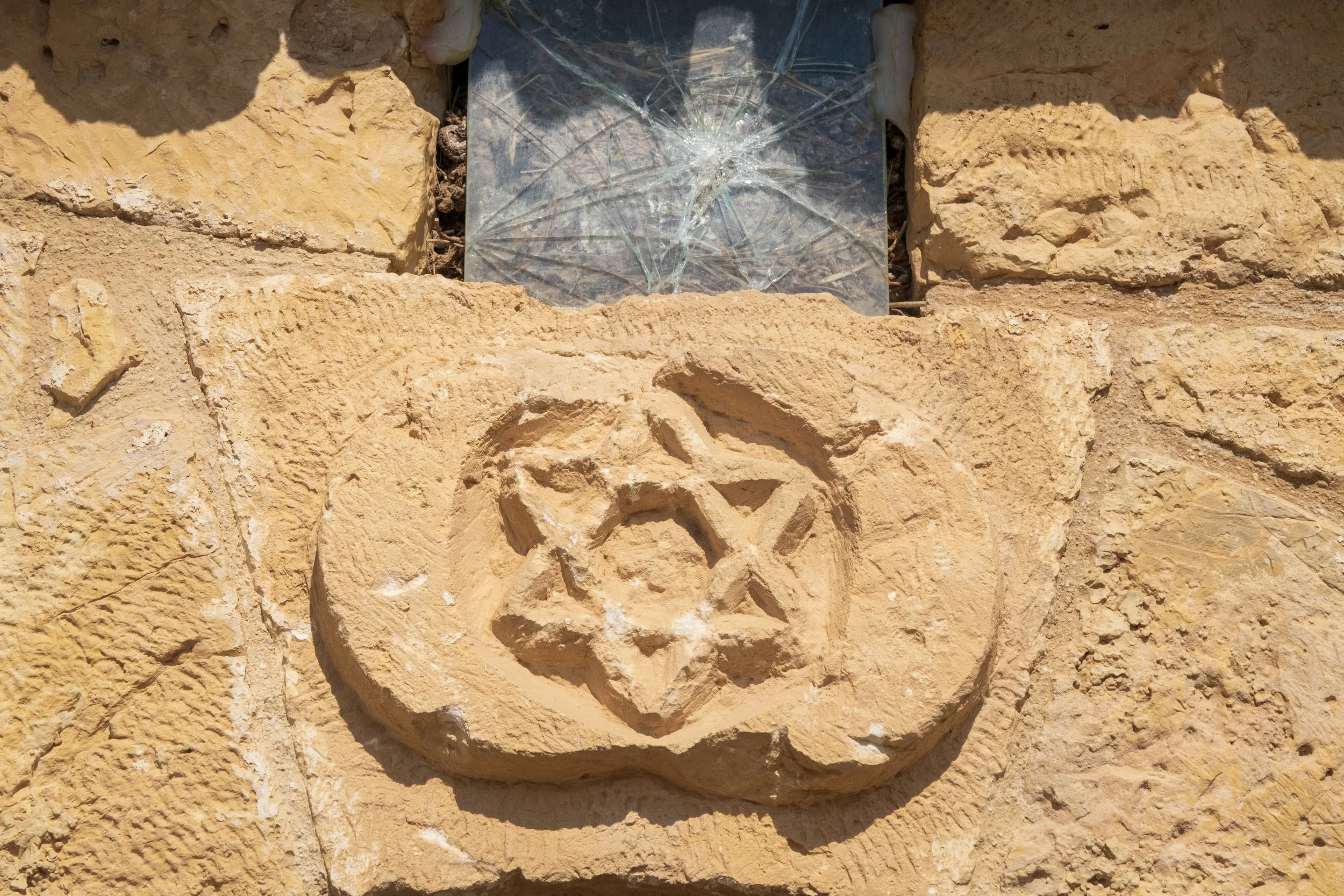
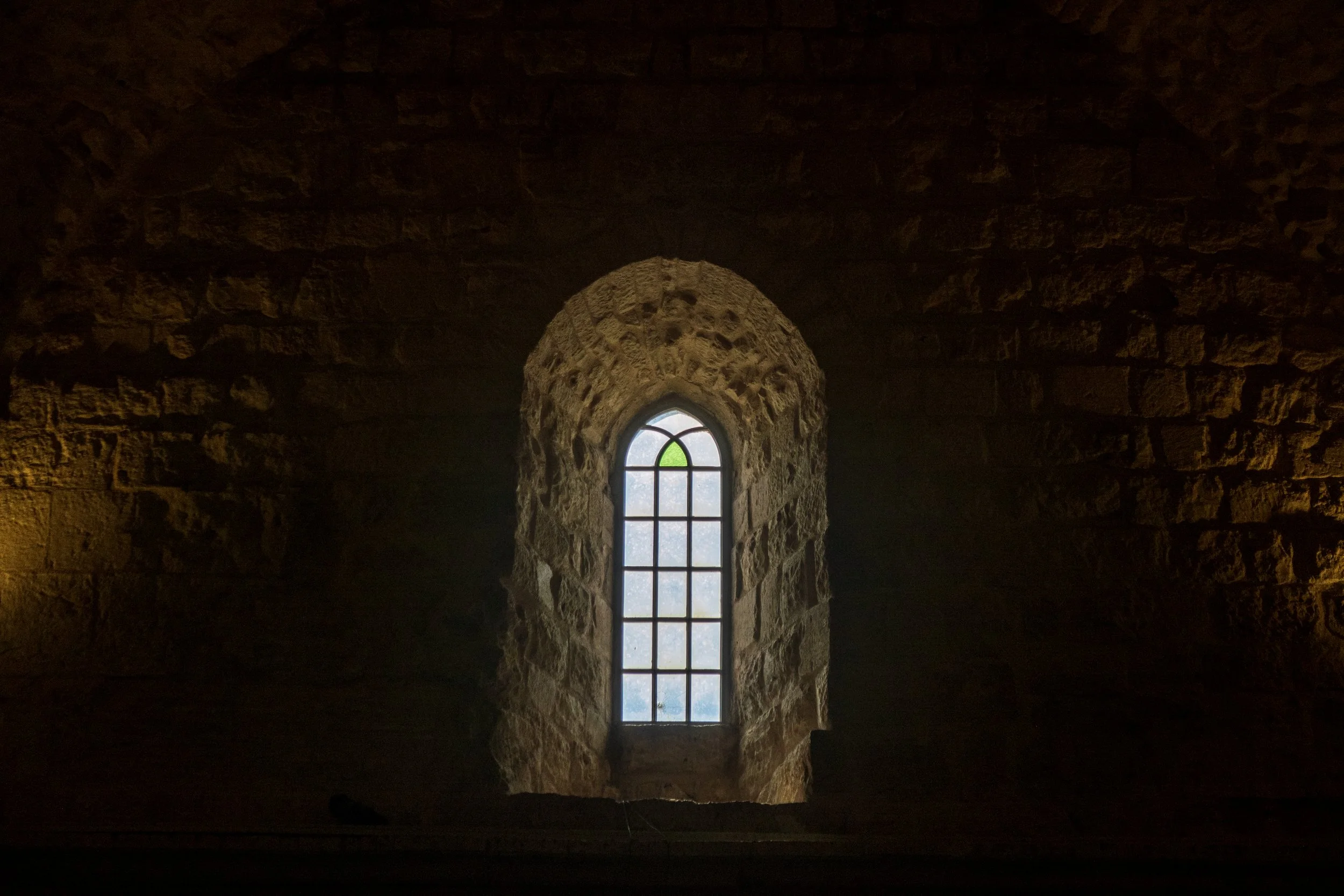
The impressive stone structure dominating the hilltop is largely the remains of a 12th-century Crusader fortress and church. When the Crusaders first glimpsed Jerusalem from this hill in 1099, they named it Mons Gaudii, the “Mountain of Joy.” They later built a massive rectangular fortress, cutting defensive moats into the bedrock and quarrying stone directly from the hill. Romanesque arches, thick masonry and vaulted halls still evoke the grandeur of that era. After the Crusaders were driven out, the building was damaged, rebuilt and eventually incorporated into a Mamluk mosque in the 14th century. The mosque was later renovated during the Ottoman and British periods.
Archaeology reveals that Nebi Samuel’s story stretches back much further. Excavations uncovered layers of settlement from the First Temple period (8th–7th century BC), the Persian period and the Hasmonean era. Beneath the Crusader layers lies a remarkably preserved Second Temple-period residential quarter from the second century BC. Two rows of buildings form part of a street in what was once a thriving Hasmonean town. Some walls still stand to an impressive height of 4 meters (13 ft.). Jar handles stamped with the word “yahad” suggest administrative activity during the Persian period.
To the south and west of the fortress are burial caves dating to the First Temple period and a Hellenistic road descending toward Hannah’s Spring, a small mountain spring flowing from a cave amid fig, olive and walnut trees. Tradition connects the spring with Hannah, Samuel’s mother. Nearby terraces reflect centuries of mountain agriculture, while remains of a Byzantine winepress, pottery kilns and a Crusader quarry testify to continuous life on this hill.
Whether memorial shrine, burial site or biblical Mizpeh, Nebi Samuel stands as a layered testimony to faith and choice. On this windswept hill, kings were anointed and kingdoms rose and fell. In the end, history answers not to kings or regimes, but to the faithful God who directs it all.