Stand with God and Israel—Just Like Ruth
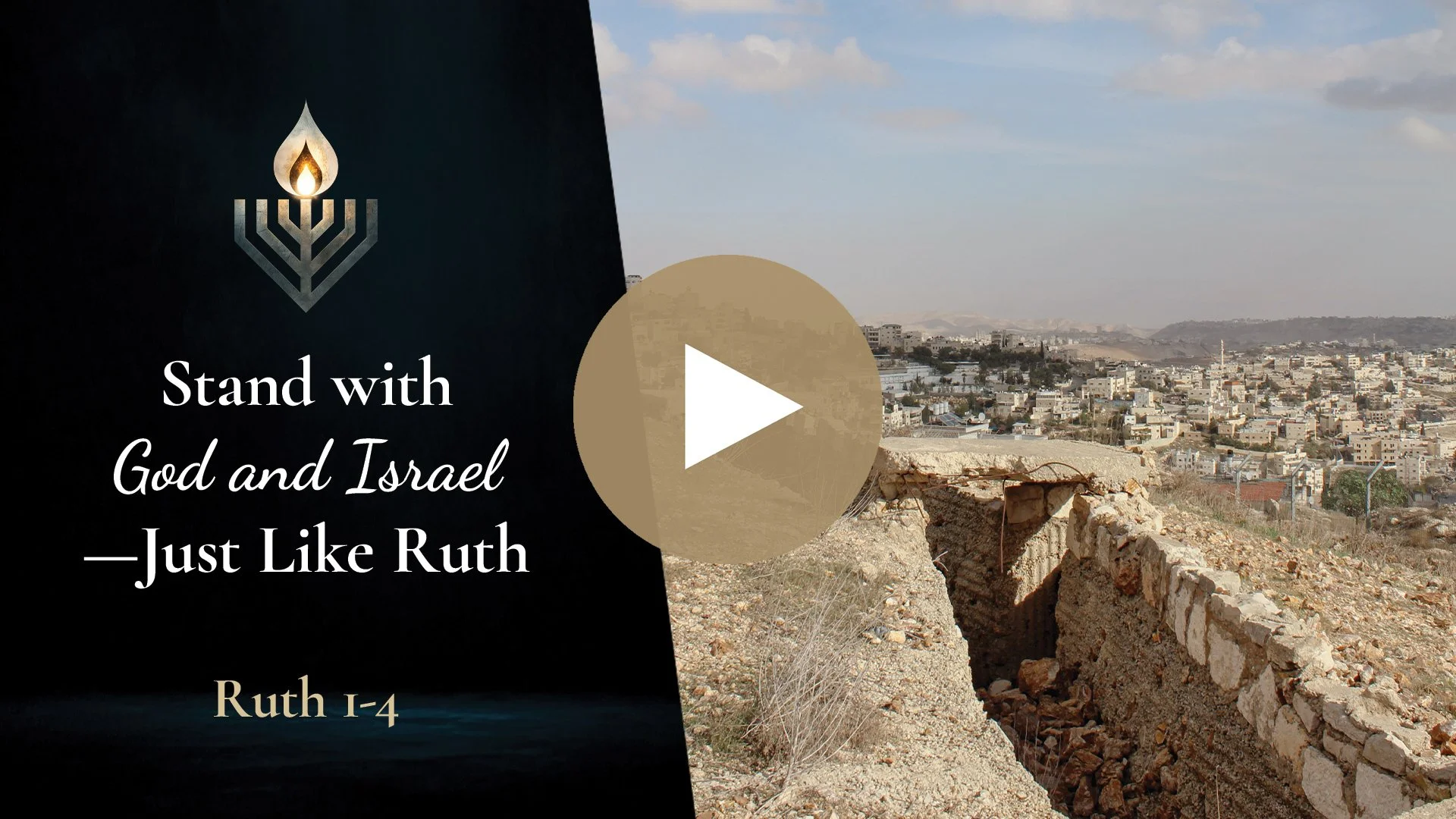
Set against the turbulent days of the Judges, the story of Ruth reveals the remarkable faith and loyalty of a Moabitess—and the extraordinary kindness of God in weaving her into His covenant story. Filmed overlooking Bethlehem as the Middle East once again trembles with war, this ancient account speaks with striking relevance to our own moment.
As headlines fill with fear, confusion and uncertainty, Ruth’s declaration still echoes across the centuries: “Your people shall be my people, and your God my God.” Her words call us to seek refuge under the wings of the God of Israel and to stand with His people in courage, faith and covenant loyalty.
(Click on the image below to view the teaching.)
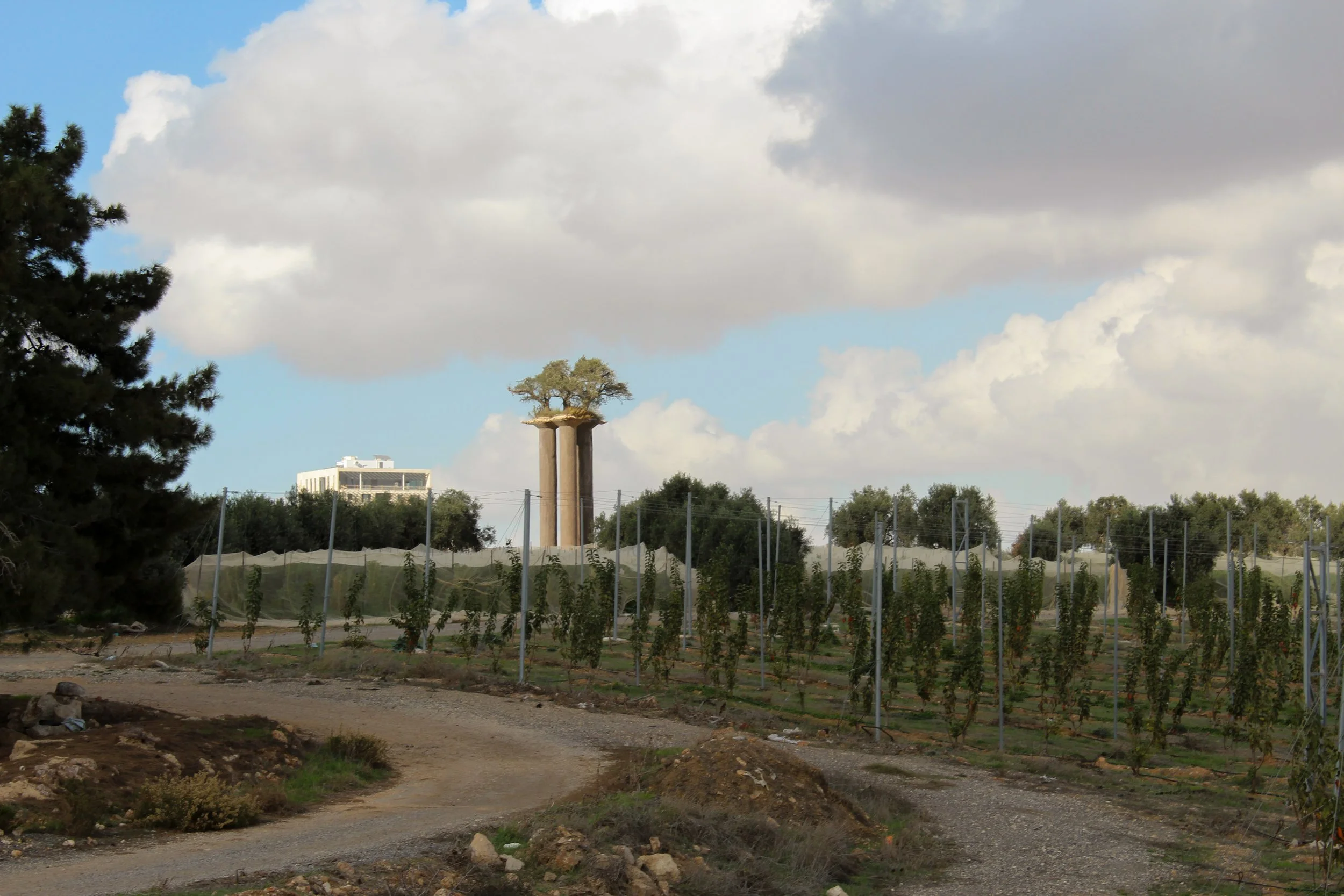
Ramat Rachel
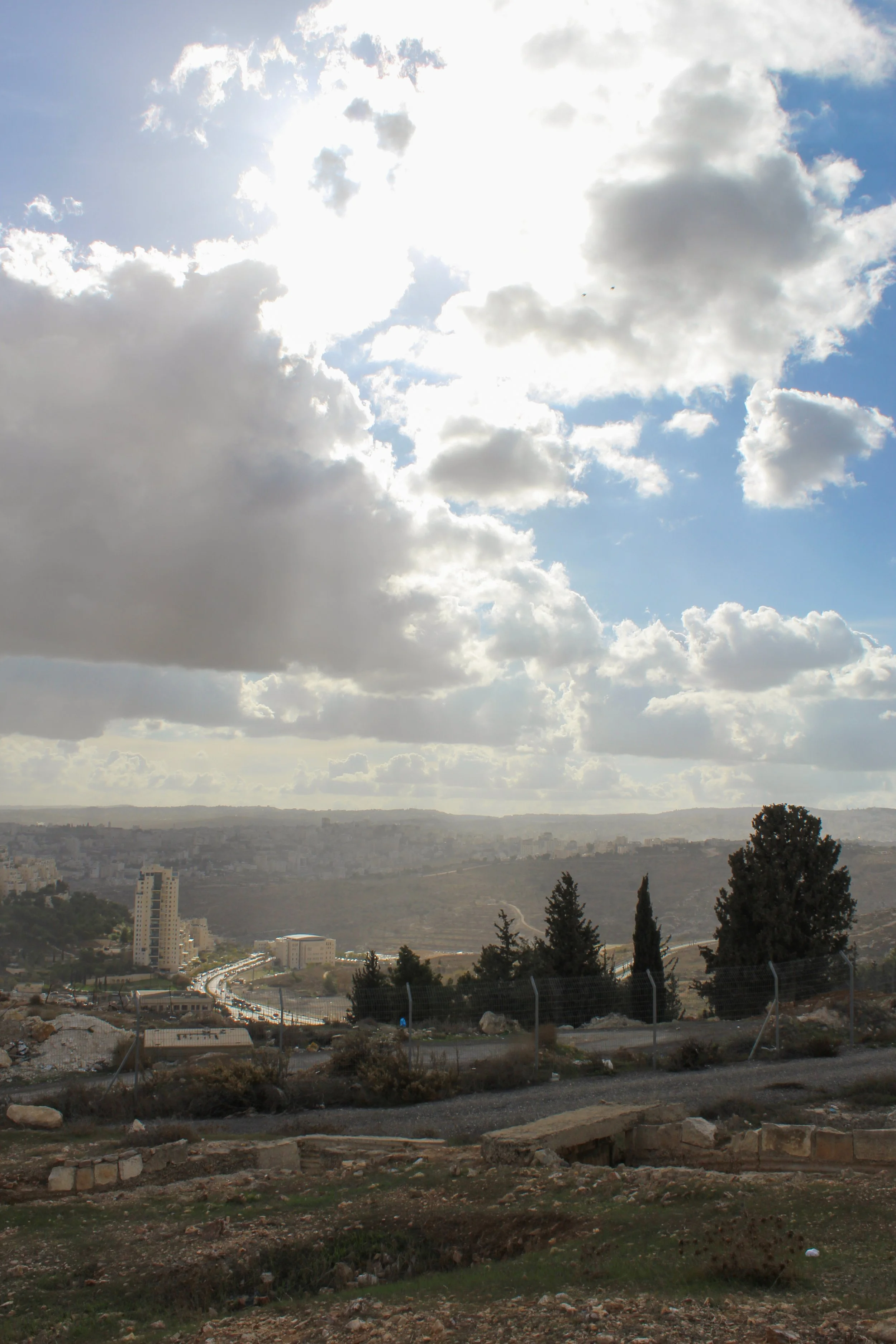
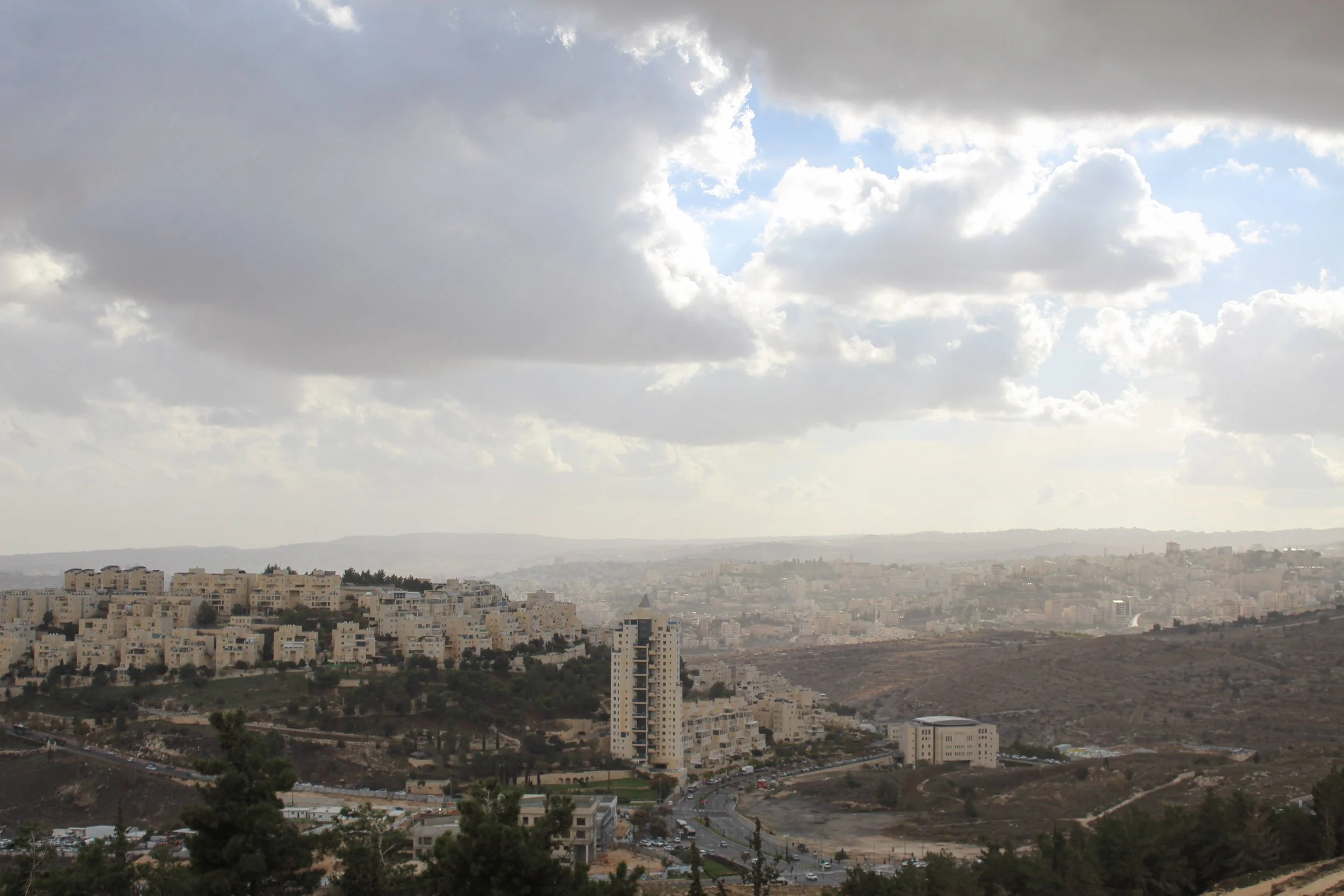
Filmed at Ramat Rachel, a kibbutz (collective community) in southern Jerusalem, this episode is set in one of the most layered and symbolically rich landscapes in Israel. From this pastoral hilltop, the land opens wide toward Bethlehem, the Judean Desert and the ancient road that has carried travelers, pilgrims, traders and armies between Hebron and Jerusalem for more than three millennia.
The name Ramat Rachel (“Rachel’s Heights”) echoes the memory of the matriarch whose tomb lies nearby in the Bethlehem area (Gen. 35:19). The road stretching below once carried families like Naomi and Ruth as they journeyed between Moab and Bethlehem, tracing paths of loss, faith and unexpected redemption across this very terrain.
Long before the modern kibbutz of Ramat Rachel was founded in 1926, this hill served as a strategic and administrative center in the days of the Judean kings. Archaeological excavations have uncovered the remains of a fortified palace complex dating back to the final centuries of the First Temple period, later reused and expanded by Assyrian, Babylonian and Persian authorities.
The remains of terraced gardens, water channels, stamped royal jar handles, ritual baths, a Roman bathhouse, a Byzantine church and an early Islamic farming settlement testify that this was never an incidental hilltop but a strategic site. Empires rose and fell here, each leaving its mark. While these dynasties have all passed into antiquity, this site endured as a center of life and governance overlooking Jerusalem’s southern approach. Through each era, people came and went, including Ruth, a foreigner welcomed into Israel and woven into its unfolding redemption.
The modern story of Ramat Rachel mirrors this ancient rhythm of destruction and rebuilding. The kibbutz was burned in the 1929 riots, destroyed again in the War of Independence and rebuilt by a small group who returned to a hilltop surrounded by borders and hostility. The kibbutz finally entered a period of calm after the 1967 Six Day War, when the borders shifted away from its edges and allowed the community to flourish.
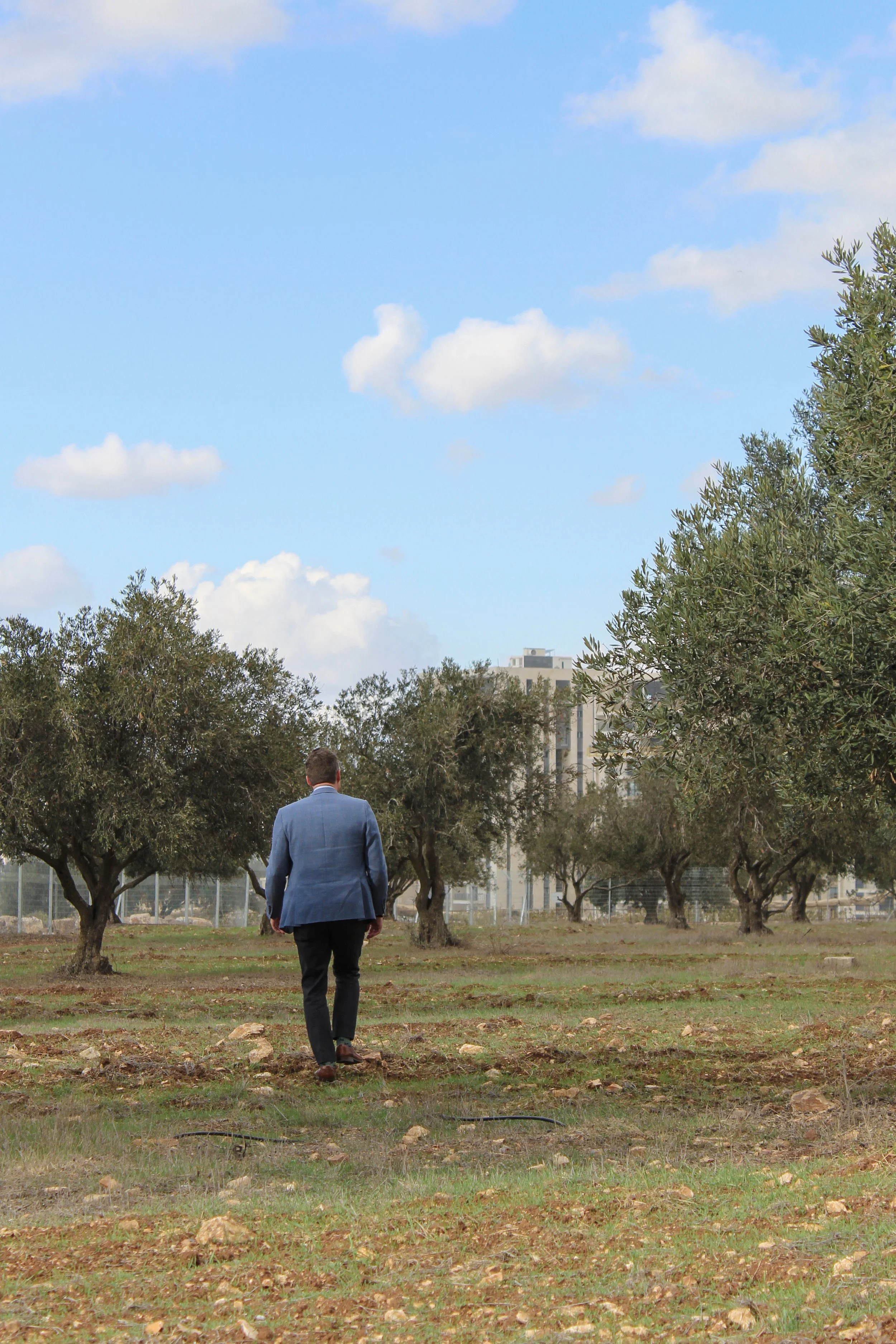
Today, the site blends archaeology, agriculture, community life and sweeping views into one living landscape where ancient palace ruins stand within walking distance of orchards, walking paths, sculptures and a thriving modern community. Like Ruth’s journey from loss to restoration, the life of this ridge tells a story of return, resilience and renewed hope after devastation.
This hill has witnessed seasons of authority and exile, cultivation and ruin, faithfulness and forgetting. Yet through every layer of occupation and upheaval, the land carries the memory of covenant, return and restoration.
Ramat Rachel quietly tells the story of endurance: a place claimed, contested, abandoned and reclaimed, yet never erased. It is a physical reminder that God’s promises spoken over the land did not vanish with shifting powers or passing generations. In this setting, where ancient stones meet modern footsteps, the enduring faithfulness of God’s Word feels less like an abstract idea and more like something written into the landscape itself.