Can Radical Obedience Still Change the World?
From the southern Hebron hills, Rabbi Yehudah Glick brings to life the biblical story of Israel’s first judge, a young warrior whose faith in God turned a pagan stronghold into holy ground. From Caleb’s steadfast courage to the collapse of a fortified pagan city, even the greatest obstacles crumble when ordinary people choose extraordinary obedience. Weaving Scripture, archaeology and modern Israel together, discover how God still uses human faithfulness to transform the world—and how choosing His ways today can echo into generations we cannot yet see, blessing lives and securing the inheritance He promised.
(Click on the image below to view the teaching.)
Otniel
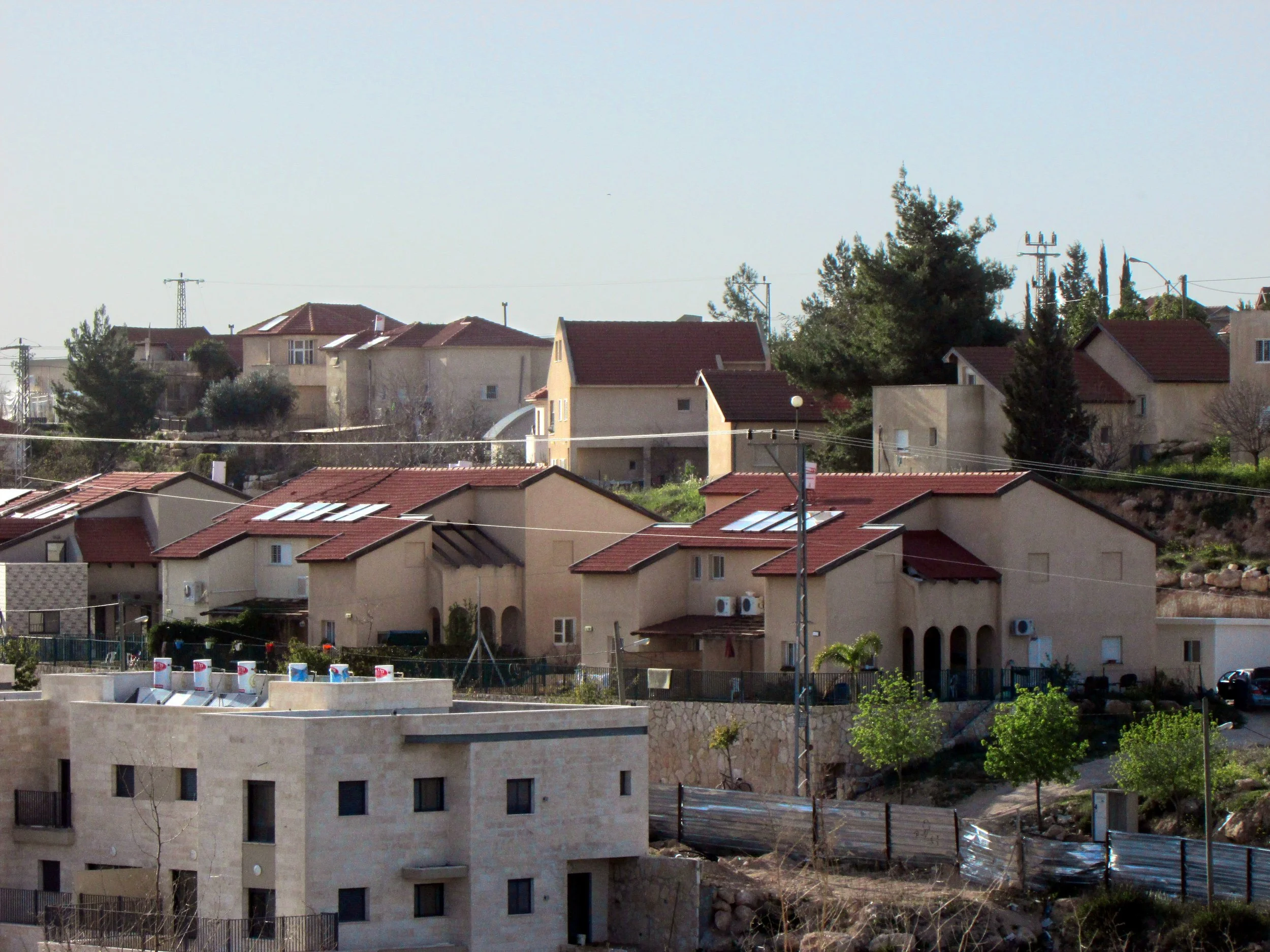
Located in the southern Hebron hills stands the modern Israeli community of Otniel. These rolling Judaean highlands, striking in their beauty, are layered with covenant and continuity stretching back more than three millennia. The community takes its name from Othniel ben Kenaz, the first judge of Israel, whose story unfolded on these very hills in the books of Joshua and Judges.
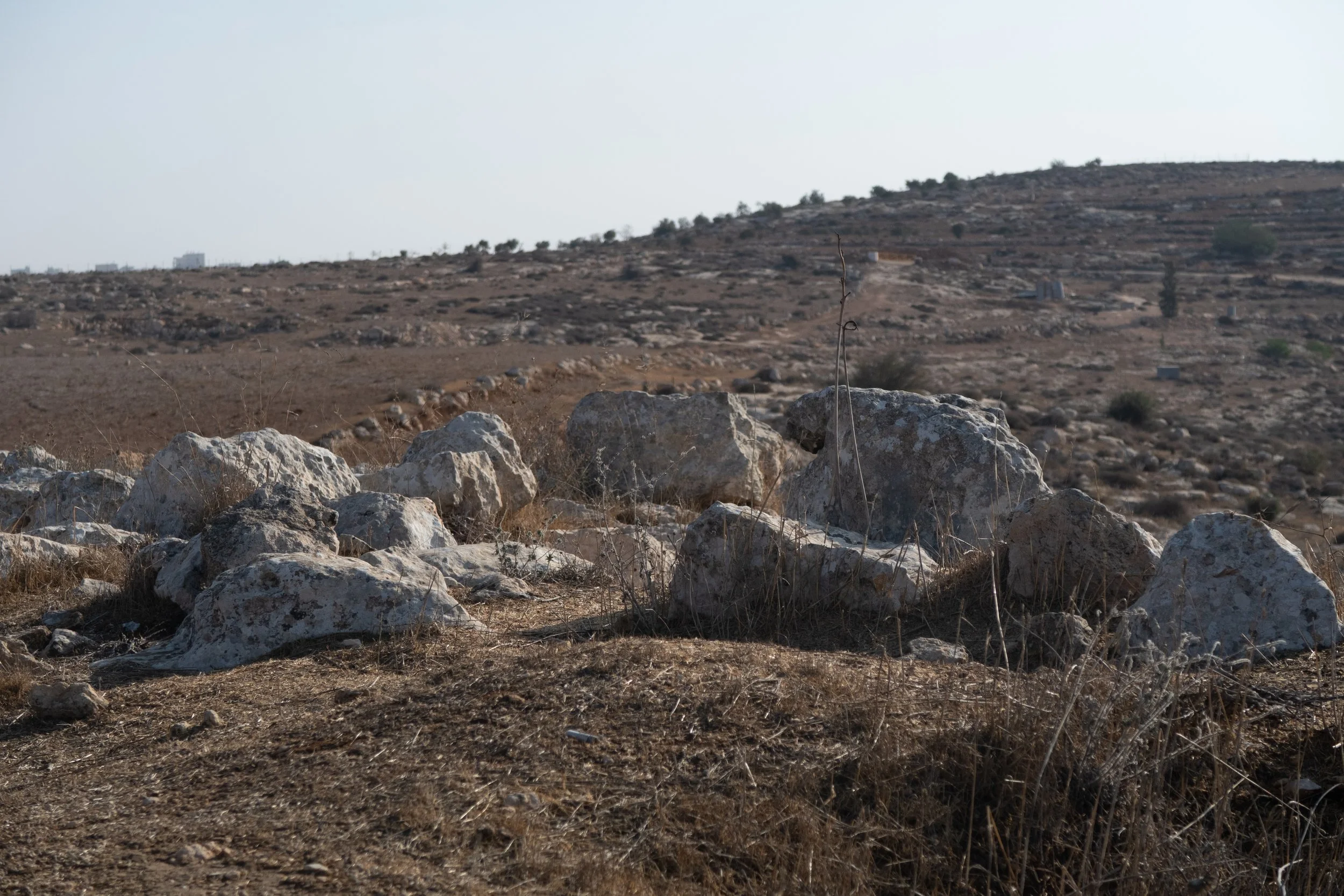
Just south of Otniel rises an ancient mound known today as Tel Debir, also called Khirbet Rabud by archaeologists. Remarkably, the Arabic name “Rabud” preserves the consonants of the ancient Hebrew name Debir (D-B-R), bearing witness to the enduring memory of the land. In the biblical period, this site was also known as Kiriath-Sepher, a fortified stronghold and center of pagan power (Josh. 15:15).
The biblical narrative brings us to this location through Caleb son of Jephunneh, one of the two faithful spies who trusted in the Lord’s promise when Israel first stood at the edge of the Promised Land (Numbers 13–14). After 45 years of waiting, Caleb—now 85 years old—claims his inheritance in the Hebron region (Josh. 14:10–12). One formidable city remains unconquered: Kiriath-Sepher. Caleb issues a bold challenge, promising his daughter Achsah in marriage to the one who captures it (Josh. 15:16).
The challenge is taken up by Othniel, Caleb’s nephew. Against significant odds, Othniel captures the city (Josh. 15:17; Judges 1:11–13). Following its conquest, the site is called Debir. In Hebrew, debir refers to the innermost chamber of the Temple, the Holy of Holies. The word is also rooted in dabar, meaning “to speak,” and can carry the sense of a divine word or oracle, which is particularly significant in contrast to the city’s former pagan identity.
Known previously as Kiriath-Sepher—“City of Books” or “City of Scribes,” from qiryah (city) and sepher (book or record)—the site once stood as a Canaanite center of learning and administration. However, following Othniel’s victory, a stronghold of pagan knowledge and power was transformed into a place whose very name evokes holiness, divine speech and sacred presence.
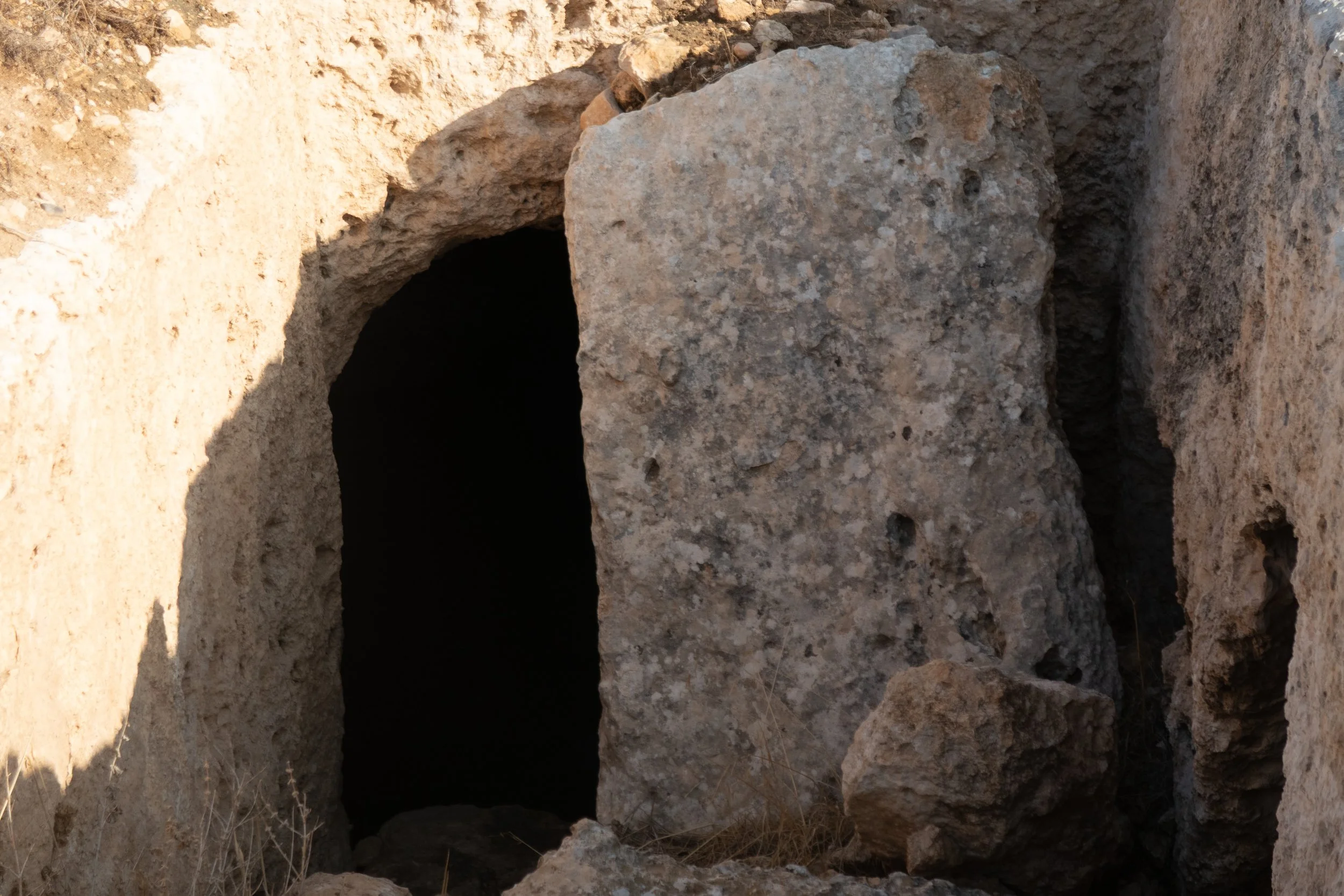
Archaeological excavations at Tel Debir support the biblical account. Massive fortification walls dating to the Late Bronze Age, a clear destruction layer from the 13th century BC and imported Mycenaean pottery testify to the city’s former wealth, strategic importance and sudden downfall, precisely as described in Scripture.
Yet Othniel’s story does not end with conquest. In the book of Judges, the Lord raises him up as Israel’s first deliverer after the people fall into idolatry and foreign oppression (Judges 3:7–11). Empowered by the Spirit of the Lord, Othniel defeats King Cushan-Rishathaim of Mesopotamia, ushering in 40 years of peace.
Today, Otniel is a living community in the Hebron Hills, home to families, schools and a prominent yeshiva (religious school) that combines Torah (Gen.–Deut.) study with service in the Israel Defense Forces. Modern life continues continues to thrive on the same ground where ancient faith and courage reshaped history, bearing witness to the enduring connection between the people of Israel, the land and the promises recorded in Scripture.