An Ancient Mirror for Current Events
How do the ancient prophecies of Ezra apply today? In this Ignite the Truth episode, Rabbi Jeremy Gimpel examines the striking similarities between the return of the Jewish people in Ezra’s day and what we are witnessing in Israel today. The same themes—exile, return, rebuilding, opposition and revival—are playing out again in ways that are hard to ignore. Join us as we uncover how ancient Scripture sheds light on current events, and what it reveals about God’s ongoing purposes for Israel.
(Click on the image below to view the teaching.)
Arugot Farm
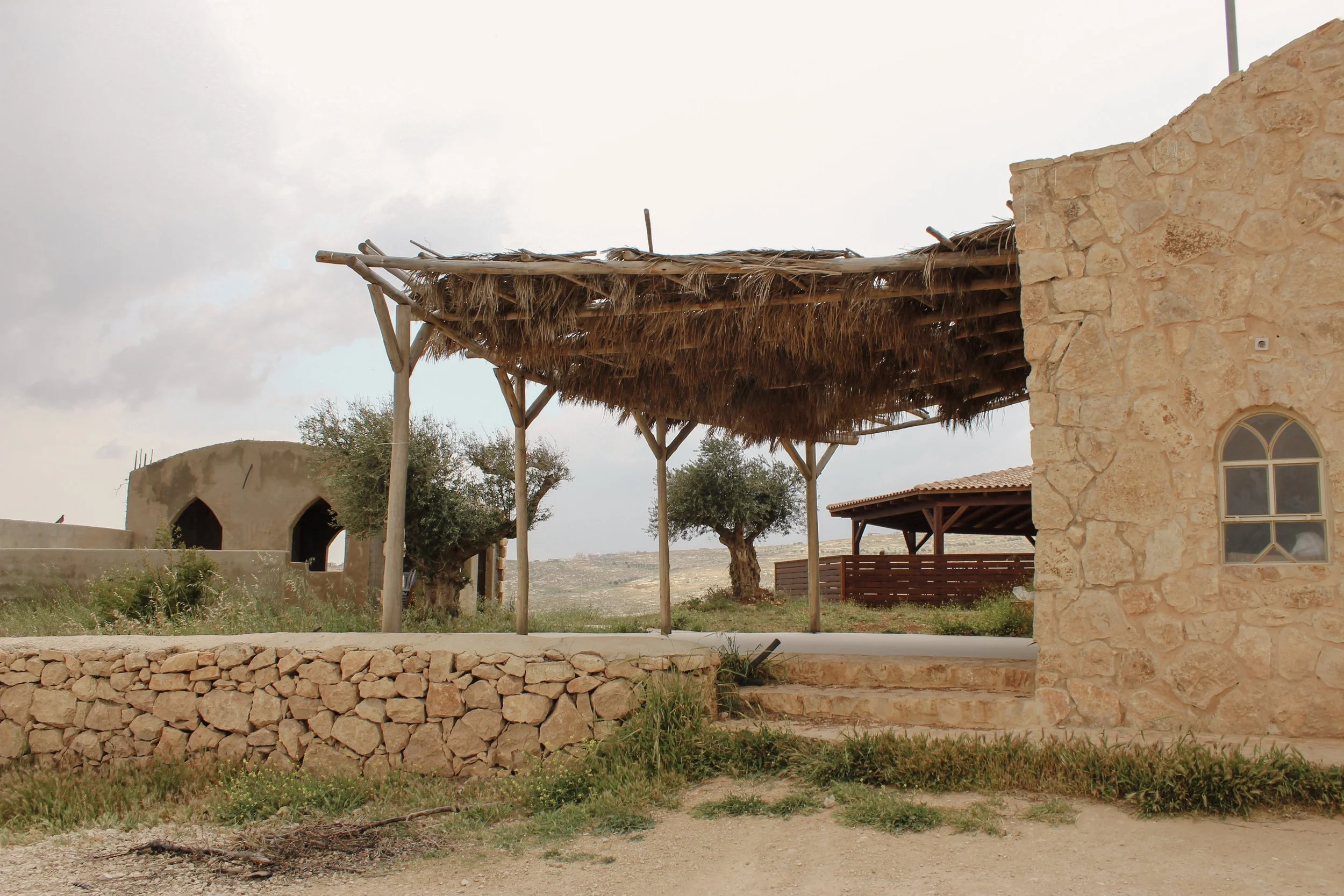
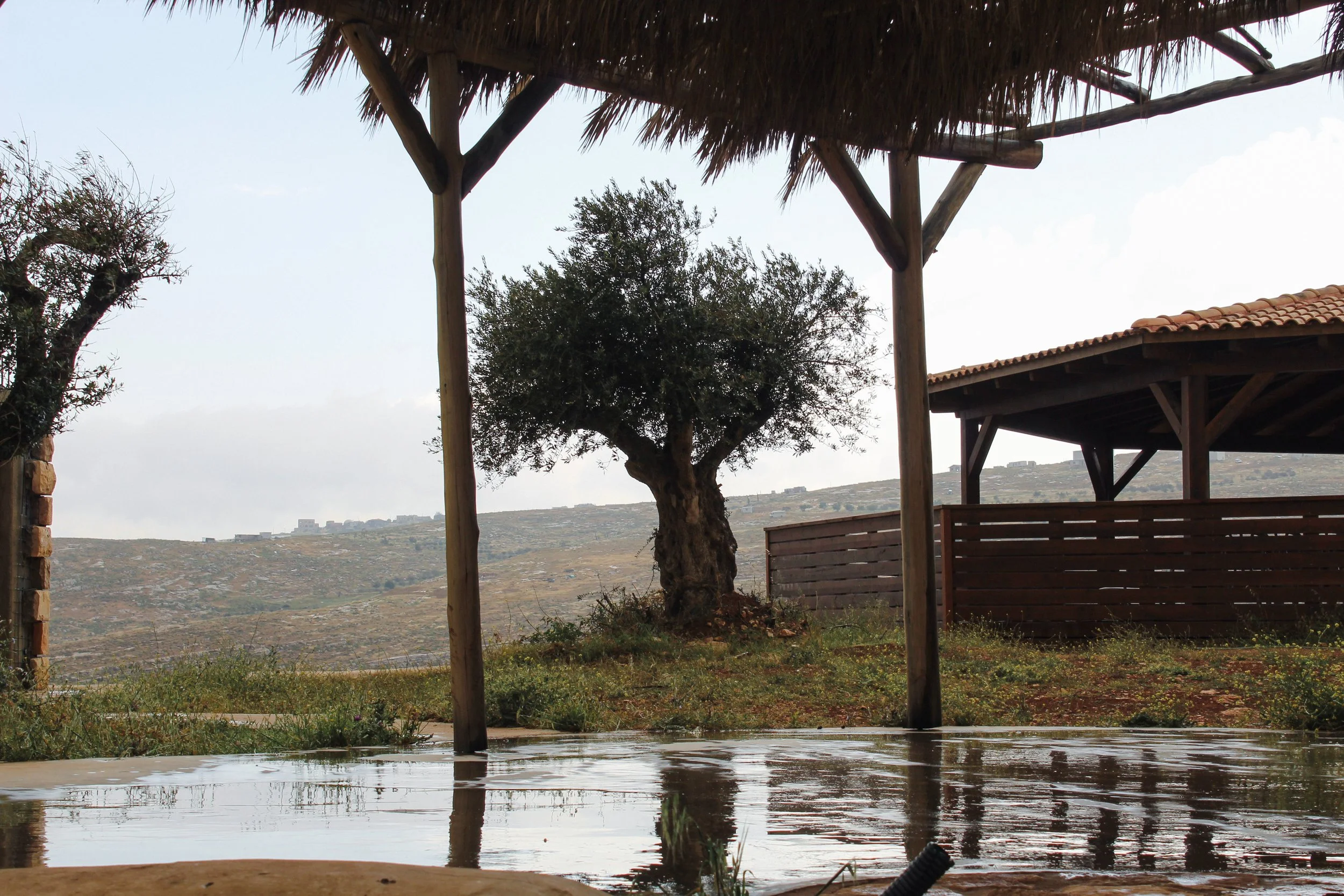
This episode of Ignite the Truth is presented by Rabbi Jeremy Gimpel and was filmed in the Judean Desert at Arugot Farm, which Gimpel co-founded along with other pioneer families.
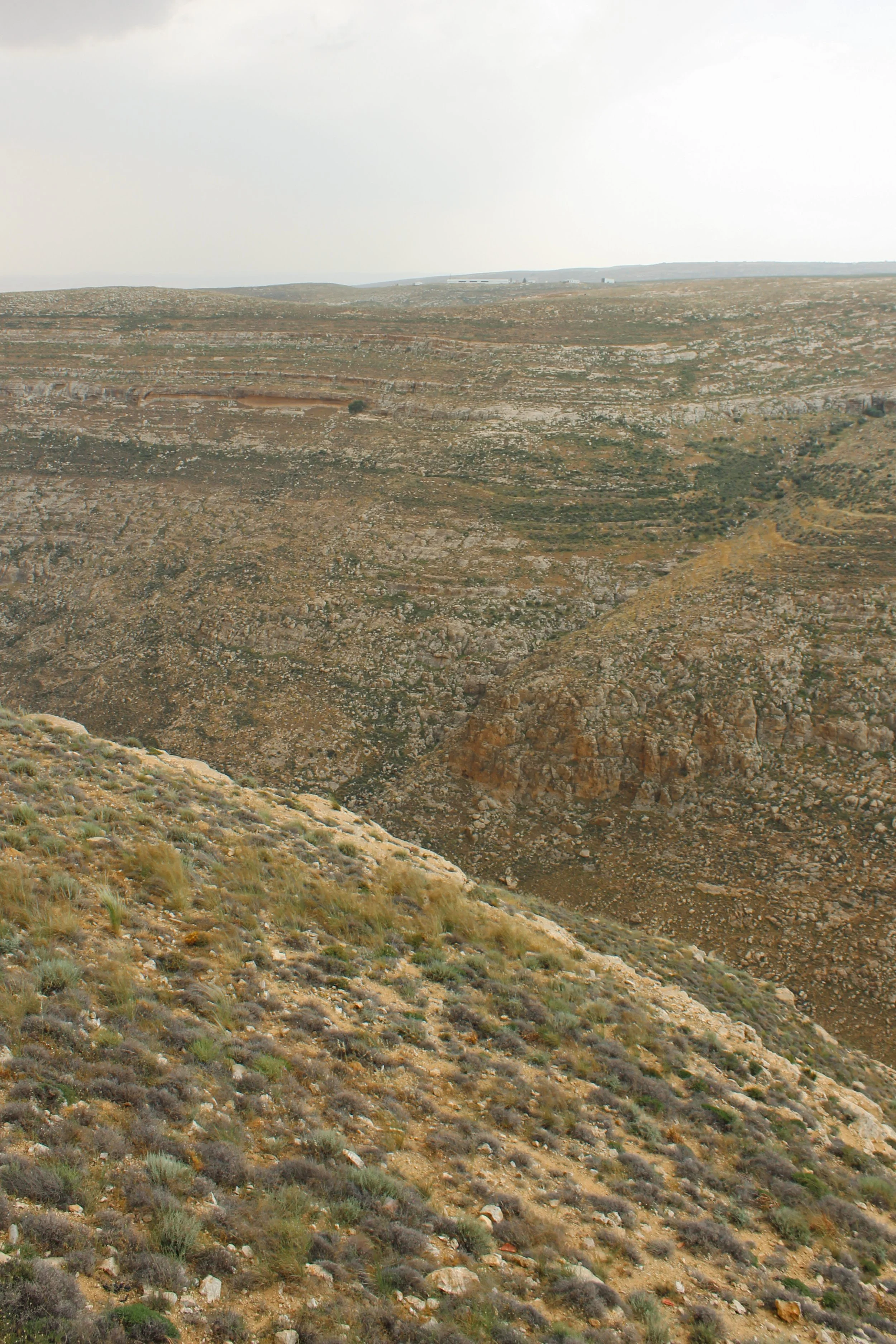
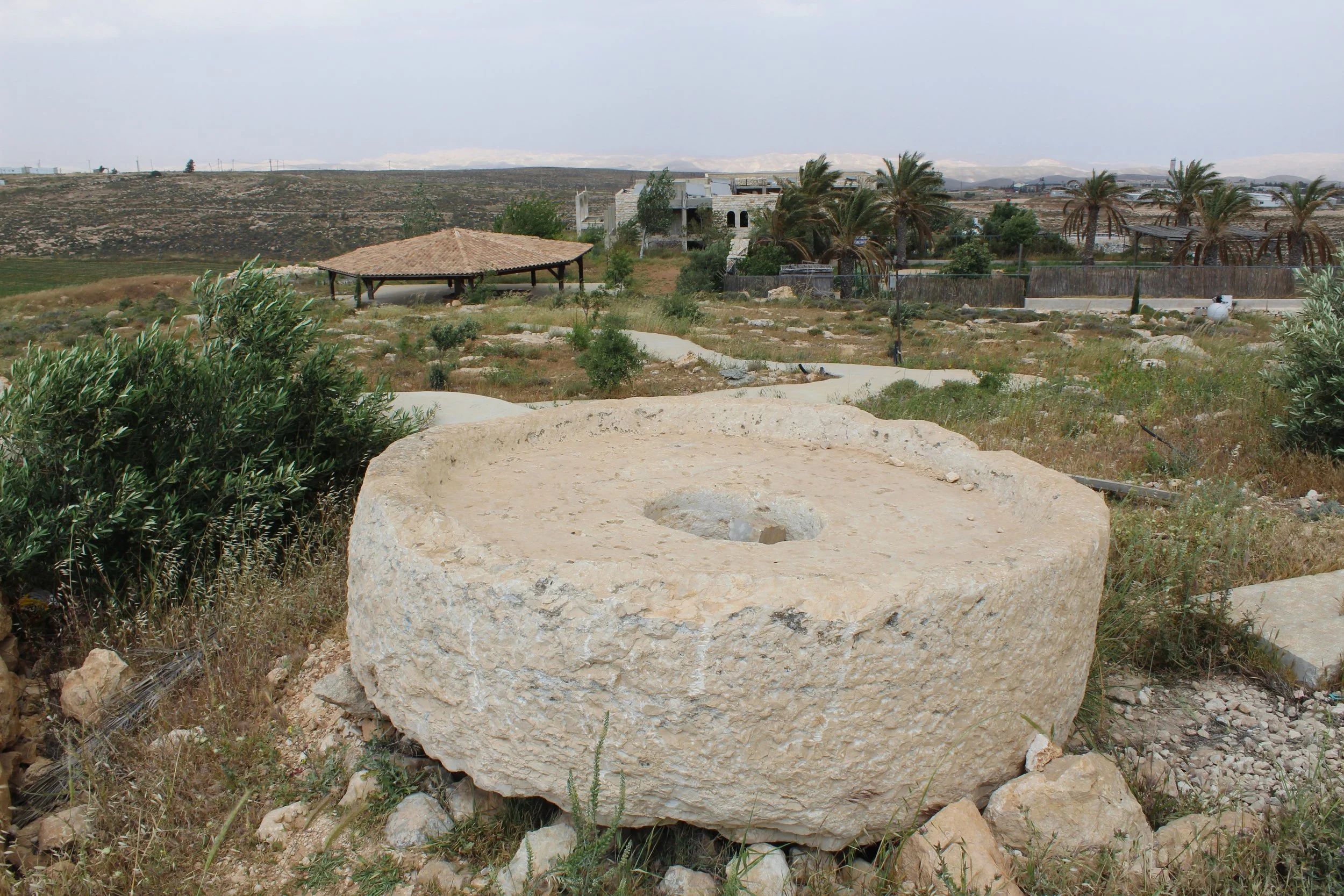
Located on the southeastern edge of Judea, about 30 minutes from Jerusalem, the farm sits atop a hill overlooking the Dead Sea and the Arugot (“garden beds”) Valley. The Arugot stream flows through the nearby Ein Gedi Nature Reserve before emptying into the Dead Sea. Surrounded by vast desert, the farm—particularly with its lush ecological pool—stands as an unexpected oasis in an otherwise dry landscape.
The Arugot Farm lies within the biblical Wilderness of Ziph, where David hid while fleeing from Saul. First Samuel 23:14–15 recounts the event: “And David stayed in the strongholds in the wilderness, and remained in the mountains in the Wilderness of Ziph. Saul sought him every day, but God did not deliver him into his hand. So David saw that Saul had come out to seek his life. And David was in the wilderness of Ziph in a forest.”
It was here, while sheltering from Saul’s desperate attempts to kill him, that David composed several psalms, particularly Psalm 54 in response to being betrayed when his hiding place was reported to Saul (1 Sam. 23:19–20) and Psalm 63, in which he meditates on God’s goodness and protection from enemies.
Now back up to the earlier verse, 1 Samuel 23:15: “…And David was in the wilderness of Ziph in a forest” (emphasis added). Today, this region appears anything but forested. Aside from cultivated areas like Arugot Farm, the Judean Wilderness is largely barren.
Yet historical and biblical records suggest this was not always the case. Scripture frequently references trees and forests. But as the people of Israel fell under judgment, so did the land. Ezekiel prophesied against the forest of the south (Negev) that the Lord would kindle a fire and scorch every green tree (Ezek. 20:45–47).
Sources like Michael Bar-Zohar note that centuries of war, neglect, deforestation and erosion stripped the land of its once-rich vegetation. Even Mark Twain famously observed in 1867 that he “hardly saw a tree anywhere.”
Yet Arugot Farm hints at restoration: small but tangible signs of life returning to the once barren land. In that sense, this landscape offers a glimpse of prophetic hope, standing almost as a preview of the vision of dry bones coming to life in Ezekiel 37.