What “The Joy of the Lord” Really Means
We often quote Nehemiah 8:10 when times are tough: "The joy of the Lord is my strength." But what if we've been missing the point? From Jerusalem’s ancient walls, Rev. Ilse Strauss explores chedvah, a rare Hebrew word appearing only twice in Scripture. Discover how Nehemiah's instruction was never about choosing positive feelings when life falls apart but rather about being joined to God Himself. The joy of the Lord isn't an emotion to generate but a fortress to enter, no matter what life brings.
(Click on the image below to view the teaching.)
The paintings at 05:05, 05:22, 05:35, 06:02, 06:22, 07:06 and 07:23 were created by artist Yehoshua Wiseman.
(To view or purchase his work, visit his website www.yehoshuawiseman.com)
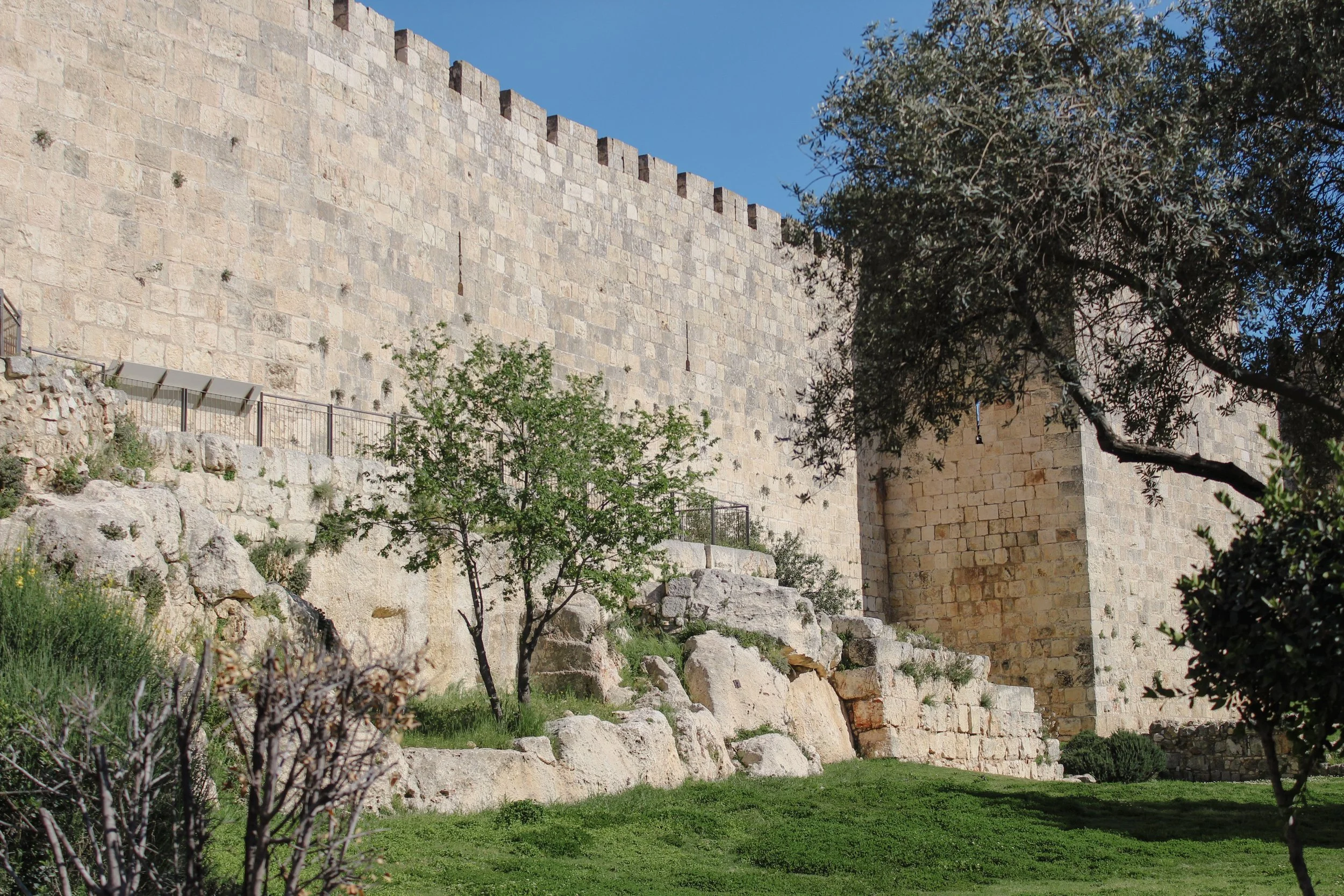
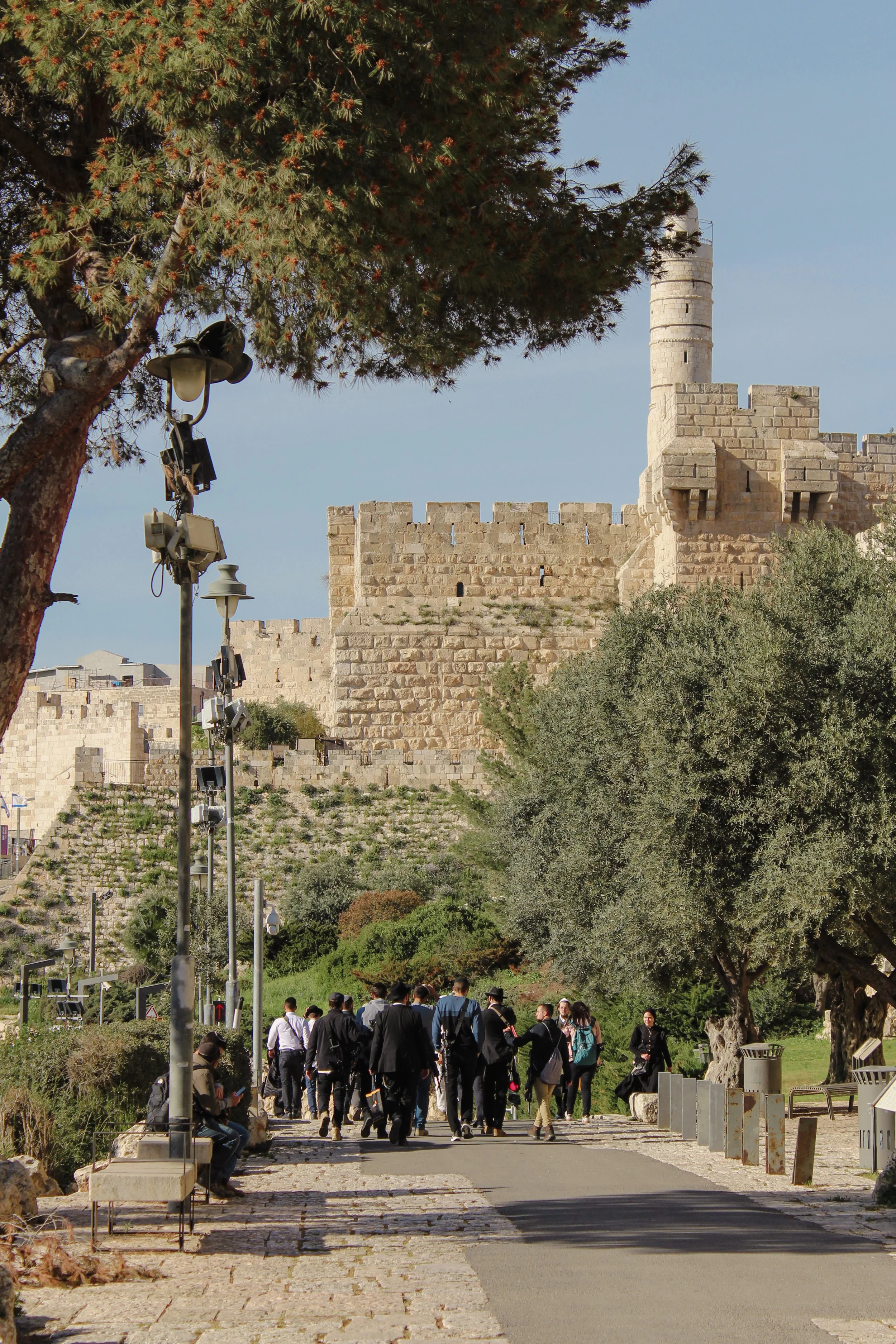
The Ramparts
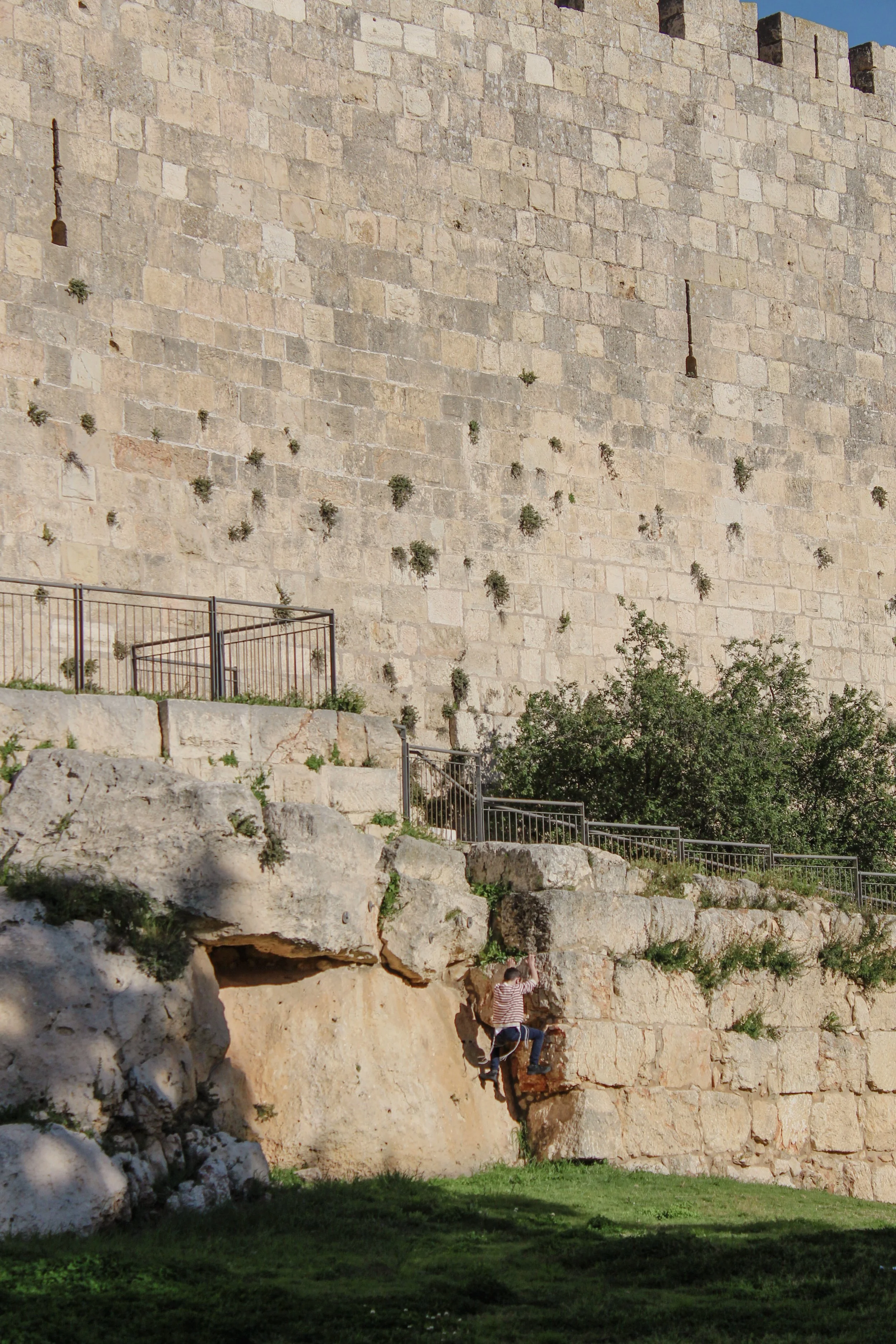
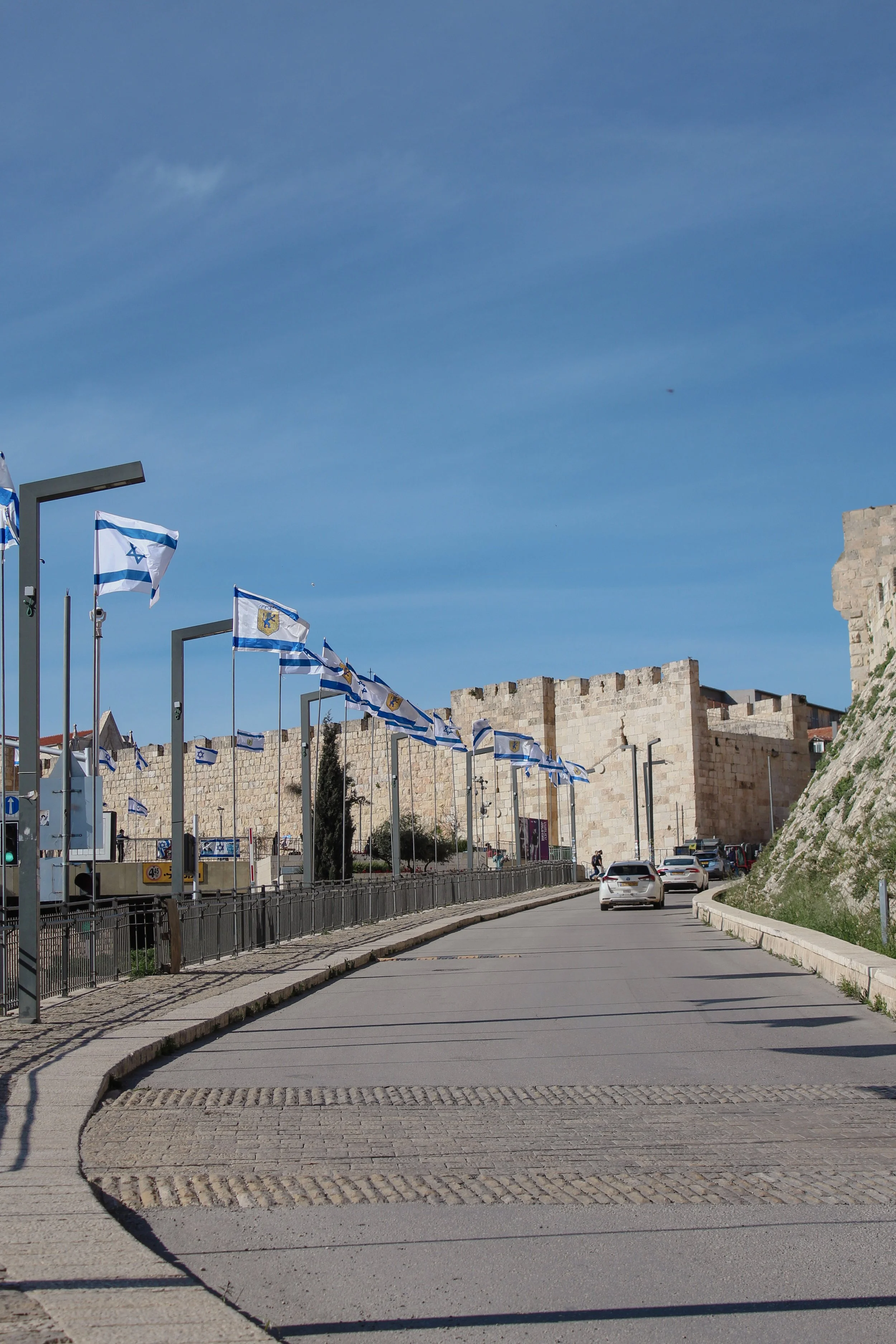
This Ignite the Truth episode, presented by Bridges for Peace Education Director Ilse Strauss, was filmed on the ramparts surrounding Jerusalem’s Old City, offering a unique, sweeping view of Israel’s capital from above. Though these are not the same walls that Nehemiah rebuilt, these stones still carry a powerful story.
Around 444 BC, Nehemiah returned to the Promised Land with a remnant of Jewish exiles to restore Jerusalem. Facing constant external threats, the people rebuilt the walls in just 52 days. Those walls stood for more than 500 years before being destroyed by the Romans in AD 70.
In the centuries that followed, Jerusalem passed through the hands of many foreign empires, each leaving its mark, rebuilding, reshaping and at times destroying the city’s defenses.
The walls we see today were constructed under Suleiman the Magnificent between AD 1537 and 1541, during the Ottoman period. Built to defend against invading forces, local threats and even the fear of a new Crusade, these walls have endured for centuries. The building project was long and dragged out, ending dramatically when the architects were executed for failing to include Mount Zion and the City of David within the walls.
Stretching about 2.5 miles (4 km.), these walls feature eight main gates and enclose the four quarters of the Old City: the Christian Quarter, the Muslim Quarter, the Jewish Quarter and the Armenian Quarter. The design reflects centuries of conflict, with defensive elements such as arrow slits openings for pouring hot oil onto invaders—a feature that was used against Roman invaders, according to Josephus.
The walls also incorporate remnants from earlier periods, including Hasmonean and Herodian structures, and still bear visible scars of more recent history, such as bullet holes near the Zion Gate from the 1967 Six Day War, when Jerusalem was finally reunified under Israeli control.
These stones tell a centuries-old story of wars, conflict, destruction, loss, hope and restoration. The beautiful Jerusalem stone that reflects the Middle Eastern sun and casts a glow over the City of Gold stands a testament to the enduring faithfulness of the God of Israel through judgment and restoration.
Let us echo the prayer that King David composed 3,000 years ago in Psalm 122:6–7, a Song of Ascents sung by pilgrims on their way up to Jerusalem: “Pray for the peace of Jerusalem: ‘May they prosper who love you. Peace be within your walls, prosperity within your palaces.’”