God Is God, and We Are Not
Join Reverend Terry Mason as he dives into the book of Job, a thought-provoking story that challenges everything we think we know about God. Why do the righteous suffer? What do we do when God seems silent? Instead of offering tidy explanations, Job leads us to something deeper: an encounter with the living God and a deeper understanding of who He is.
(Click on the image below to view the teaching.)

The Hill of Evil Counsel
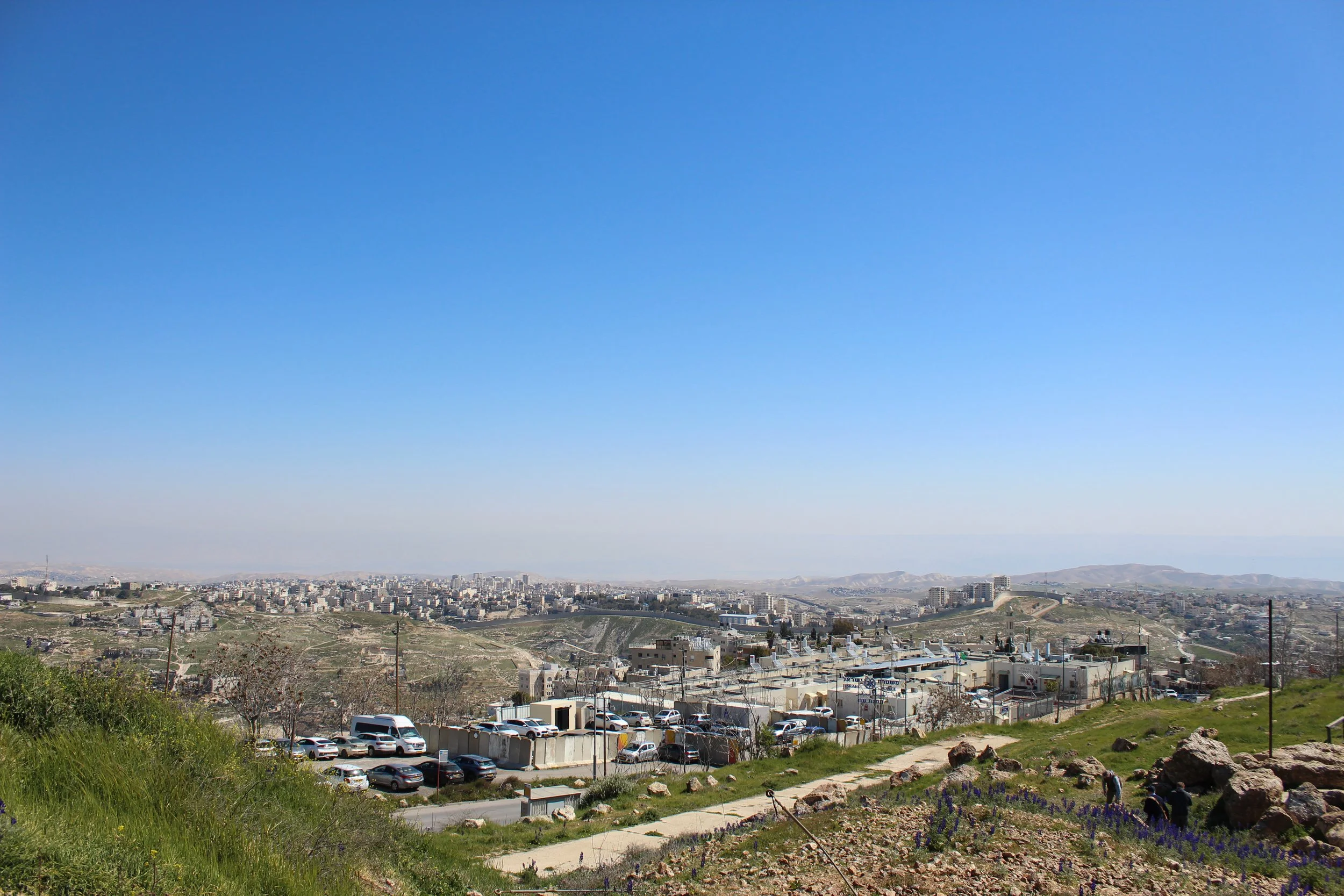
This Ignite the Truth episode was filmed south of Jerusalem’s Old City. In the video, Reverend Terry Mason tackles the book of Job and the challenging questions it raises. Job 1:1 places the story in the land of Uz, an ancient region believed to have been in southern Jordan or somewhere in the Arabian desert. Its exact location remains uncertain.
Yet this episode was filmed in a setting that feels fitting for Job’s themes: a place known as the Hill of Evil Counsel.
The hill earned its name from a legacy of destructive advice associated with it. It is linked to the rebellion of King David’s son, Absalom (2 Sam. 15–18). As Absalom plotted to overthrow his father, he relied on several advisors, including Ahithophel, once a trusted counselor to David (2 Sam. 15:12). When David learned of Ahithophel’s betrayal, he prayed that his counsel would be turned to foolishness (2 Sam. 15:31). The rebellion ultimately failed and ended in Absalom’s violent death.
This is also believed to be the site where the high priest Caiaphas and his council plotted against Jesus (John 11:47–53) as well as where Judas agreed to betray Him (Luke 22:3–6).
The hill overlooks the Valley of Hinnom, a place marked by darkness and evil. Here, under wicked kings, ancient Israelites practiced idolatry and child sacrifice (2 Chron. 28:3, 33:6), making it a powerful symbol of judgment (Isa. 66:24, Jer. 7:31–34, 32:34–35). These events gave rise to the term “Gehenna,” the Greek form of Hinnom, used in the New Testament, most often by Jesus, as a vivid image of eternal judgment.
While Job’s friends did not act with the same malicious intent as Absalom, Ahithophel, Caiaphas or Judas, their counsel still caused harm. Their interpretations of Job’s predicament and God’s purposes missed the mark, offering words that wounded rather than comforted.
Though this is not where Job’s story took place, it remains an appropriate setting for reflecting on misguided counsel.
During the British Mandate, the Government House stood here as the residence of the British High Commissioner. After the establishment of the modern State of Israel, the British transferred the building to the Red Cross, which later handed it over to the United Nations. Today, it serves as the UN’s Israel headquarters, a seemingly perfect fit for the nefariously named hill and in keeping with the theme of evil counsel.
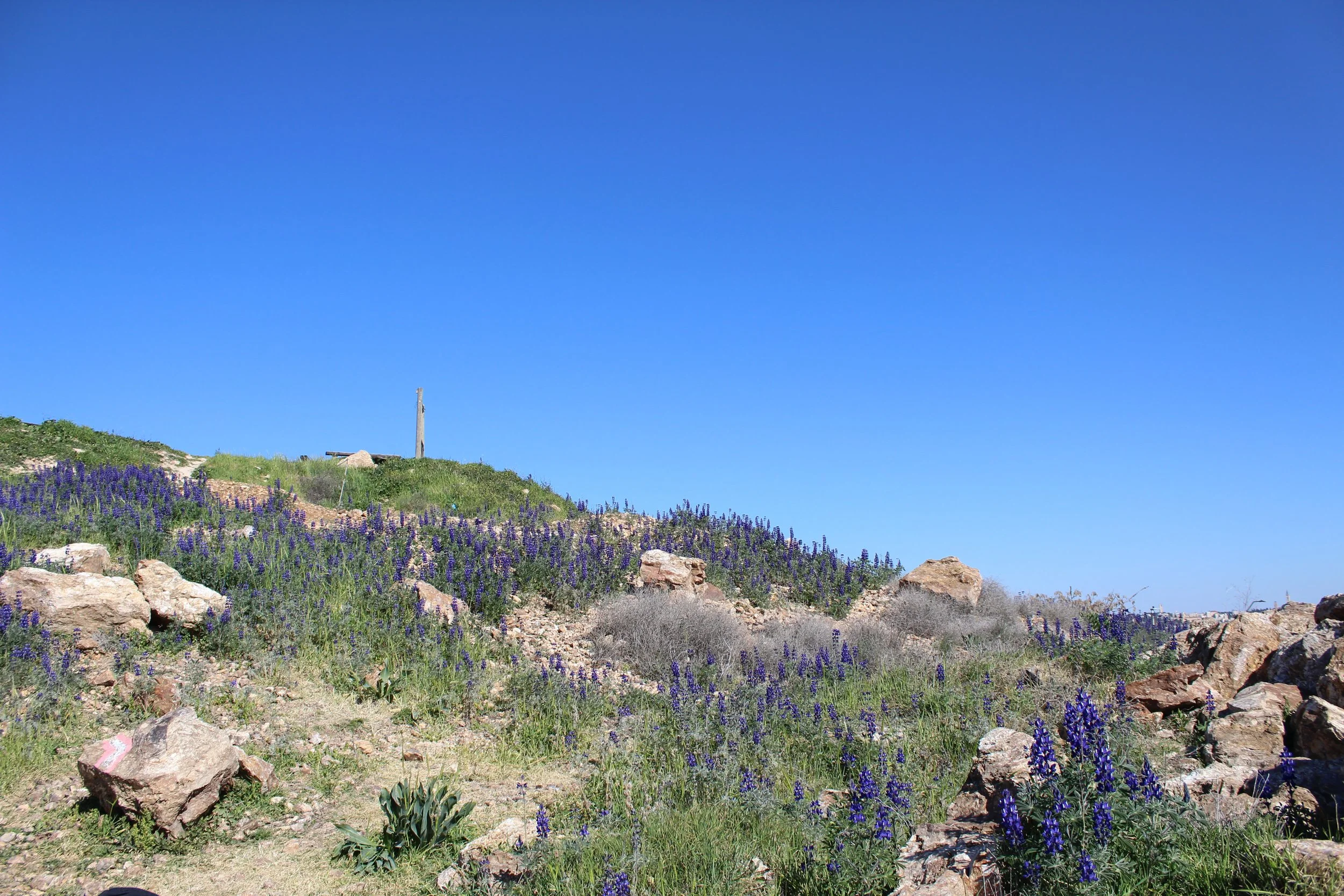
Despite its name and history, the hill is surrounded by striking beauty. Nearby lies the Haas Promenade, with sweeping views of the city. The area is dotted with pine and cypress trees and carpeted with lupine flowers in season. Just across from the UN headquarters stands the Tolerance Monument, a 17-meter (56-ft.) bronze sculpture of an olive tree between two columns, symbolizing peace and the hope of coexistence.