Grafted In: The Verdict from Jerusalem
Today, we take it for granted that Gentiles can follow Jesus.
The first believers didn’t.
The Jesus movement began as a Jewish one. Thousands from His earthly family recognized Him as Messiah. Then pagans started believing too, and the apostles faced a loaded question: Did these Gentiles have to become Jews?
Their answer acknowledged ancient prophecy and threw open the door to the nations.
If you’re a non-Jewish believer, that door was opened for you.
(Click on the image below to view the teaching.)
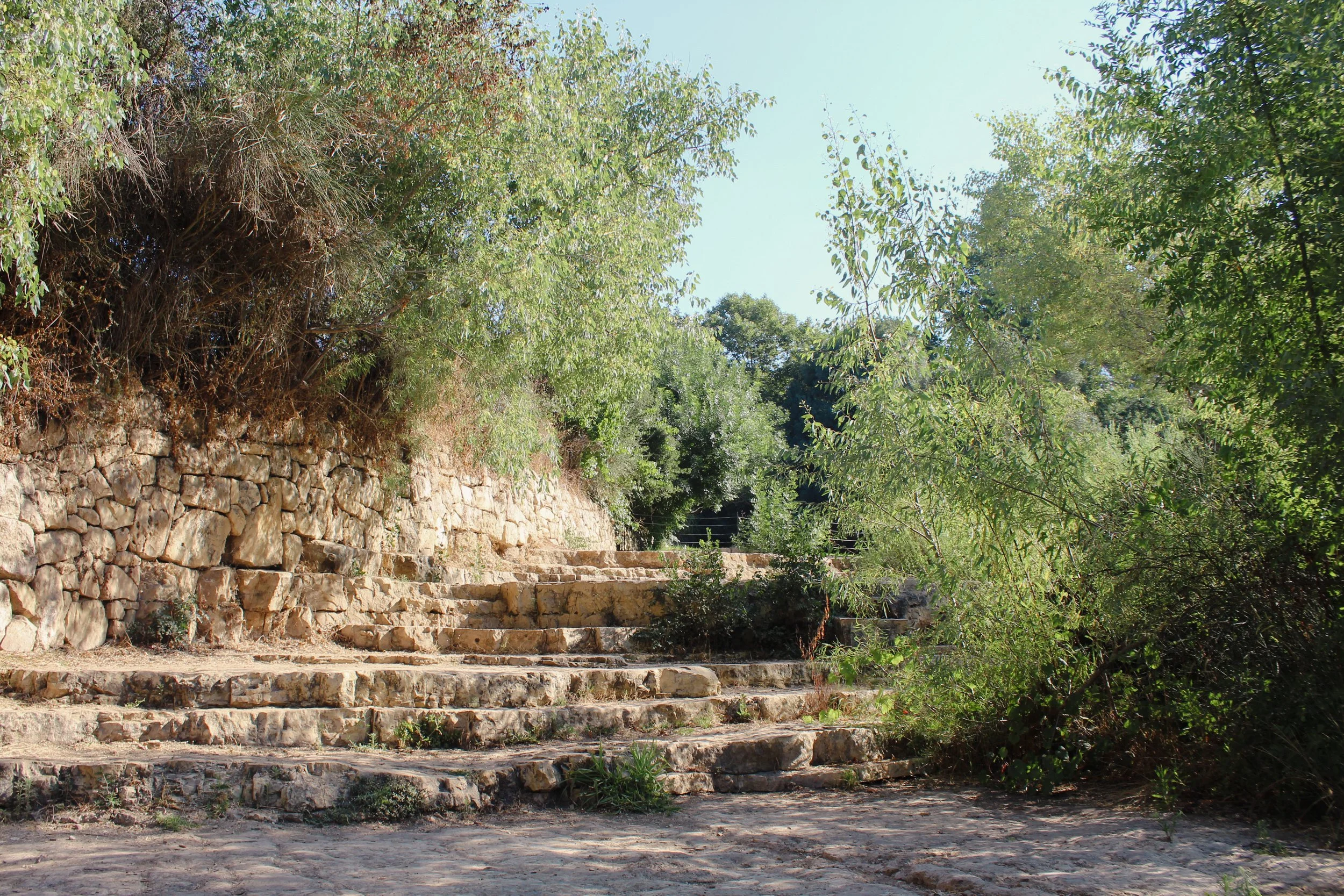
Ein Hemed
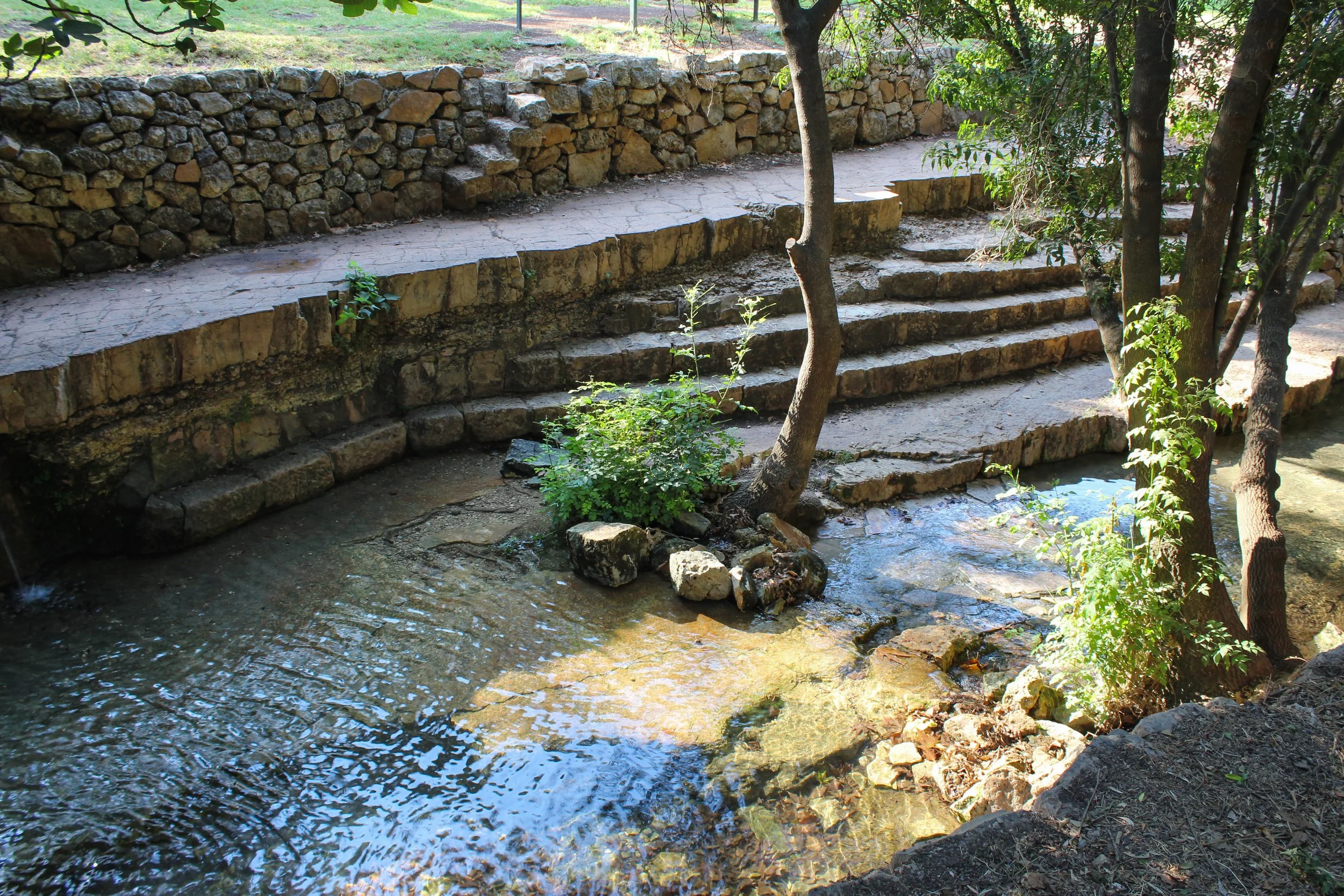
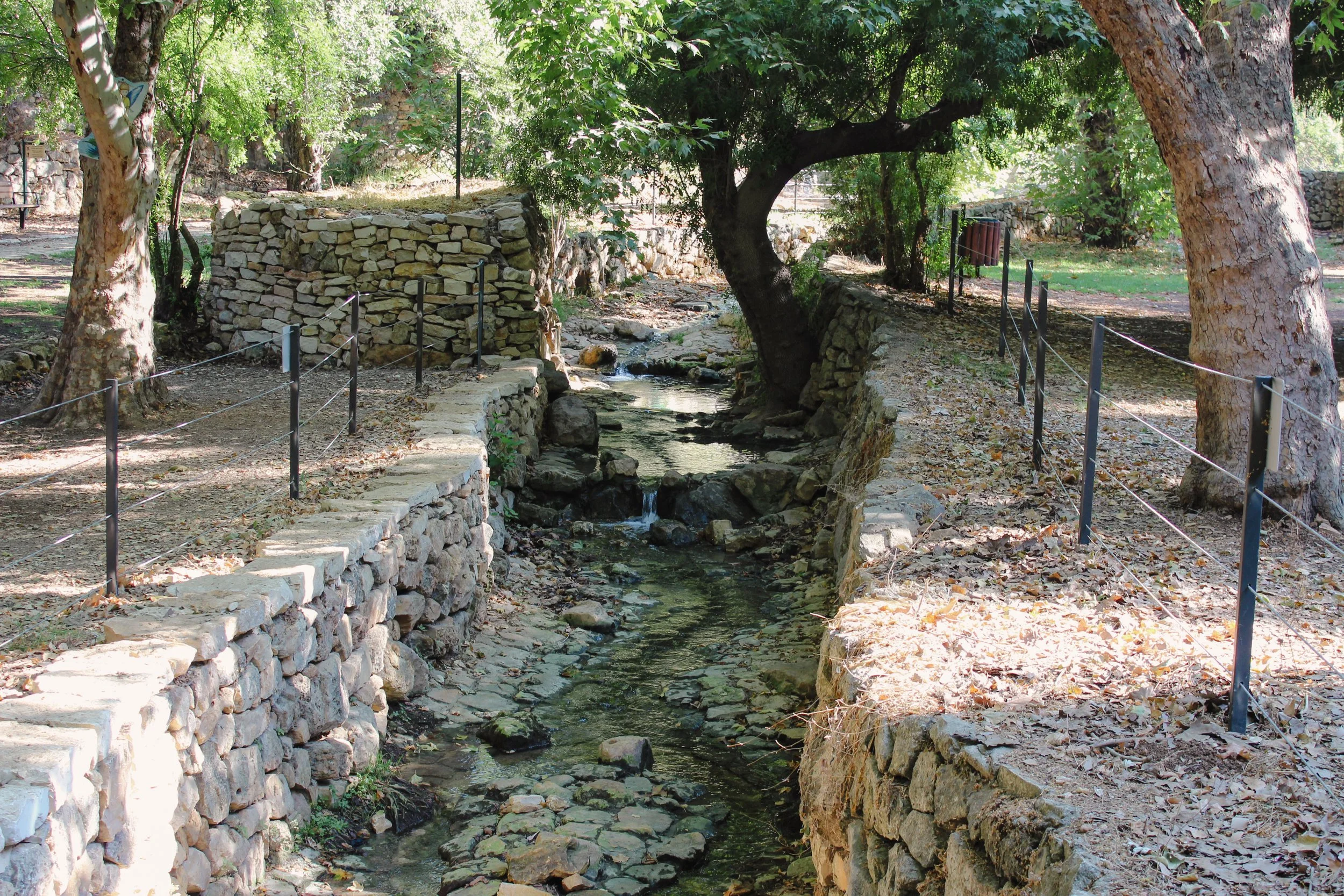
Tucked into the Judean hills just west of Jerusalem, Ein Hemed National Park stretches some 600 meters (1,969 ft.) along the banks of the Kesalon Stream, just south of the Tel Aviv–Jerusalem highway and across from Abu Ghosh. Its Latin name, Aqua Bella, means “beautiful water,” and the spring that feeds the stream has drawn people to this valley for millennia.
The surrounding hills are rich in biblical history. Abu Ghosh is identified with Kiriath Jearim, where the ark of the covenant rested for 20 years before David brought it up to Jerusalem (1 Sam. 7:1–2; 2 Sam. 6:2). The stream itself preserves the name of Chesalon, a town on the northern border of Judah’s inheritance (Josh. 15:10). Within the park, a walking trail leads to a burial cave from the First Temple period, the days of the kings of Judah.
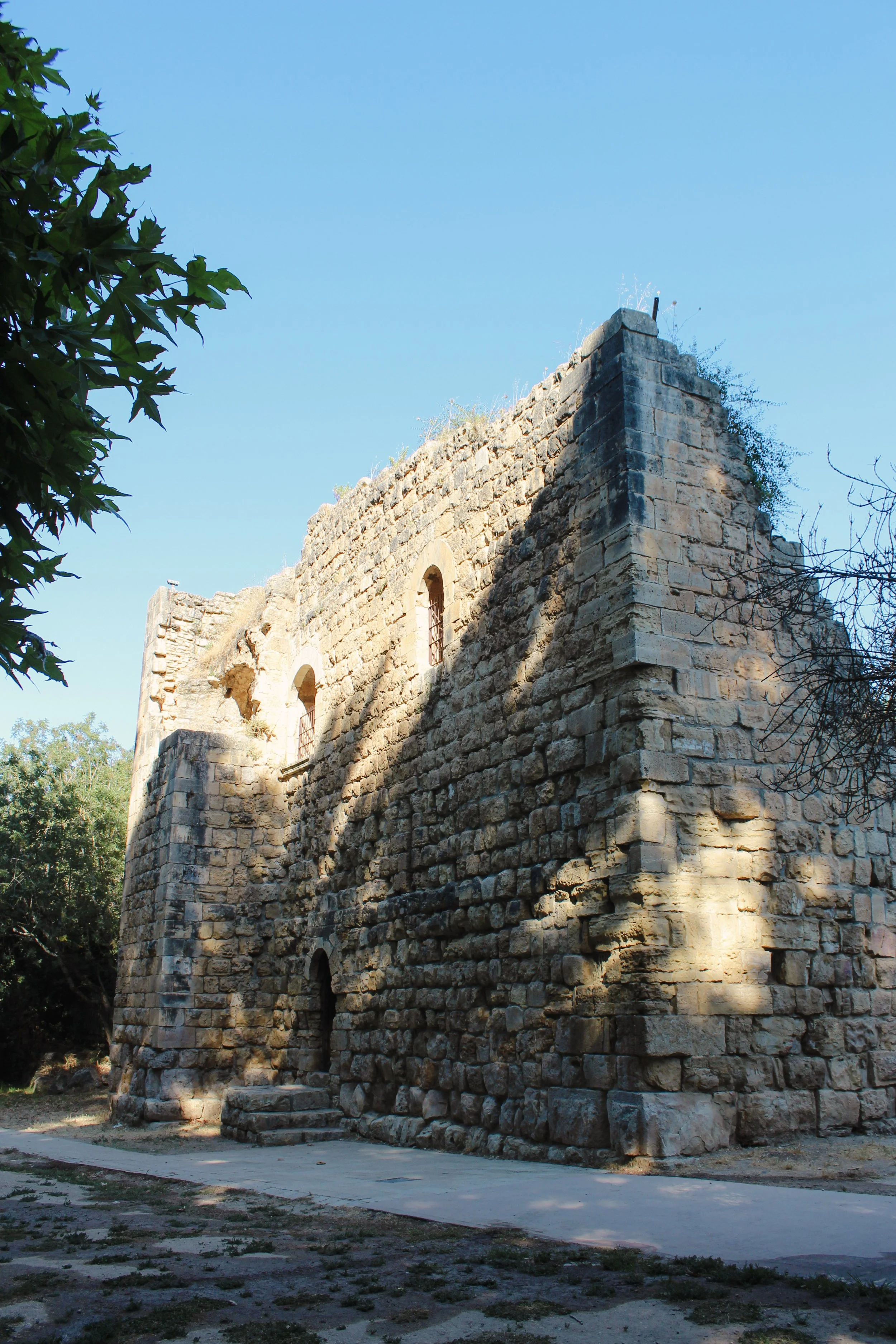
Centuries later, a Roman road linking the coastal plain to the Jerusalem hills ran through this area, and it remained in use into the Crusader period. Between 1140 and 1160, the Hospitaller order built a fortified farmhouse here to help secure the routes to Jerusalem and protect pilgrims. Excavations show that it rose two stories, with vaulted rooms, an entrance gate, a courtyard and a watchtower, and its remains are still remarkably well preserved. In later generations, Jewish communities came to the spring at Rosh HaShanah (Jewish New Year) for the tashlich ceremony, symbolically casting their sins into the water.
For centuries, Ein Hemed has sat beside the road up to Jerusalem. That ascent is at the heart of Acts 15, when a question that arose among the nations was carried up to the apostles and elders in Jerusalem (Acts 15:2). Their answer welcomed Gentiles who were turning to God, so that “the rest of mankind may seek the LORD, even all the Gentiles who are called by My name…” (Acts 15:17).