The Heart of Jesus
If you knew it was your last night, what would you pray for?
Near Gethsemane, just hours before His arrest, Jesus (Yeshua) could have asked for anything: power, miracles, protection.
Instead, He prayed for you.
“That they may all be one” (John 17:21).
Not sameness, not uniformity, but echad: Hebrew for a unity made of many parts.
At Pentecost, God began answering that prayer. Today, He’s still answering it—through you.
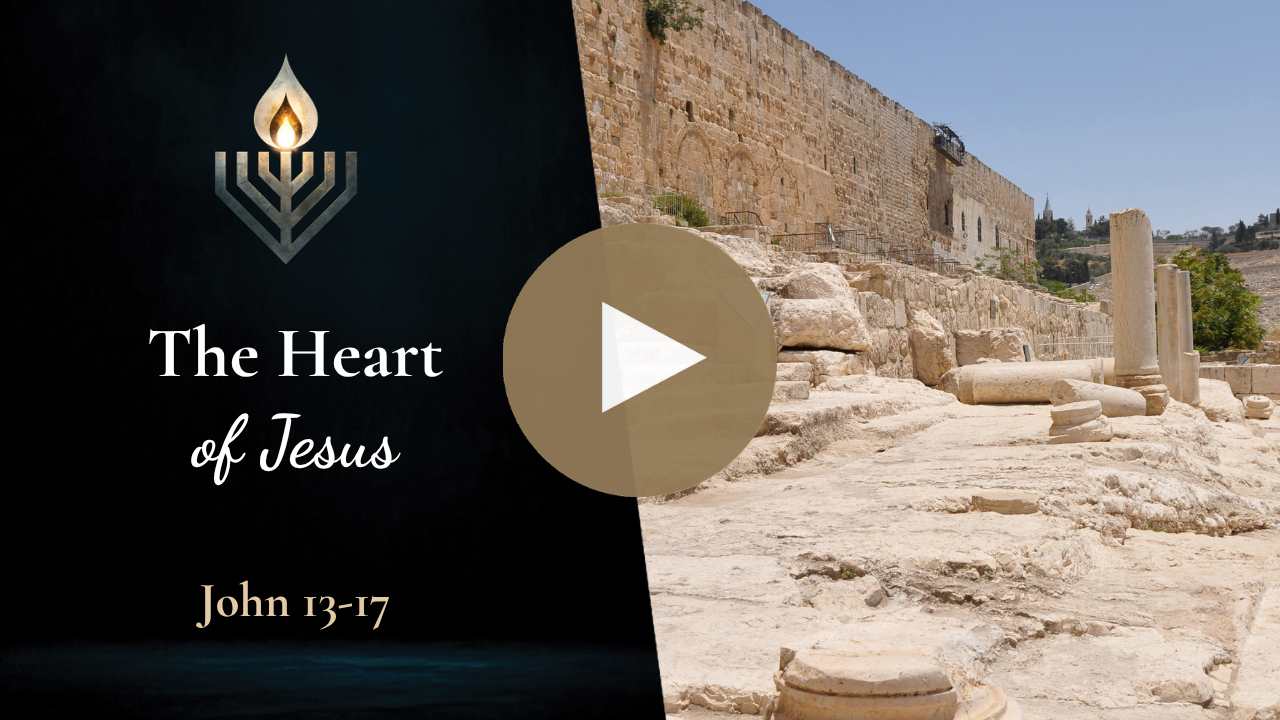
(Click on the image below to view the teaching.)
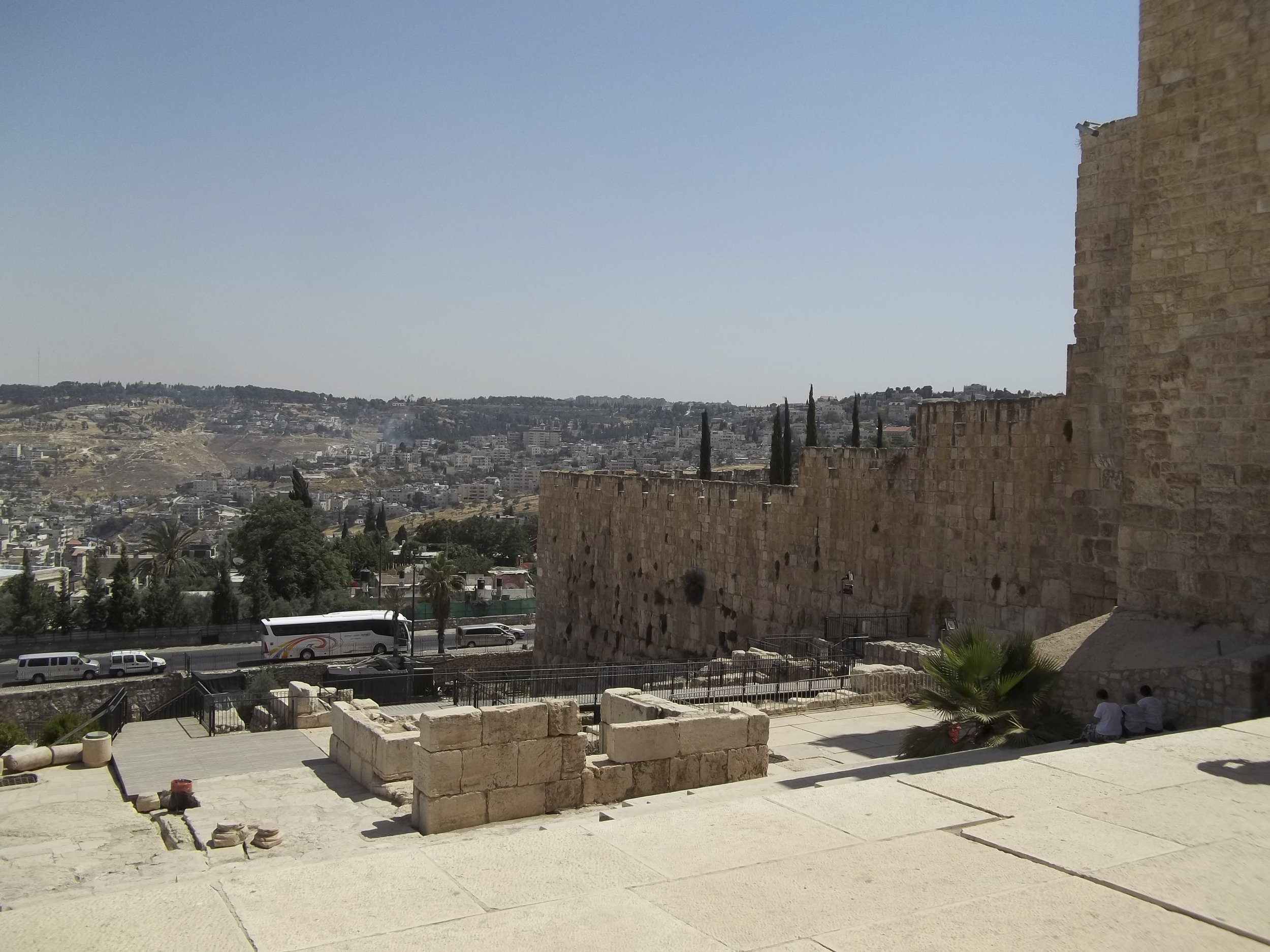
Southern Steps
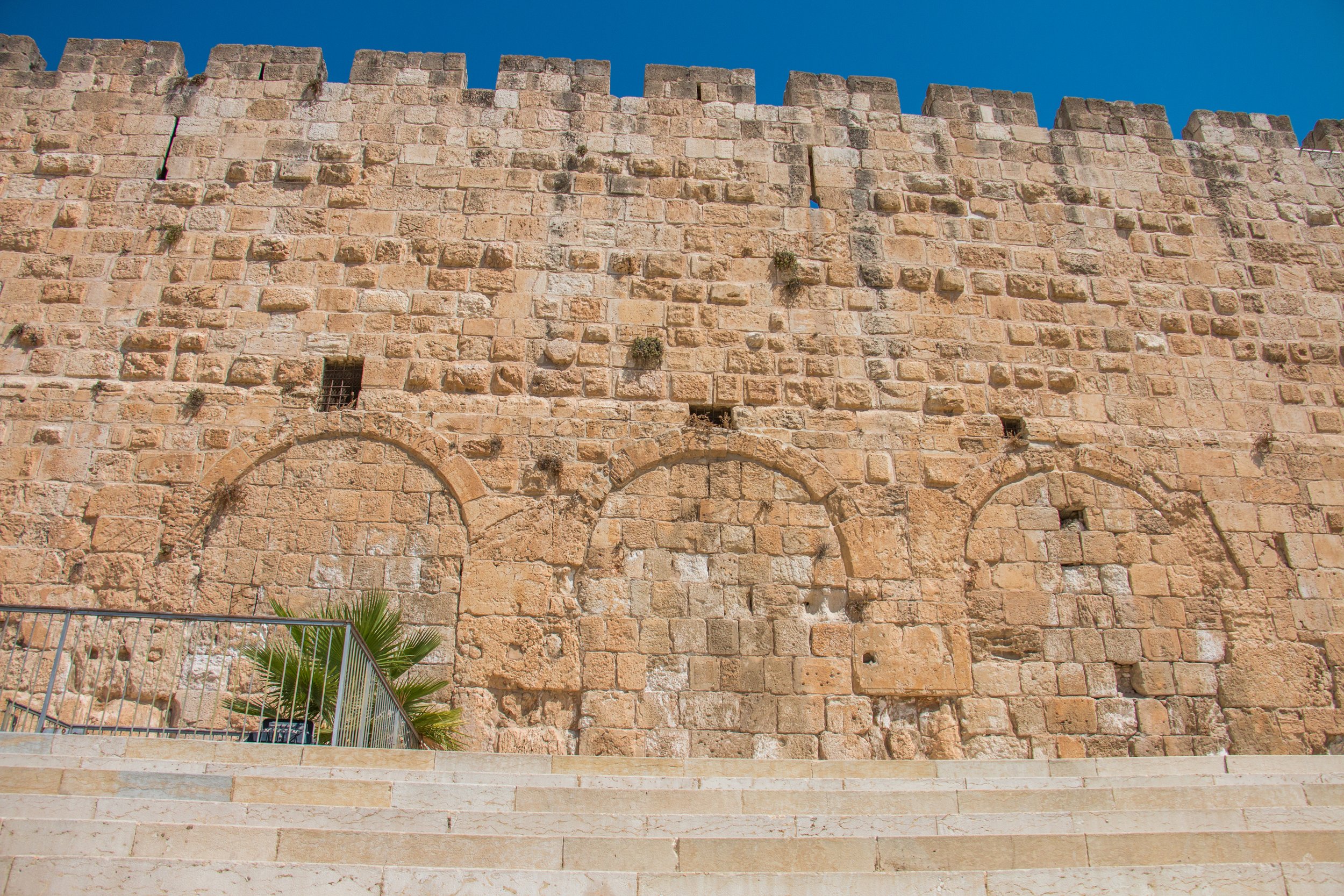
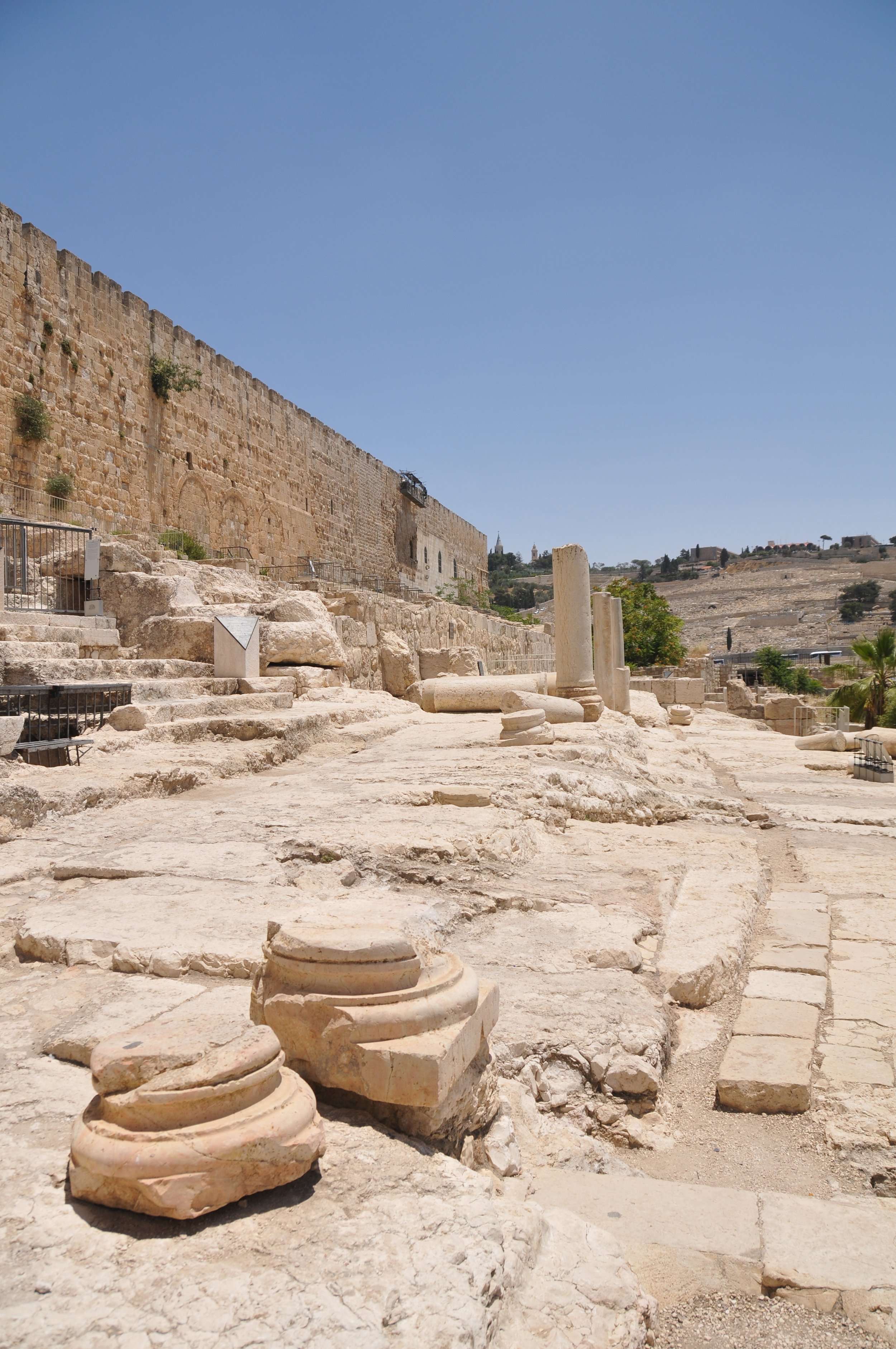
At the foot of the Temple Mount’s southern wall, a broad stone staircase rises toward two sealed gateways. These are the Southern Steps, and few places in Israel can claim with such confidence that Jesus (Yeshua) stood here.
Three times a year, the Lord commanded every Israelite man to appear before Him in Jerusalem at different feasts (Deut. 16:16). By the first century, throngs of pilgrims climbed from the Pool of Siloam along a stepped street through the City of David, many singing the Psalms of Ascents (Pss. 120–134): “I was glad when they said to me, ‘Let us go into the house of the LORD.’ Our feet have been standing within your gates, O Jerusalem!” That road ended here.
Herod the Great built the staircase as part of his massive expansion of the Temple Mount in the years before Jesus’ birth. More than 200 feet (61 m.) wide, the steps alternate between narrow and wide treads, slowing worshippers to a deliberate, reverent pace. At the top, the Double and Triple Gates, known as the Huldah Gates, opened into passageways leading up to the Temple platform. Rabbis taught their disciples here, earning the stairway the name “the Teaching Steps.”
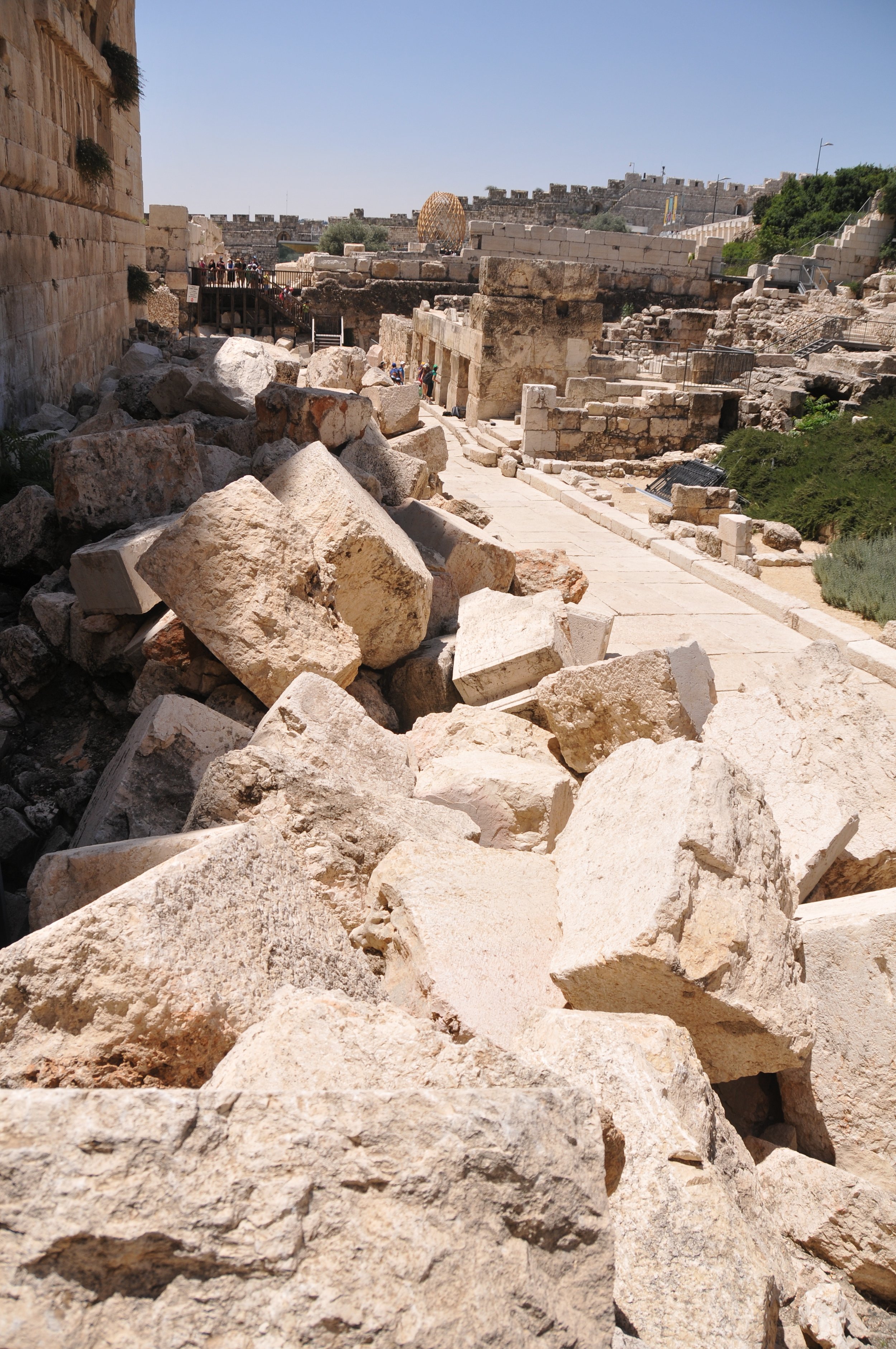
Jesus came to the Temple as a boy of 12 at Passover (Luke 2:41–49) and later taught in its courts during the feast (John 7:14). Leaving the Temple one day, His disciples marveled at its enormous stones, and He warned that not one would be left upon another (Mark 13:1–2). That word was fulfilled when Rome destroyed the Temple in AD 70.
These steps may also hold a place in the birth of the Church. On Shavuot, at nine in the morning (Acts 2:15), crowds were streaming toward the Temple for prayer. The Holy Spirit fell, Peter preached, and about 3,000 people believed and were baptized (Acts 2:1–41). Dozens of mikvot (Jewish ritual baths) uncovered at the base of the steps could have accomodated that many baptisms in a single day.
After the Temple’s destruction, the gates were sealed, and the steps vanished beneath centuries of rubble. After the Six Day War in 1967, archaeologist Benjamin Mazar began excavating the area, uncovering the stairway, the ritual baths and Herodian streets. Today, visitors can walk the restored staircase, which preserves original steps. They can also trace the outlines of the blocked gates in the wall and see Herod’s massive stones beneath the smaller ones added in later centuries.
To stand here is to stand where Jesus taught, where the Gospel first went out to Jews from every nation gathered in Jerusalem, and where one day the nations will again say, “Come, and let us go up to the mountain of the LORD, to the house of the God of Jacob…” (Isa. 2:3a).