An Urgent Warning from the Books We Ignore
The Bible’s most ignored books have a warning for us today.
When was the last time you heard a sermon from Hosea, Joel, or Amos? These twelve overlooked books carry one of Scripture’s most urgent demands: true biblical justice. Filmed on location in Tekoa—Amos’s humble hometown, now a thriving community fulfilling his ancient words—we uncover why God cared so deeply for the poor and oppressed, and why His heart hasn't changed.
Their message isn’t ancient history. It’s a mirror.
Are we living out God's justice, or just reading about it?
(Click on the image below to view the teaching.)
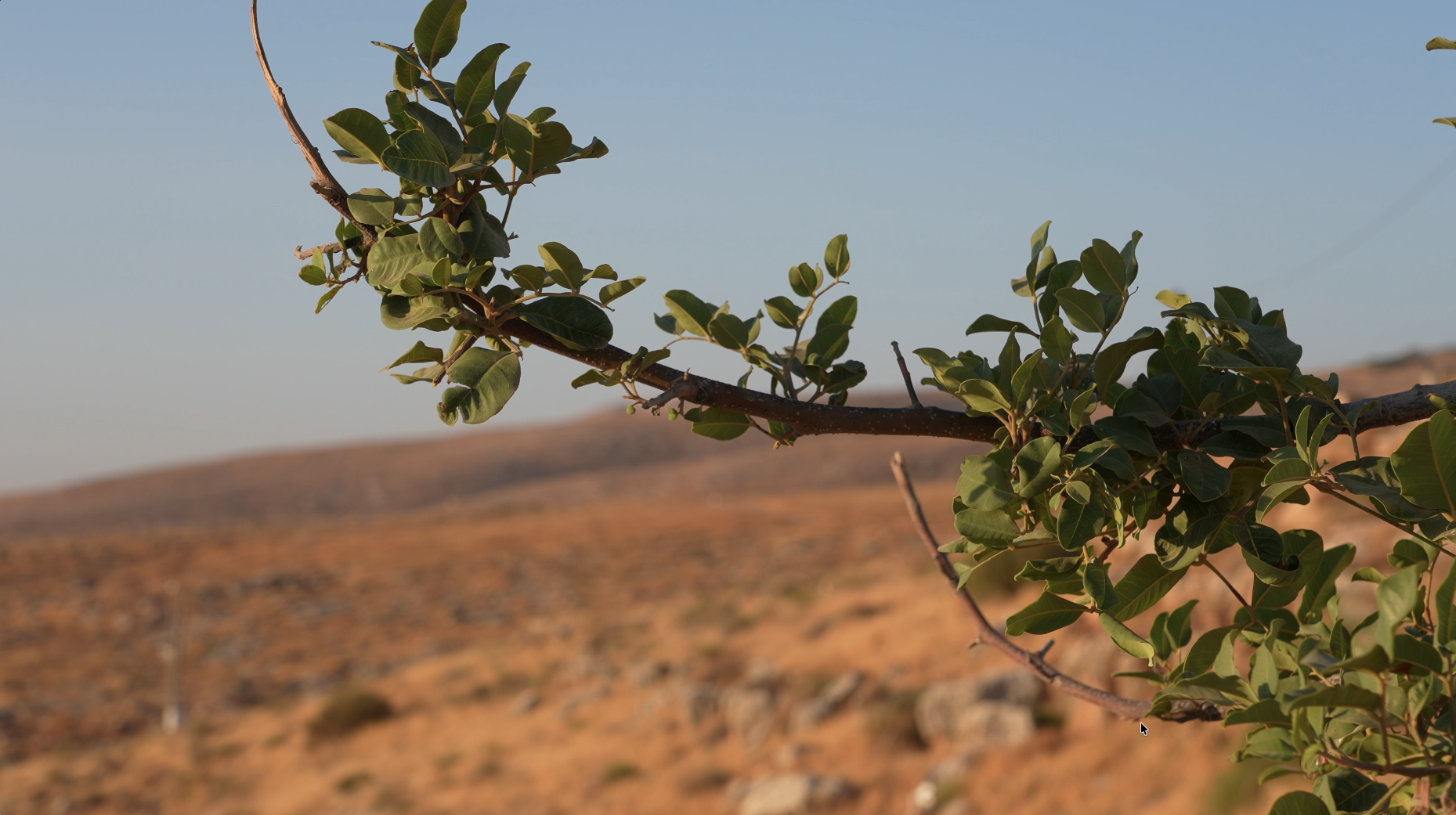
Tekoa
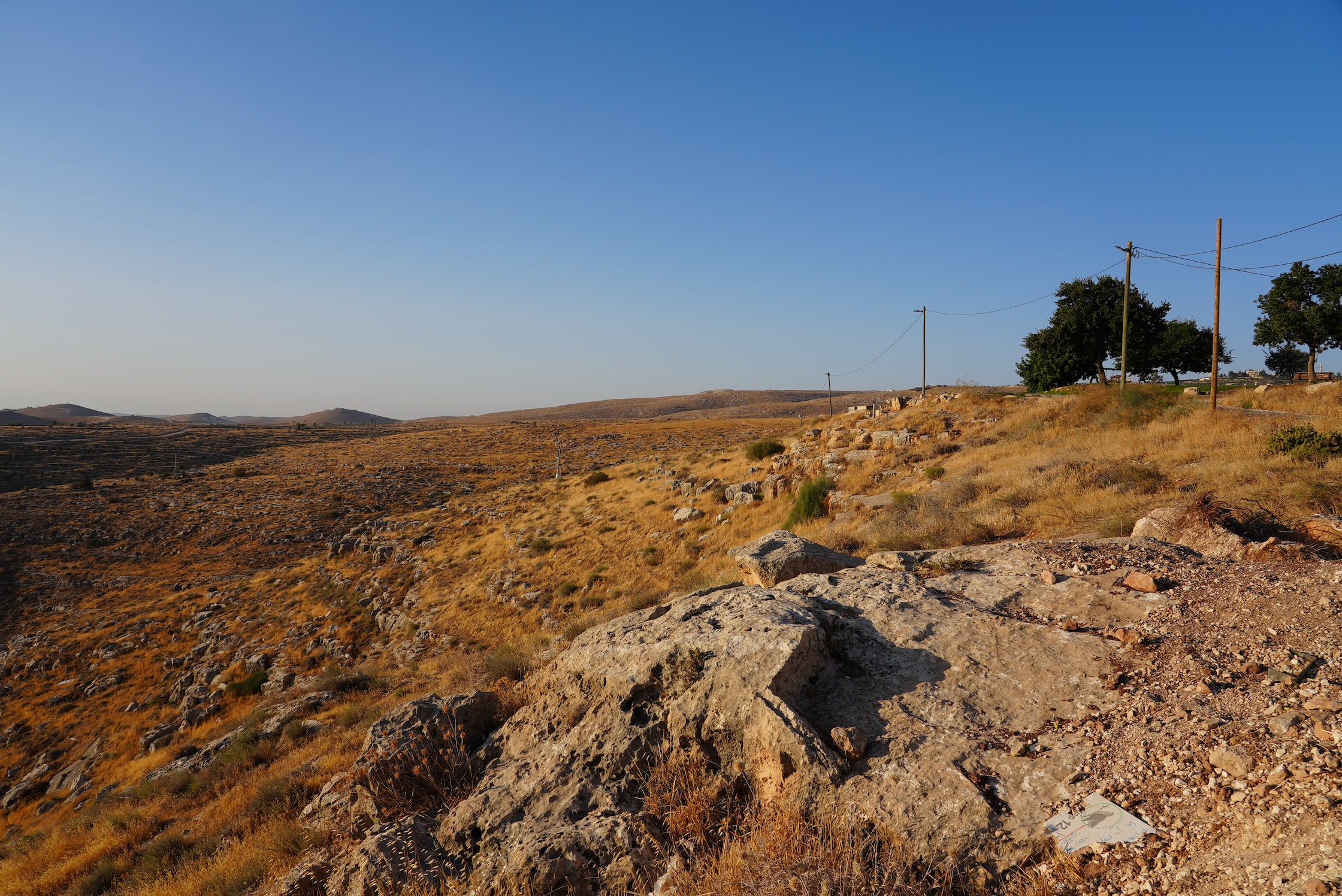
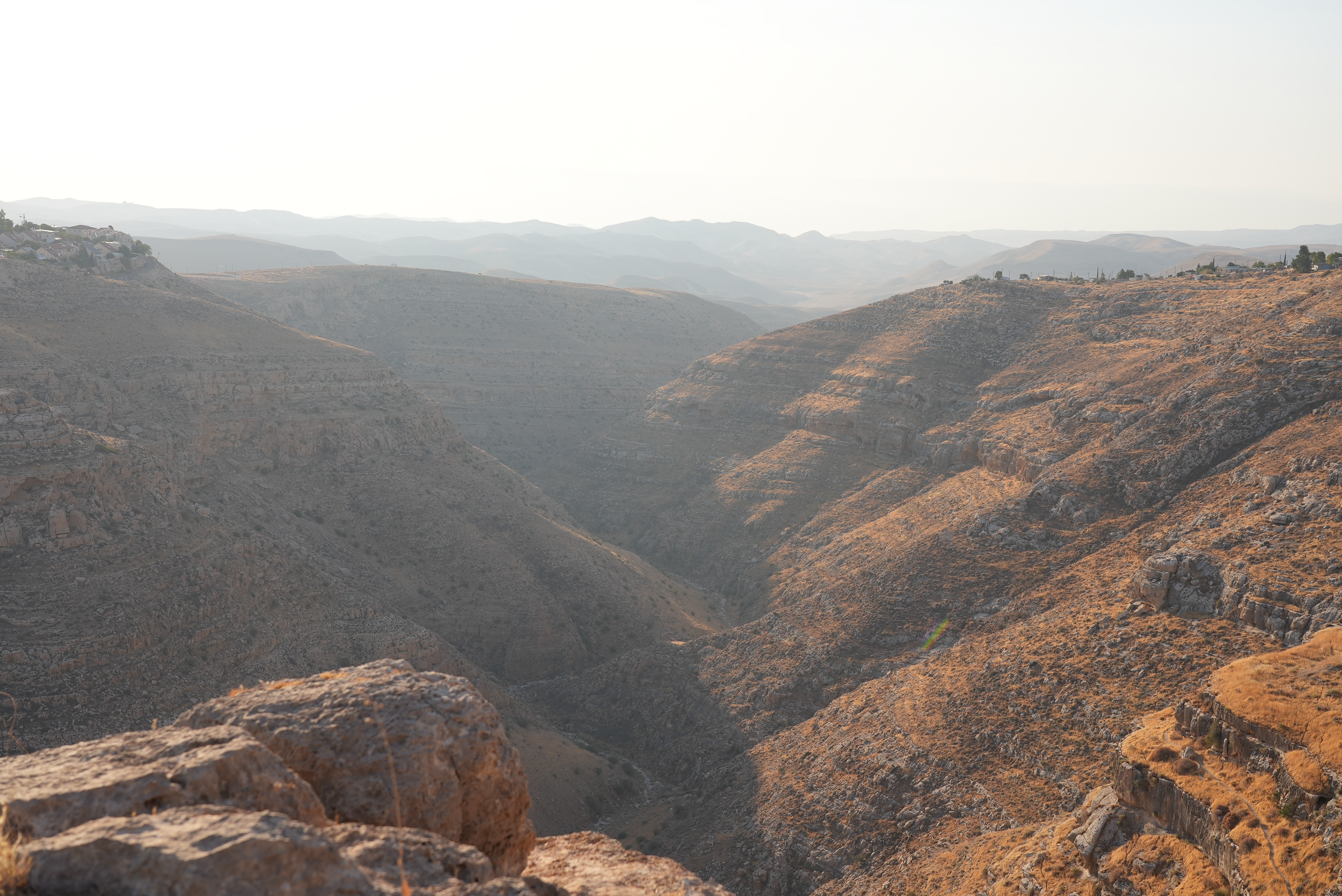
Perched at roughly 2,700 feet (823 m.) above sea level in the Judean hill country, about 10 miles (16 km.) south of Jerusalem, Tekoa sits precisely on the border between fertile farmland and open desert. To its west once stretched groves famed in the Talmud for their olives; to its east lies the rugged Wilderness of Tekoa, a landscape that has shaped the town’s identity since antiquity. The name survives to this day in the neighboring Arabic village of Tuqu’ and in the modern Israeli community of Tekoa nearby.
Tekoa’s roots run deep into Judah’s genealogies, tracing back to the family of Hezron through Perez (1 Chron. 2:24; 4:5). Its earliest named resident of note was Ira son of Ikkesh, one of King David’s mighty men (2 Sam. 23:26; 1 Chron. 11:28; 27:9). Not long after, Tekoa produced another notable figure: the unnamed “wise woman” whom Joab sent to persuade David to allow Absalom’s return from exile, using a carefully told parable to move the king toward reconciliation (2 Sam. 14:1–20).
Recognizing its strategic position guarding the road from Ein Gedi to Jerusalem, King Rehoboam fortified Tekoa alongside several other cities as part of Judah’s defensive network (2 Chron. 11:5–12). That fortification proved its worth generations later, when King Jehoshaphat, facing an invasion by the Moabites and Ammonites advancing from the Dead Sea, rallied Judah in prayer and fasting near Tekoa, only to watch God turn the invading armies against one another before Judah’s men ever engaged in battle (2 Chron. 20:20–24). The prophet Jeremiah later named Tekoa as a lookout point on Jerusalem’s southern approach, warning the city’s inhabitants to sound the alarm there against coming disaster (Jer. 6:1).
But Tekoa’s most enduring legacy is as the hometown of Amos, described simply as “among the sheepbreeders of Tekoa” (Amos 1:1). Long after his death, tradition held that Amos was buried in a cave near Tekoa, and by the Byzantine period, a church had been built there in his honor, its ruins still visible today. Centuries later, Tekoa was fortified during the Maccabean revolt, when the Seleucid general Bacchides recognized its continued strategic value, and later served as a military encampment during the Jewish revolt against Rome, evidence of just how strategically vital this small hillside settlement remained for centuries.
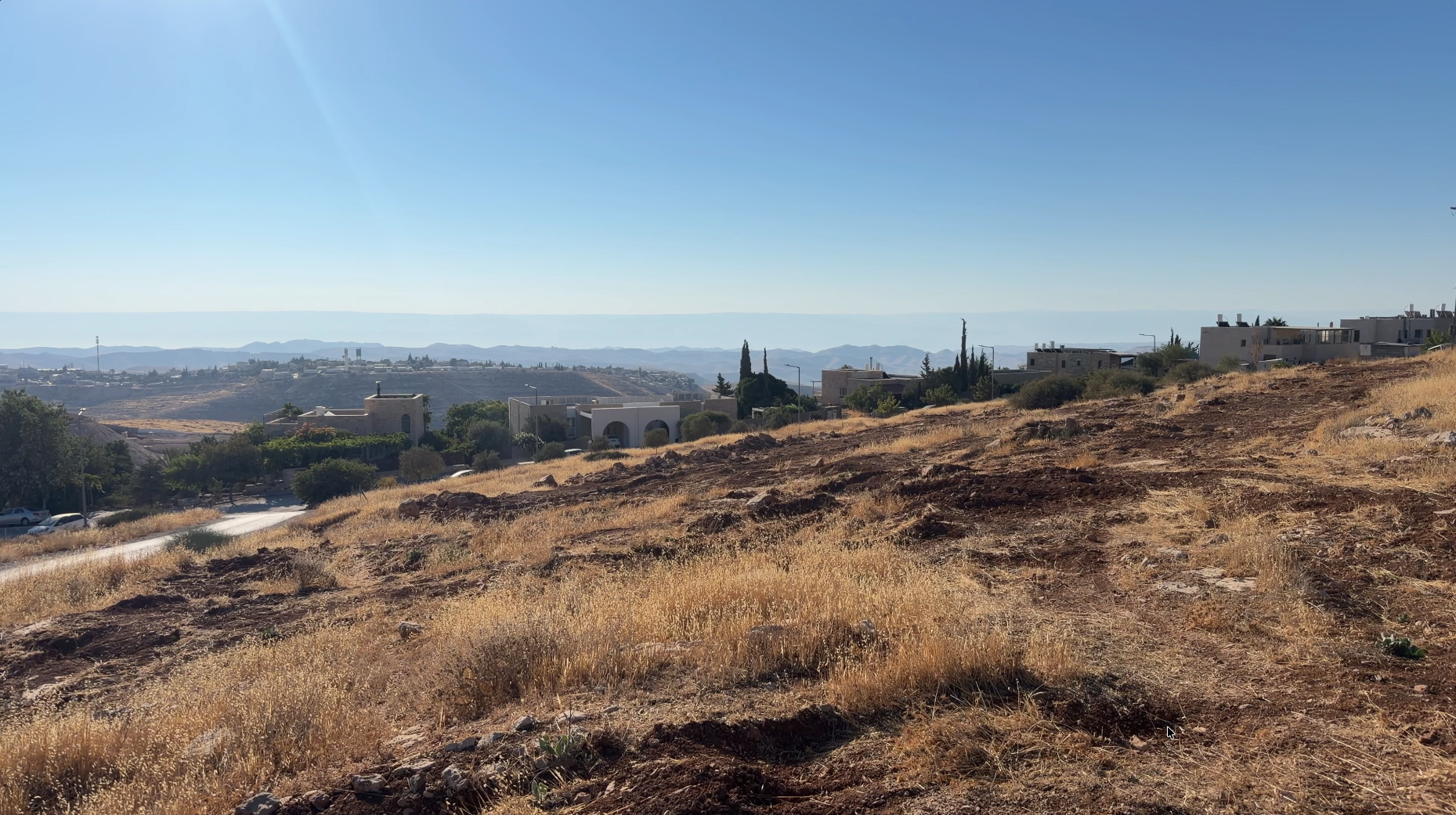
Today, Tekoa is home to a thriving Jewish community, its terraced hills lined with vineyards and orchards where ancient farmland once stood. Walking this land, it’s easy to imagine a young shepherd tending his flock here, unaware that God was about to call him to speak some of the boldest words on justice the world has ever heard.