When God’s Mercy Offends Us
Have you ever been angry that someone got away with it? Jonah was.
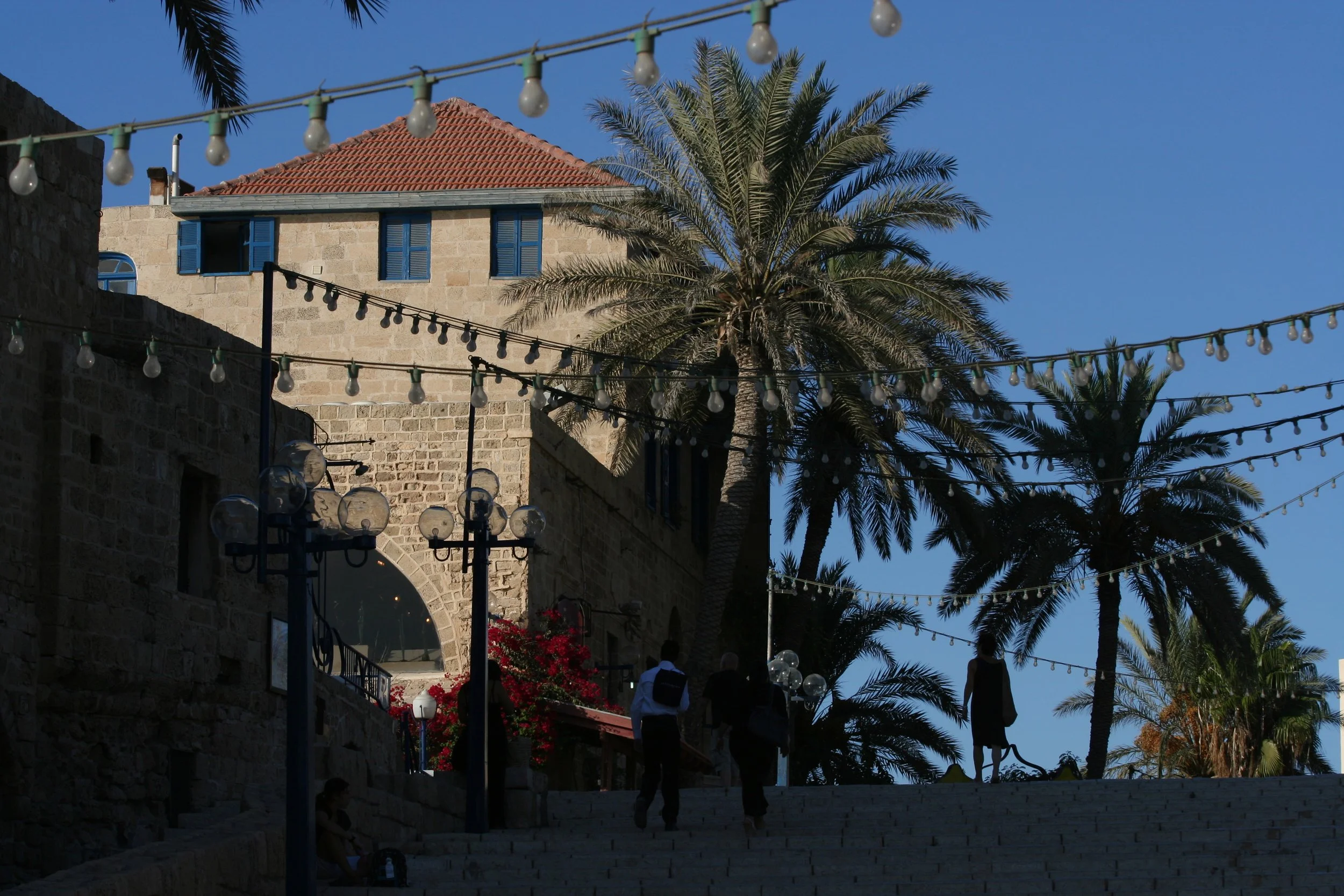
Standing in Jaffa’s ancient port, where Jonah once boarded a ship fleeing God, we uncover a prophet who’d rather see a city destroyed than forgiven. He got the storm. The fish. Three days in the dark. And still, he resented mercy. Because grace for our enemies is offensive—until we remember that we need it too.
(Click on the image below to view the teaching.)
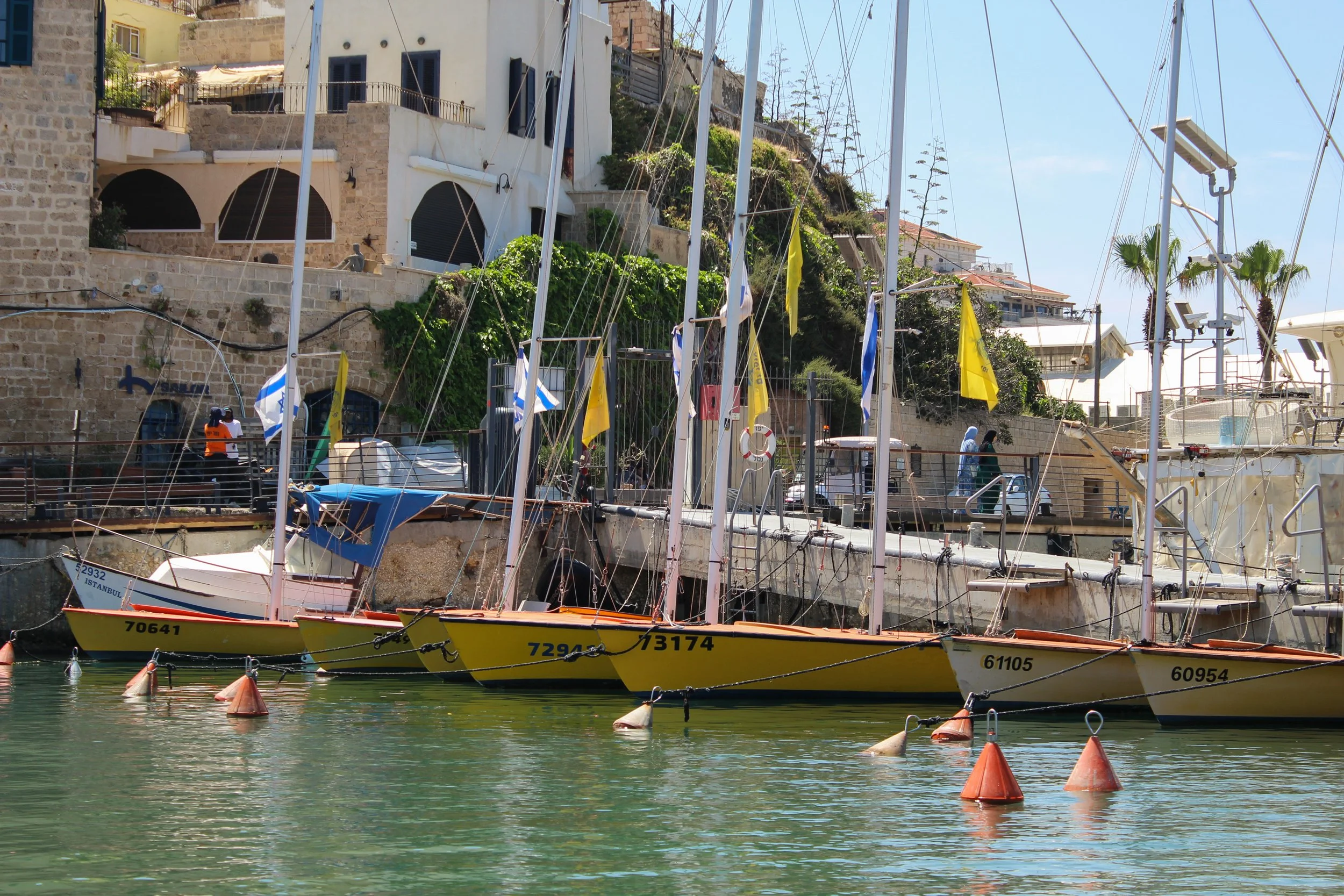
Jaffa Port
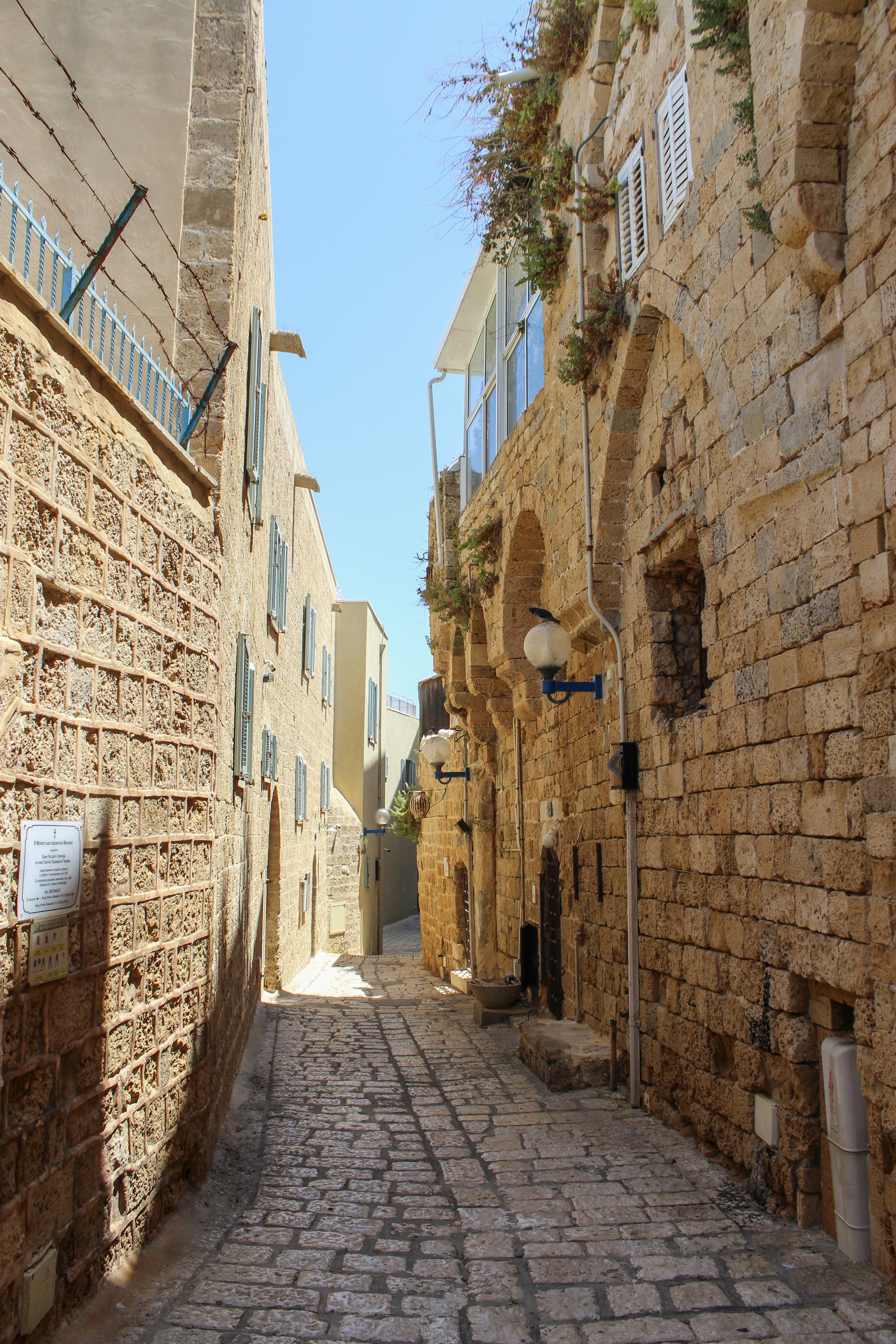
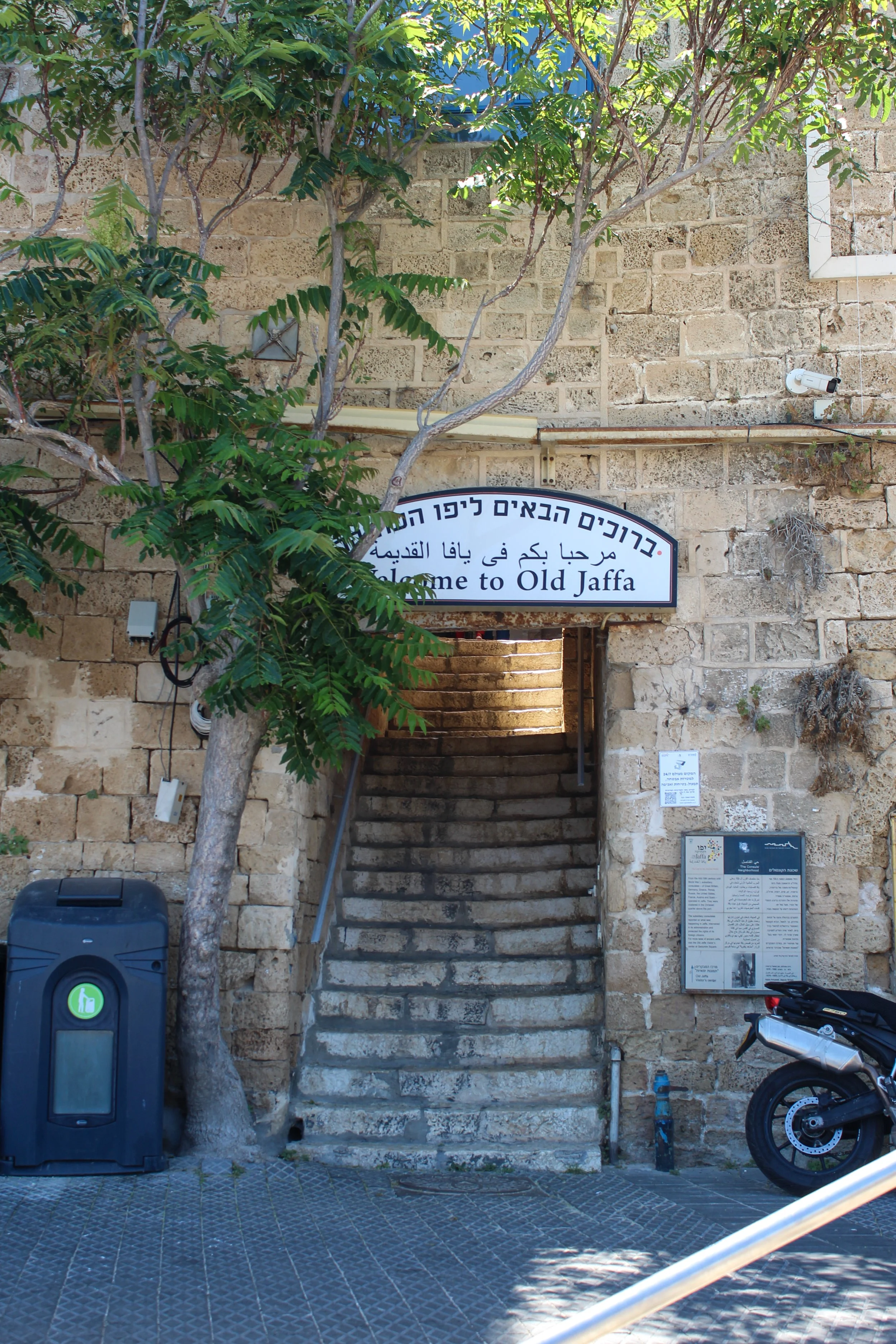
Jaffa (Yafo in Hebrew, Joppa in some English translations) is one of the oldest working ports in the world, perched on a small hill jutting into the Mediterranean along Israel’s central coast. Today, it sits at the southern edge of Tel Aviv. The two cities were formally joined in 1950 as Tel Aviv–Yafo, but Jaffa’s cobblestone lanes, stone fortifications and harbor still carry the weight of thousands of years of history.
Scripture mentions Jaffa repeatedly. The tribe of Dan’s territory included “the region near Joppa” (Josh. 19:46), and cedar logs from Lebanon were floated to Jaffa’s port for the building of Solomon’s Temple (2 Chron. 2:16), a shipment repeated centuries later for the Second Temple (Ezra 3:7).
Jaffa is best known, however, as the port from which the prophet Jonah fled by ship rather than obey God’s call to preach to Nineveh (Jonah 1:3). Centuries later, Jaffa appears again in the book of Acts. It was here that the apostle Peter raised Tabitha from the dead and, staying in the home of Simon the Tanner, received the vision that opened the Gospel to the Gentiles (Acts 9:36–43; 10:1–23).
Jaffa’s strategic harbor made it a prize fought over by nearly every power to pass through the region. Egyptian pharaohs held it in the centuries before Israel’s conquest of Canaan; it later came under Israelite, Assyrian, Persian and then Hellenistic control before Jewish forces under the Hasmoneans reclaimed it as a vital outlet to the sea. Romans, Arab caliphates, Crusaders, Mamluks and Ottomans each left their mark in turn.
For centuries, Jaffa served as the main gateway for pilgrims journeying up to Jerusalem, and in the late 19th century, it became the entry point for waves of Jewish immigrants returning to their ancestral homeland, a movement that within a few short decades gave rise to Tel Aviv itself.
Visitors today can walk the restored alleys of Old Jaffa, browse its galleries and workshops and visit the traditional site of the house of Simon the Tanner, still marked and remembered by the Christian community. The ancient port, the ninth-century BC fortifications uncovered by archaeologists and the sweeping view of the Tel Aviv skyline from Jaffa’s hill all stand as reminders of a city that has always sat at the crossroads of empires, and of God’s persistent purposes for His people.
Jonah once stood on this very shore, trying to run from a mission he didn’t want. Peter once stood here too, having his understanding of God’s mercy stretched wider than he ever expected. Standing in Jaffa today is a reminder that this ancient port, still tied to the Land and people of Israel, continues to be a place where God calls people toward His purposes, if only they will answer.