Faith in the Face of Rejection
Becca Treharne
Jeremiah paid a high price to speak God’s truth to a nation that refused to listen. Rejected by his own people, Jeremiah stayed rooted in the Lord, “like a tree planted by water.”
When the world rejects God’s truth and turns its back on you, will you stay faithful?
Discover what kept Jeremiah steadfast, and how you can stand firm too.
(Click on the image below to view the teaching.)
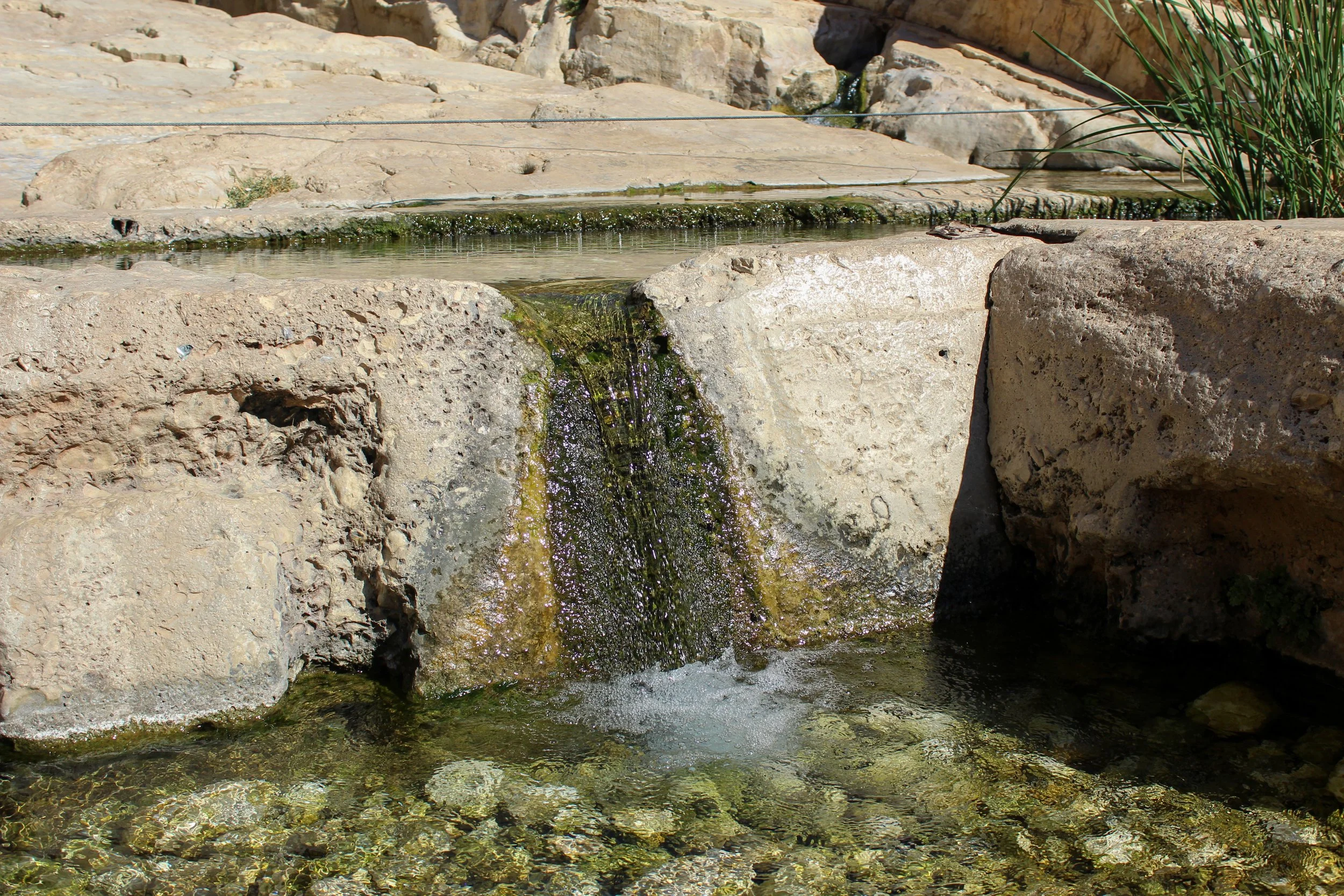
Ein Prat
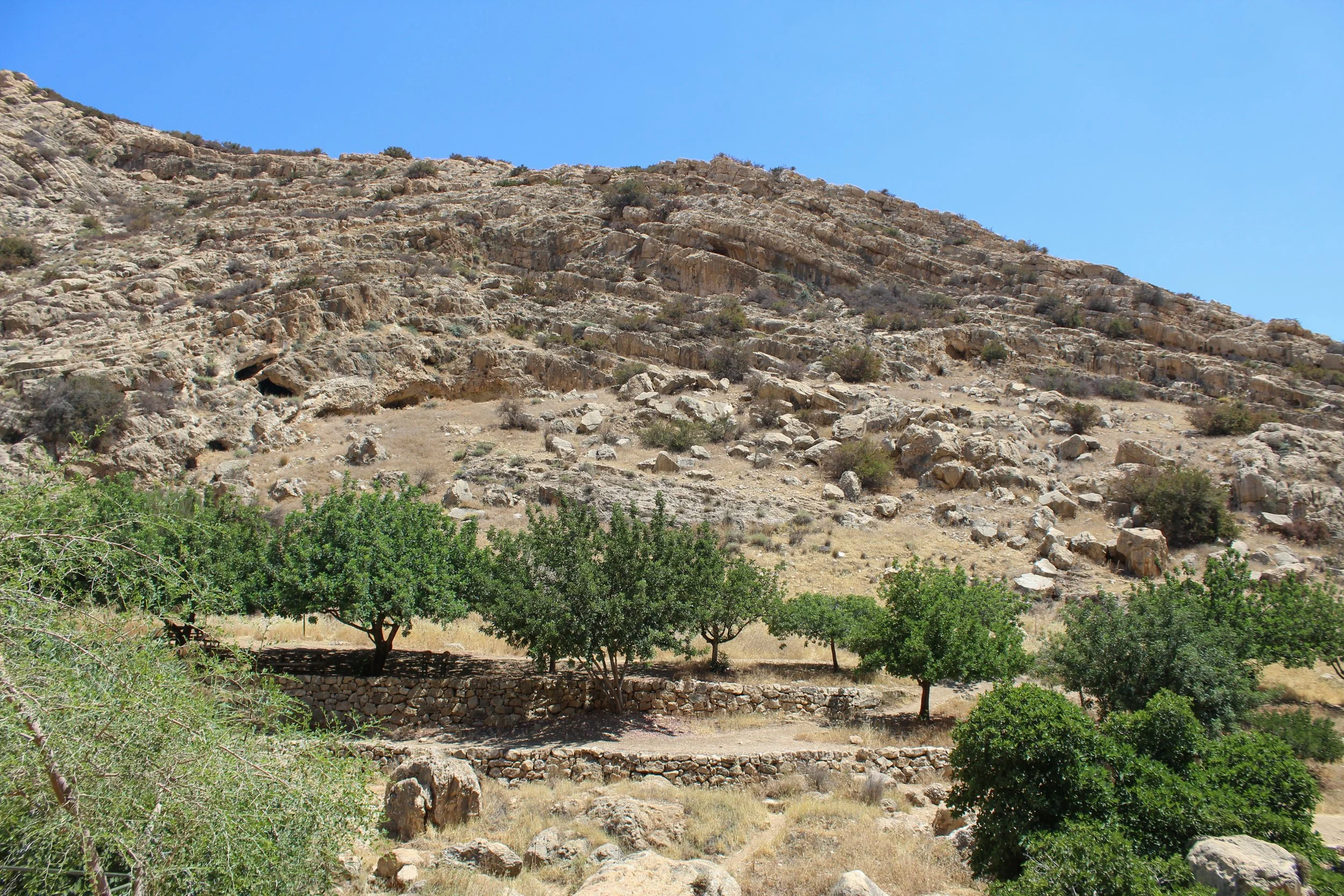
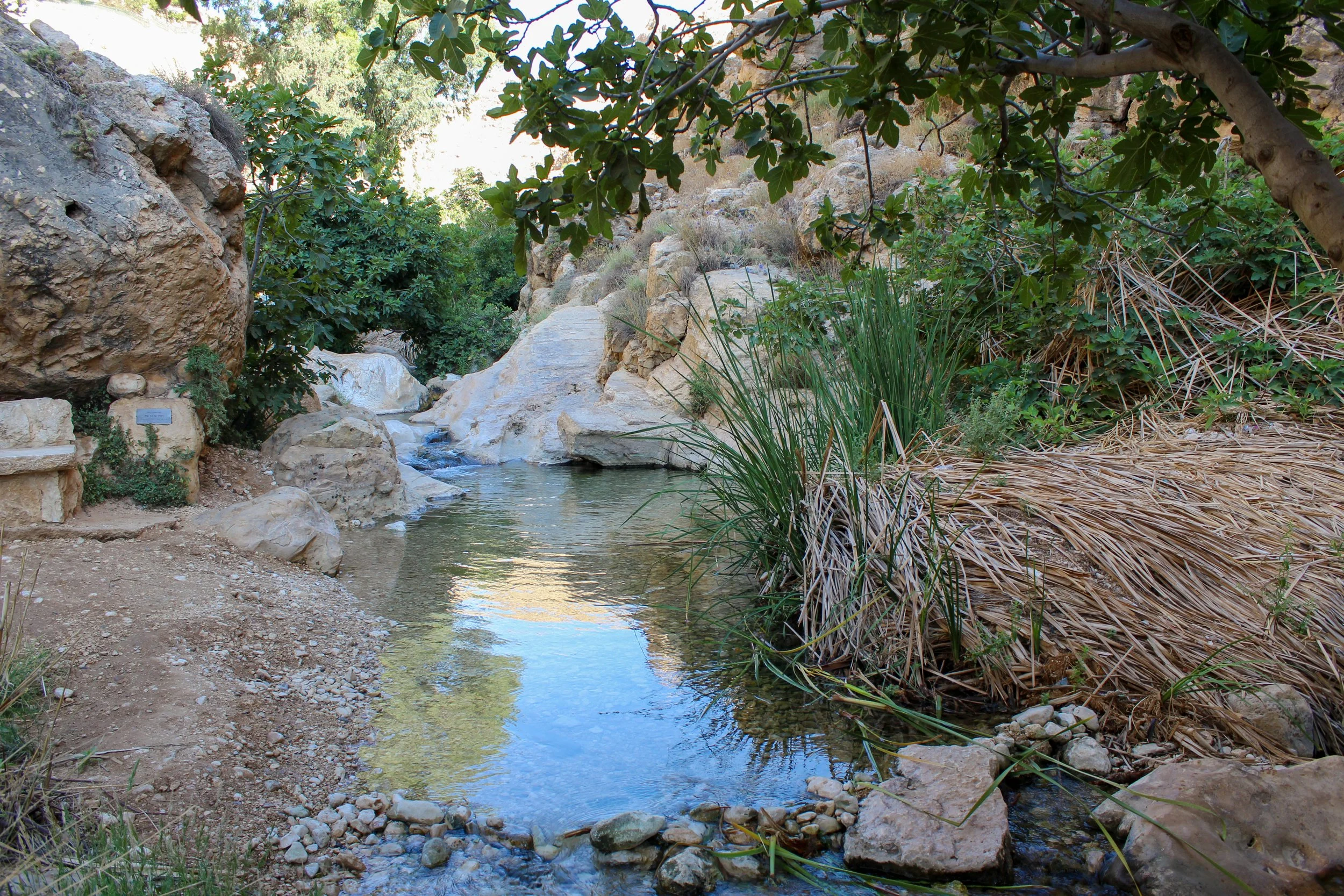
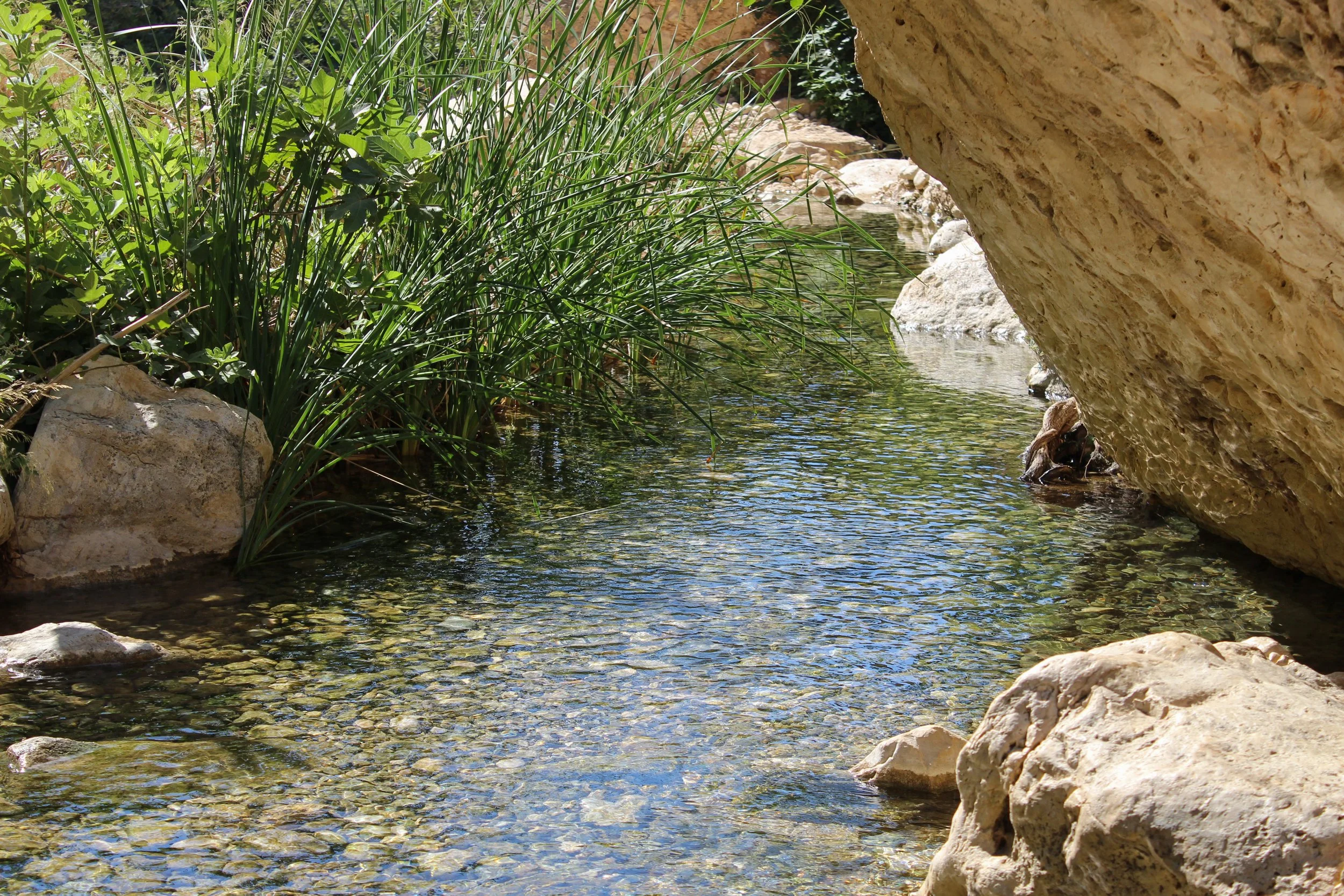
Less than half an hour from Jerusalem, Ein Prat is the largest spring feeding Nahal Prat, a stream that cuts through the northern Judean Desert on its way from Jerusalem to Jericho.
The names can be confusing, so it helps to know how they fit together: Ein Prat refers specifically to the spring itself and its pool, while Nahal Prat is the name of the entire 28-kilometer (17-mi.) stream and canyon it feeds, known in Arabic as Wadi Qelt. Technically, Wadi Qelt refers to the lower section of the stream nearer Jericho, but the name is often used for the valley as a whole. Ein Prat, then, is one source among several along this longer waterway, and one of several entry points into the nature reserve that bears its name.
Unlike many desert water sources, Ein Prat flows steadily year-round, producing an average of 1,500 cubic meters (nearly 400,000 gallons) of water a day, a striking volume for such an arid region. That reliable flow has drawn people to this valley for millennia, from ancient settlers to Byzantine monks to modern-day hikers.
The spring’s biblical roots run deep. Nahal Prat flows past the site of ancient Anatot, home to the prophet Jeremiah (Jer. 1:1), who lived here shortly before Jerusalem’s fall to Babylon. In Jeremiah’s first prophetic vision, God asks him to identify a rod of almond wood (Jer. 1:11–12), a detail that scholars believe reflects his familiarity with the almond trees that still blossom pink and white along the stream each January.
Later, God instructs Jeremiah, “Take the girdle that you have brought … and arise, go to Perath, and hide it there in the cleft of the rock” (Jer. 13:4). Jeremiah obeys, and when he later retrieves the linen belt, it has disintegrated after being worn thin by the stream’s current, a vivid picture of Judah’s coming ruin. Many scholars identify this “Perath” with Nahal Prat itself, rather than the distant Euphrates River.
Centuries of habitation left their mark on the landscape. Remnants of Hasmonean-era aqueducts, built to funnel water toward royal winter palaces near Jericho, are still visible along the stream, along with later Roman, Byzantine and even early 20th-century water systems layered on top of them.
High on the cliffs above the spring sits the Faran Monastery, founded around AD 330 by the monk Chariton and considered the first monastery of the Judean Desert. Destroyed by the Persians in AD 614, it was later rebuilt by the Russian Orthodox Church and still stands today.
More recently, Ein Prat played a practical role in Jerusalem’s modern development. Starting in 1927, the British pumped water from the spring to supply the city’s eastern neighborhoods, a system that operated until 1970. The original pump house still stands, now serving as the nature reserve’s visitor center.
Today, Ein Prat remains what it has long been: a place where desert and water meet, where prophets once walked and where centuries of history are written into the rock.