The Harvest of an Ancient Promise
“Impossible,” the experts said. Wrong soil. Wrong elevation. Wrong everything.
But two millennia ago, Jeremiah made a strange, specific promise: “You shall yet plant vines on the mountains of Samaria.”
For over 2,000 years, the hills lay barren. Then pioneers decided the prophet’s words still meant exactly what they said and planted anyway.
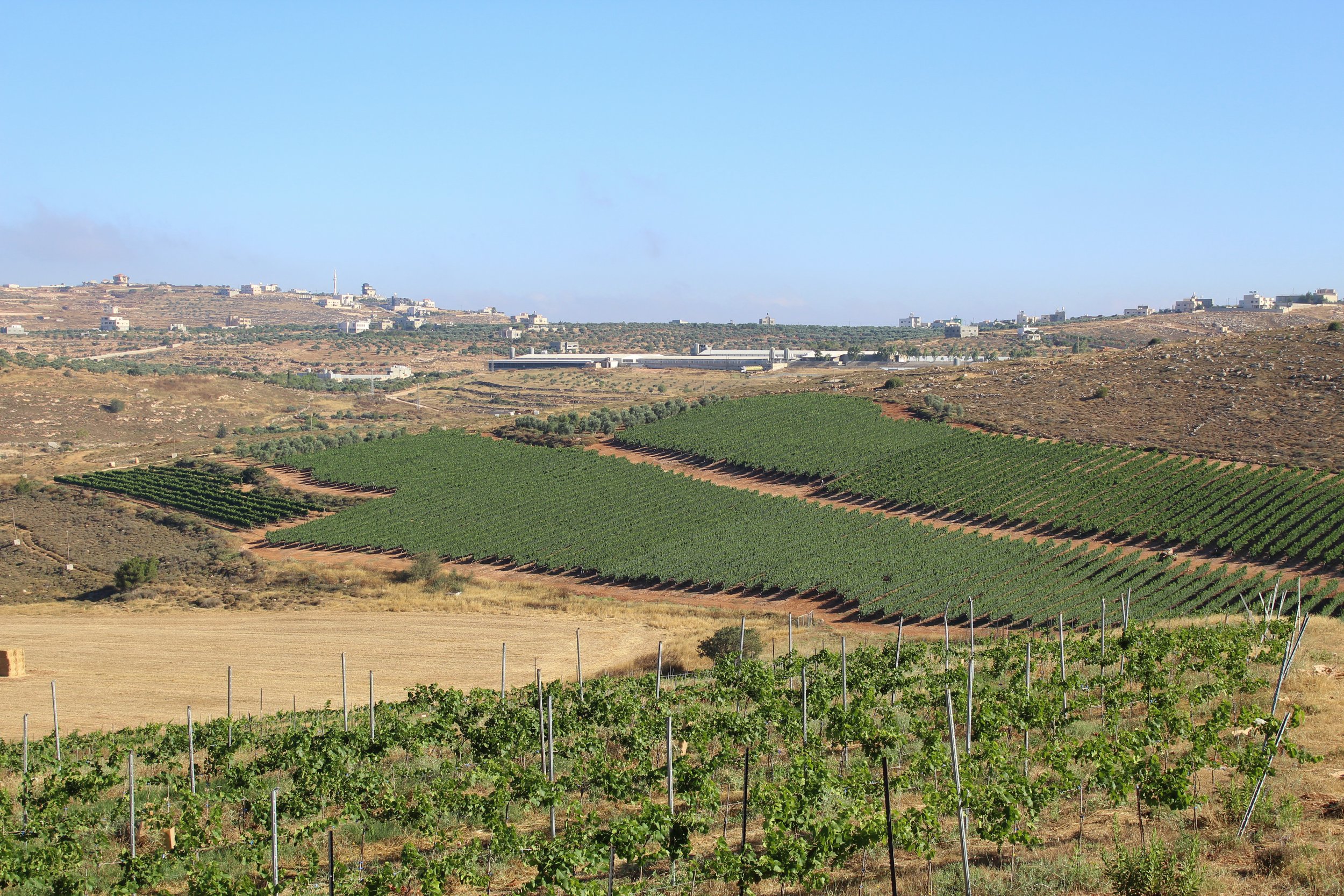
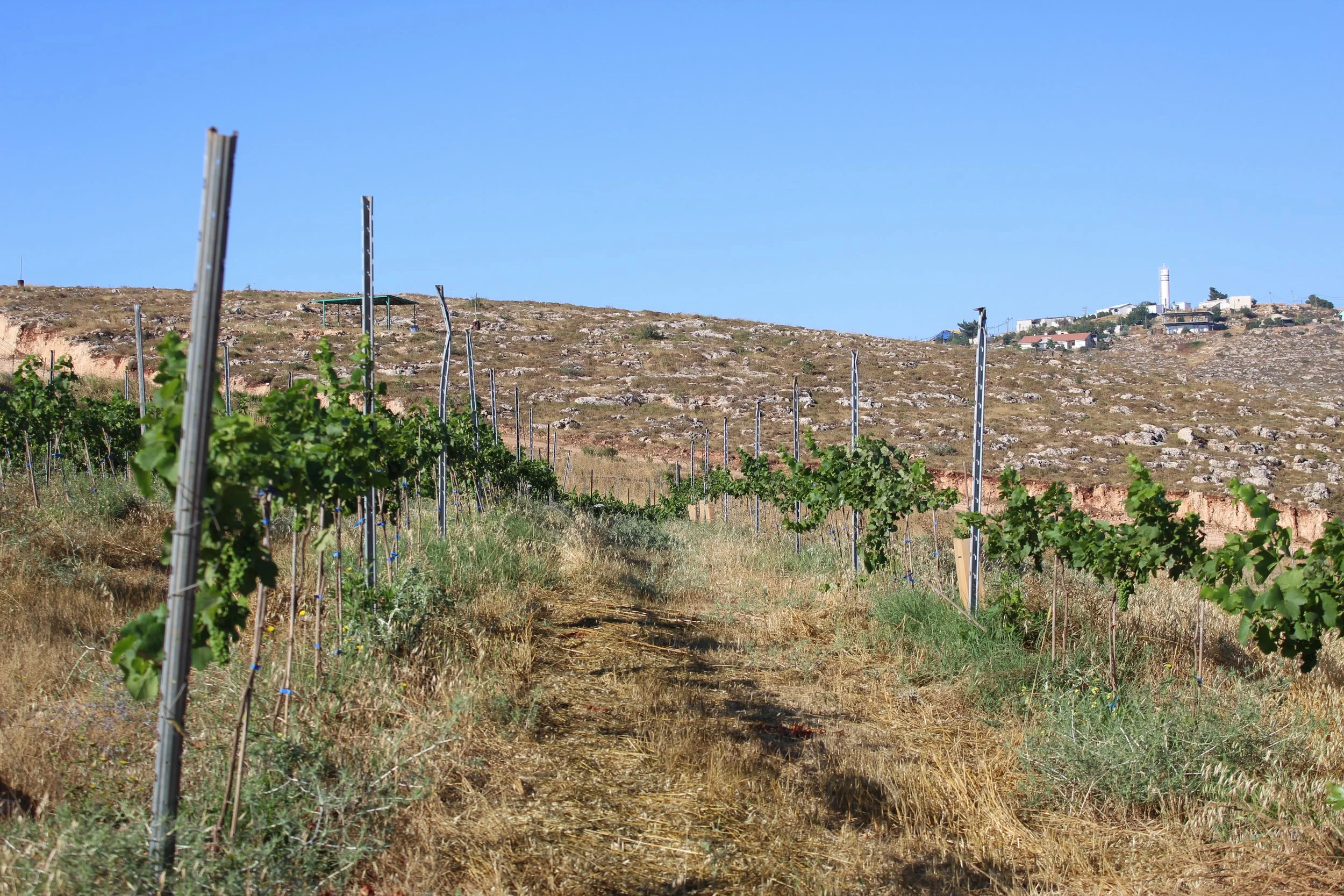
Today, those hills overflow with vineyards, the fulfillment of an ancient prophecy right before your eyes. Watch it come to life.
(Click on the image below to view the teaching.)
Esh Kodesh
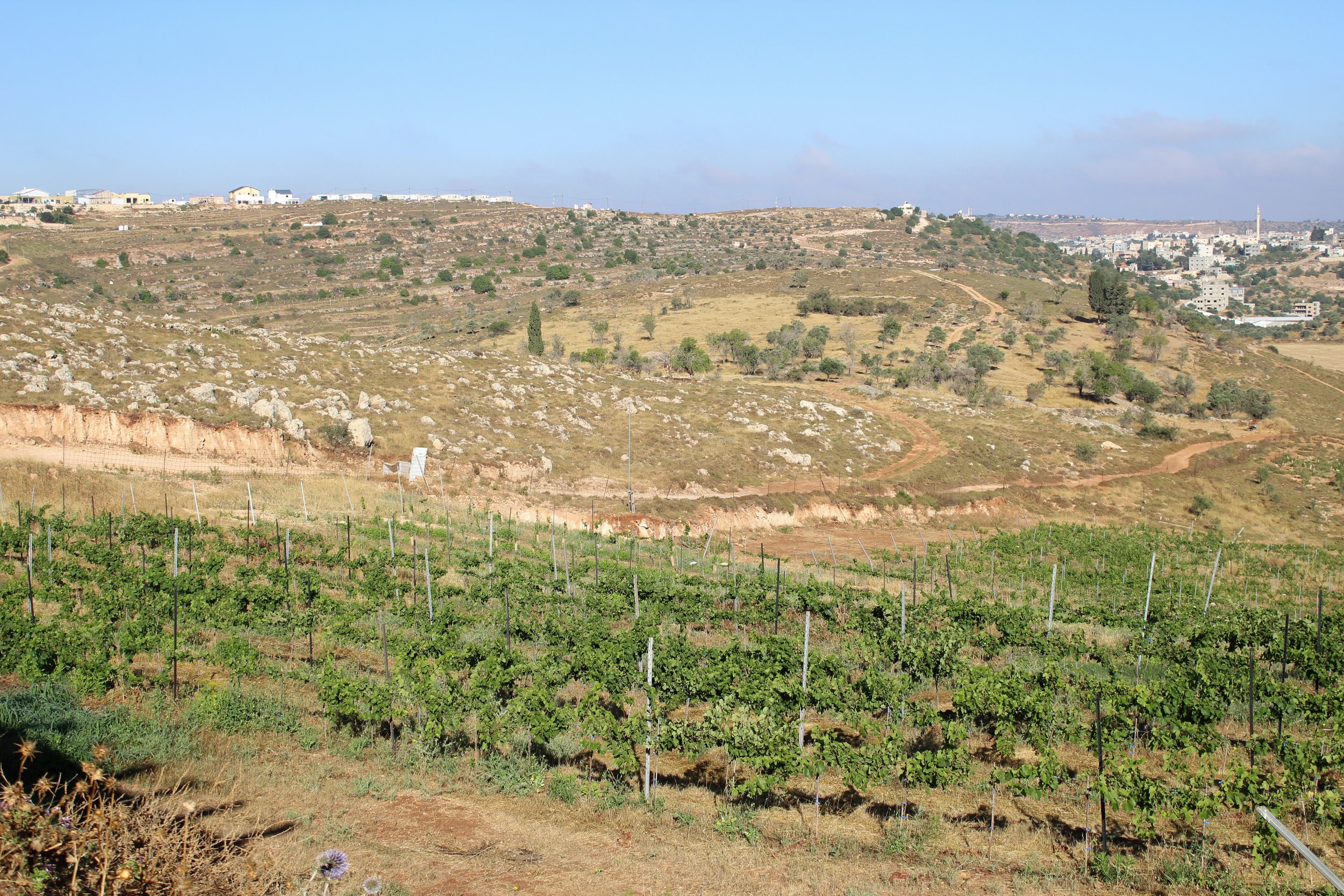
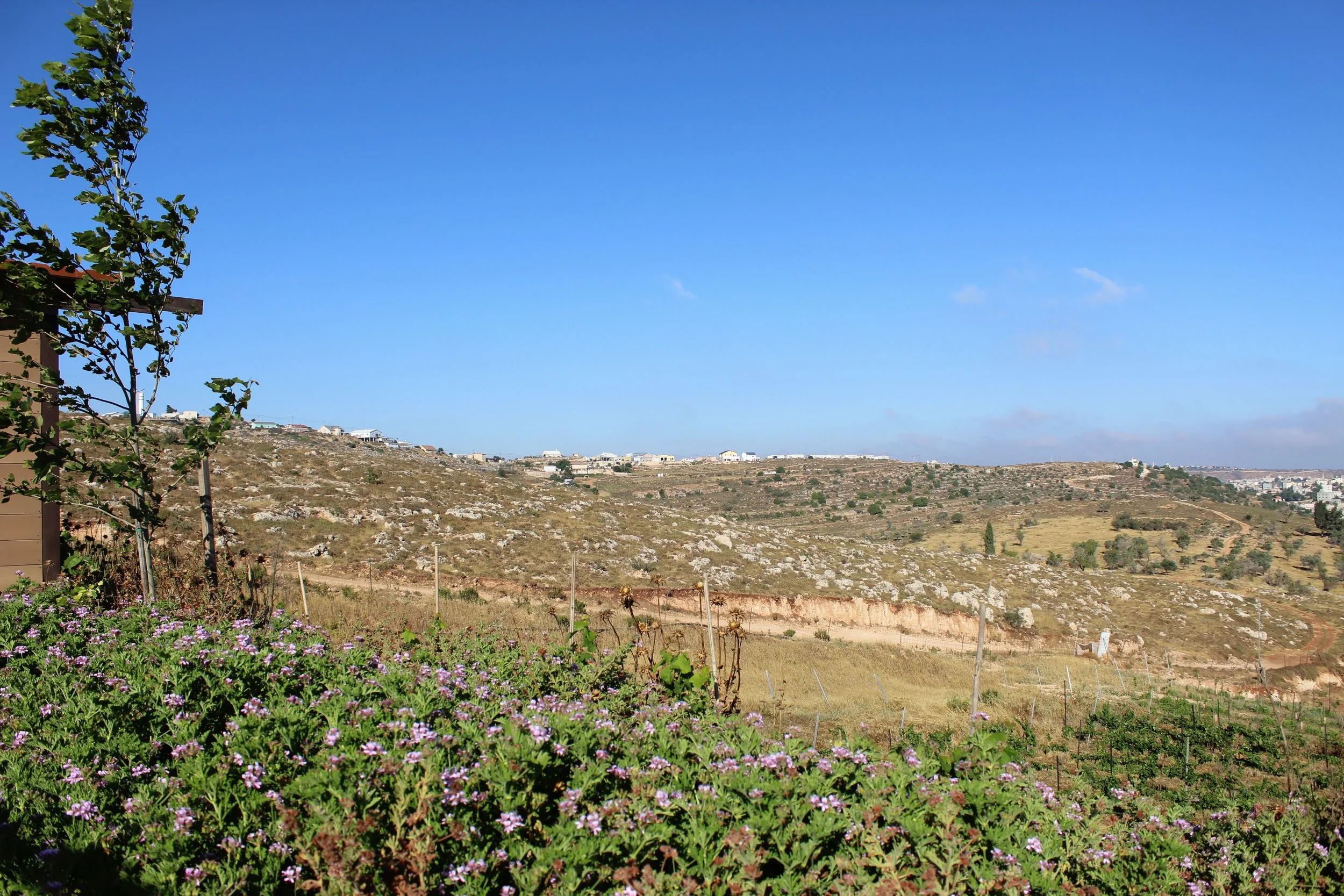
High in the hills of Samaria, some 35 kilometers (22 mi.) from Jerusalem, sits a small community comprised of just a few dozen families called Esh Kodesh, “Holy Fire.” Founded in 2,000, it’s a place most travelers will never pass through. The roads leading up are steep and winding, but the view from the top stretches from the Mediterranean Sea in the west to the Jordan Valley in the east. Just down the road sits Tel Shilo, the site where the Tabernacle stood for over 300 years before the Temple was ever built in Jerusalem, where Hannah once prayed for a son and where the Ark of the Covenant rested before it ever reached the City of David. This is not incidental geography. This is the heartland where Israel’s story began.
It’s also land that has not always been easy to hold. Communities like Esh Kodesh sit in contested territory, and residents here have known real hardship: isolation, sparse resources and, at times, violence and tension with neighbors who reject their presence. Yet families have stayed, building homes, raising children and remarkably planting vineyards on hills that experts once wrote off as unfarmable.
One of those families is the Katsoffs. In 2011, AY Katsof planted his first rows of grapevines in Esh Kodesh, inspired by a promise spoken two millennia earlier by the prophet Jeremiah: “You shall yet plant vines on the mountins of Samaria” (Jeremiah 31:5a). His then-seven-year-old daughter, Neomi, helped him plant those very first vines. By 2017, the Katsofs had bottled their first label. Today, their winery produces thousands of bottles a year on terrain still known for its unforgiving limestone soil, sharp temperature swings and dry summers, the same “impossible” conditions that once caused agricultural experts to doubt that vines could grow here at all.
For the Katsofs, this is a calling. Neomi has described her family’s deep connection to the Bible and the Land, a belief, passed down at every Shabbat (Sabbath) table, that this ground was promised to their ancestors and that planting vineyards here is a direct act of fulfilling that promise. AY calls his wine “liquid prophecy,” a phrase that captures something profound: an ancient word from Scripture, made tangible, poured into a glass.
Walking these hills today, past vineyards and watchtowers, past Esh Kodesh and Shilo, is to walk through thousands of years of Jewish history and to see, with your own eyes, an ancient promise once declared impossible now bearing fruit.