When We Ask God but Go Our Own Way
A broken people once asked Jeremiah for a word from God. He gave them one. They ignored it…and then did what they wanted anyway.
It’s easy to judge them. Until we realize how often we do the exact same thing. Do we actually want God’s direction, or are we just looking for His rubber stamp on plans we've already made?
From the ruins of Tel Lachish—Judah’s second-mightiest fortress—comes a challenge that still hits home: Will we seek God’s guidance and actually listen, or go our own way? Watch now.
(Click on the image below to view the teaching.)
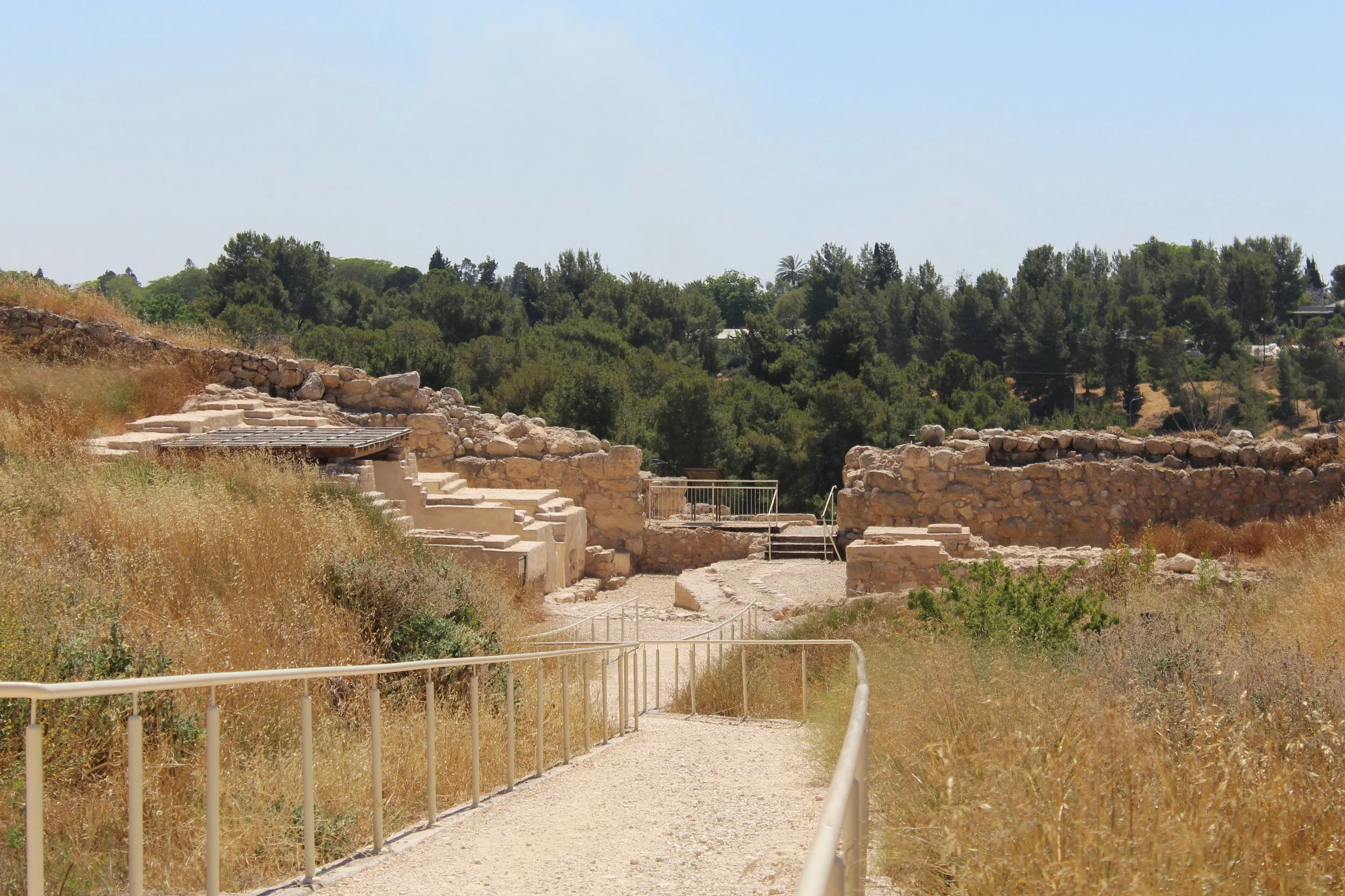
Tel Lachish
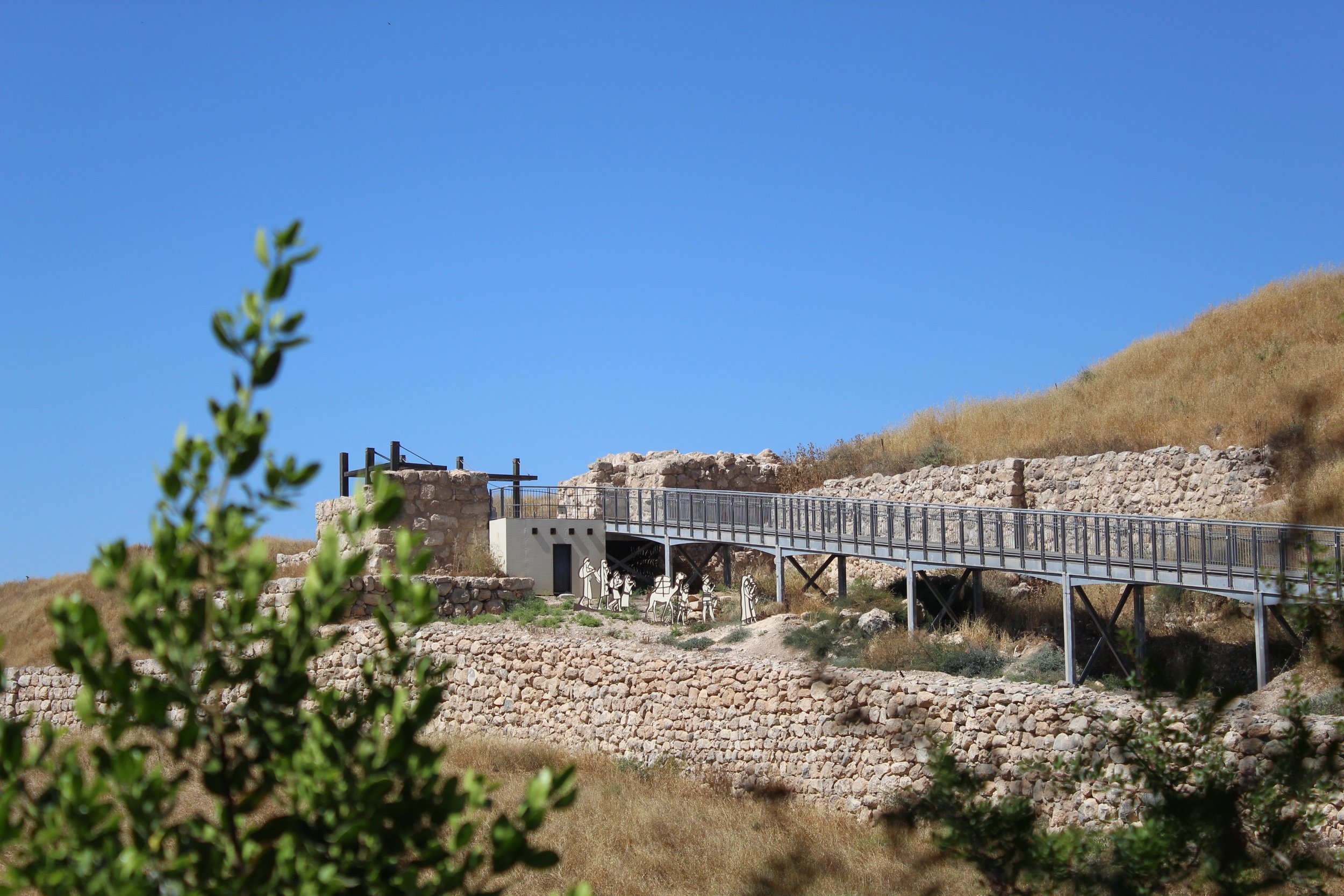
Rising from the Judean foothills southwest of Jerusalem, Tel Lachish was once the second most important city in the kingdom of Judah, a heavily fortified stronghold guarding the approach to the capital. Today it stands in ruins, but its mound still holds the story of a nation’s warnings ignored and judgment delivered.
Lachish first appears in Scripture during the conquest of Canaan, when its king joined four others in an alliance against Gibeon for making peace with Israel (Josh. 10:1–5). Joshua defeated the coalition and later besieged and captured Lachish itself (Josh. 10:31–32).
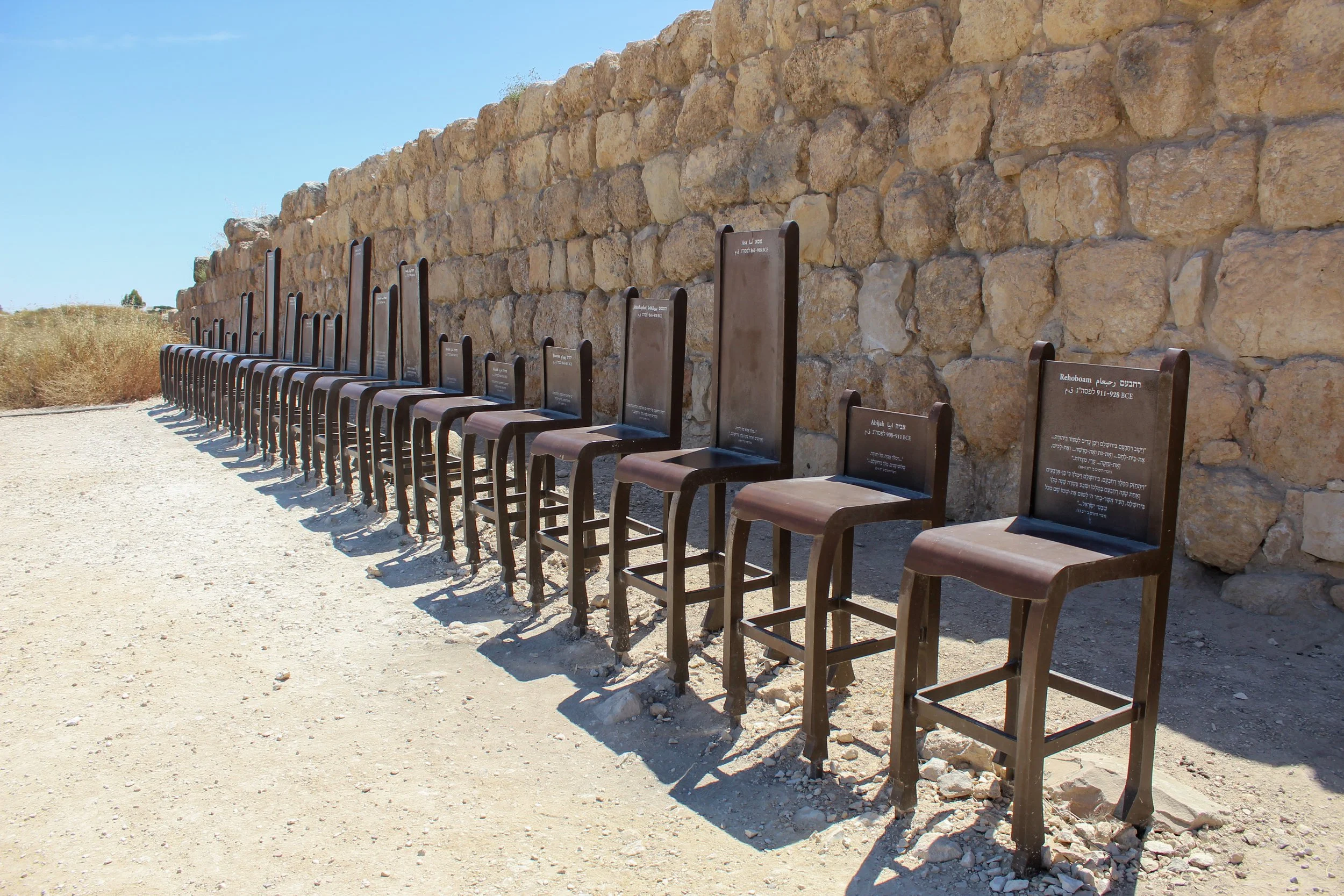
Centuries later, King Rehoboam fortified the city as one of Judah’s key defensive strongholds, stocking it with provisions, weapons and commanders (2 Chron. 11:5–12). It was to Lachish that King Amaziah fled when a conspiracy rose against him in Jerusalem, and it was there that his pursuers caught up with him and put him to death (2 Chron. 25:27). The prophet Micah even named the city directly, warning that Lachish had led Judah into the very transgressions that would bring judgment (Micah 1:13).
That judgment arrived in 701 BC, when King Sennacherib of Assyria besieged Lachish after Hezekiah’s rebellion against Assyria (2 Kings 18:7, 13–14; 2 Chron. 32:9). Archaeologists later confirmed just how total that siege was: a destruction layer of ash, collapsed brick and melted pottery so severe that excavator David Ussishkin called it among the most devastating he’d seen at any site in Israel. The scale of Assyria’s victory was so significant that Sennacherib commissioned an enormous relief of the conquest for his palace at Nineveh, reliefs that remain on display at the British Museum today, depicting Judean captives pleading for mercy. Yet Jerusalem itself was spared.
More than a century later, Lachish fell again, this time to Babylon. As Nebuchadnezzar’s armies swept through Judah, Jeremiah recorded that only two fortified cities besides Jerusalem still stood: Lachish and Azekah (Jer. 34:7). Archaeologists later uncovered striking confirmation of this desperate final stand: a set of letters written on broken pottery by a Judean military officer, describing troop movements in the war’s closing days. Their timing lines up remarkably with Jeremiah’s own account of those final, harrowing months.
In the chaos following Jerusalem’s fall, Babylon appointed Gedaliah, a Judean, to govern what remained of the land (2 Kings 25:22; Jer. 40:5). But within months, he was assassinated by a rival faction (2 Kings 25:25; Jer. 41:1–3), leaving the surviving remnant leaderless, terrified of Babylonian retaliation and uncertain whether to stay in the land or flee.
It’s this same fractured, frightened community that came to Jeremiah with a plea for God’s direction. What they did with His answer is a story that still confronts us today: Do we seek God’s guidance to obey it, or only to have it confirm what we’ve already decided to do?
Today, Tel Lachish stands as a national park, its ruins surrounded once again by vineyards, a picture of the land’s endurance long after the empires that destroyed it have themselves faded to dust.