The Nations Rage, But Heaven Laughs
Daniel Kirchhevel
Why do the nations rage? In this episode of Ignite the Truth, Daniel Kirchhevel unpacks the enduring truths of Psalm 2, a prophetic passage that speaks powerfully into today’s world. As humanity resists God’s authority and seeks autonomy apart from Him, Psalm 2 reminds us that rebellion against the Creator is ultimately futile. This teaching challenges viewers to reject pride, stand for truth and take refuge in the Lord.
(Click on the image below to view the teaching.)
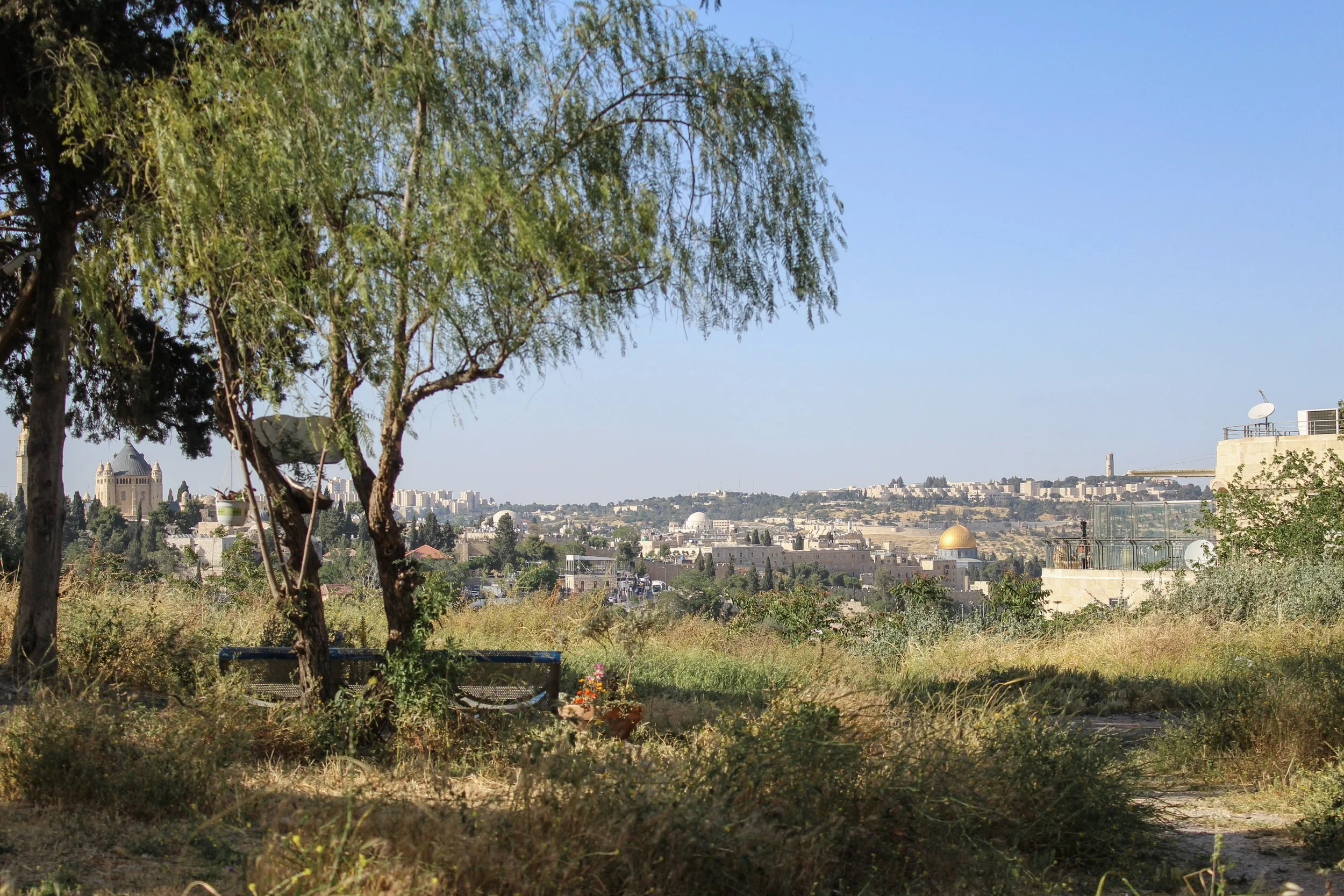
Abu Tor
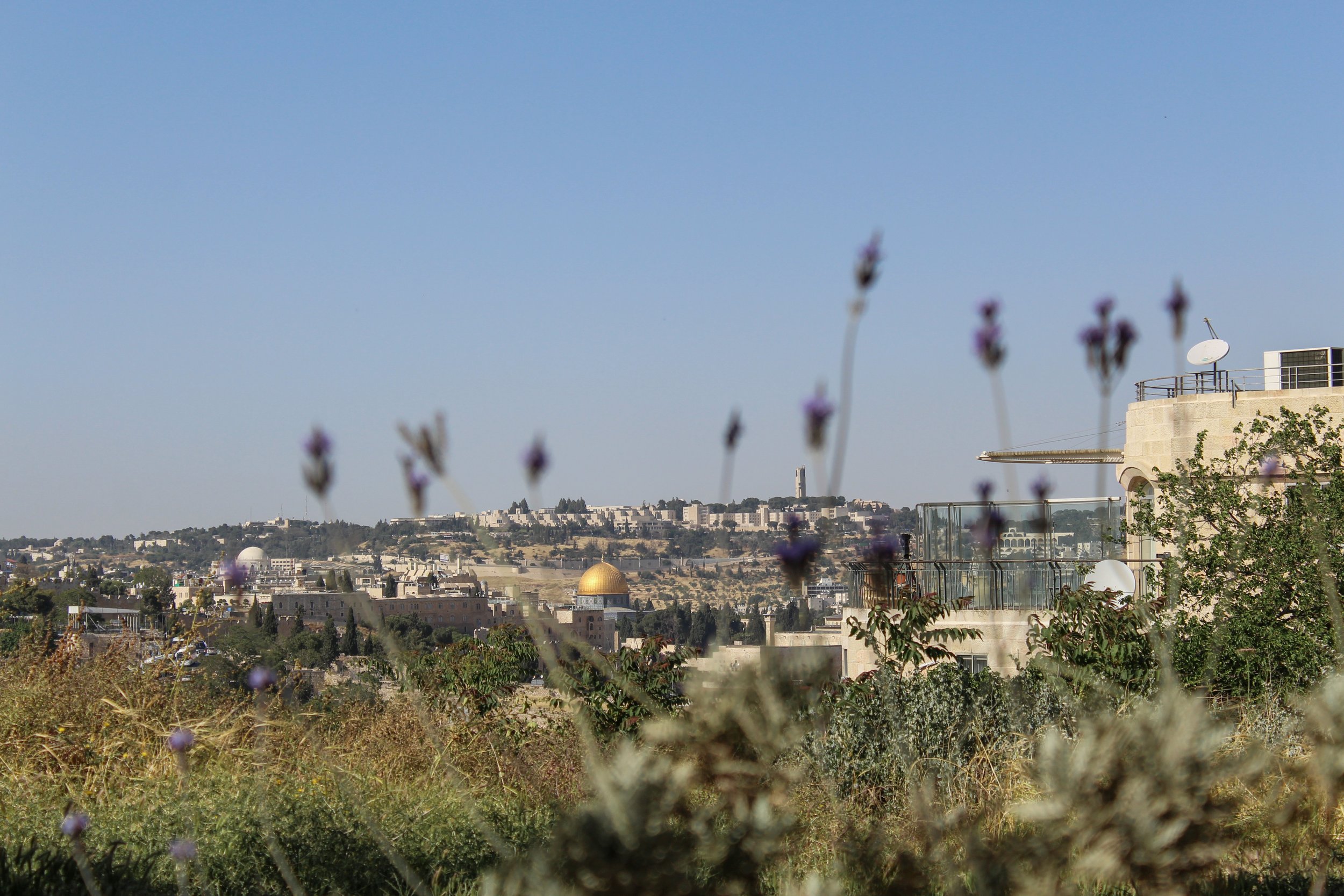
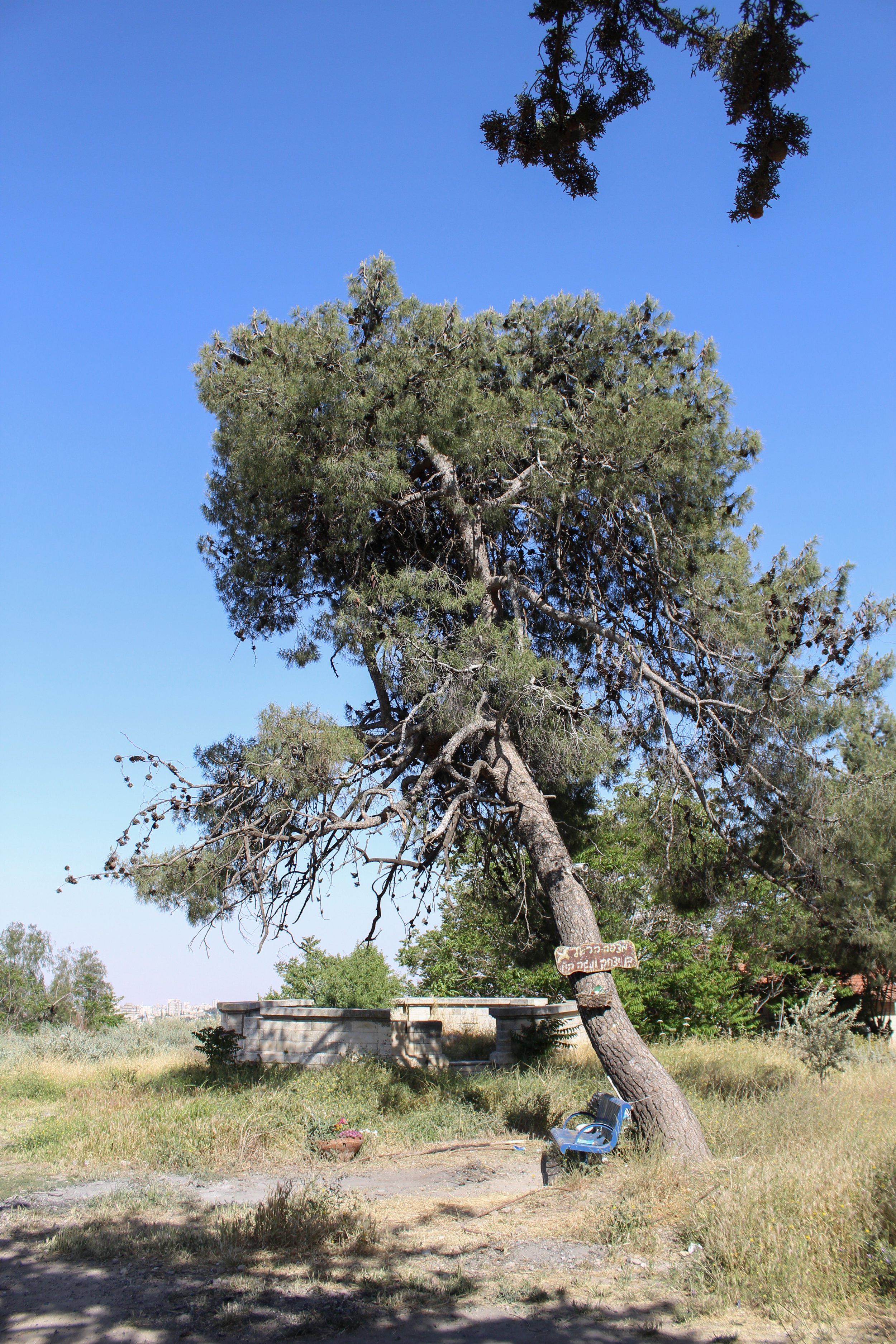
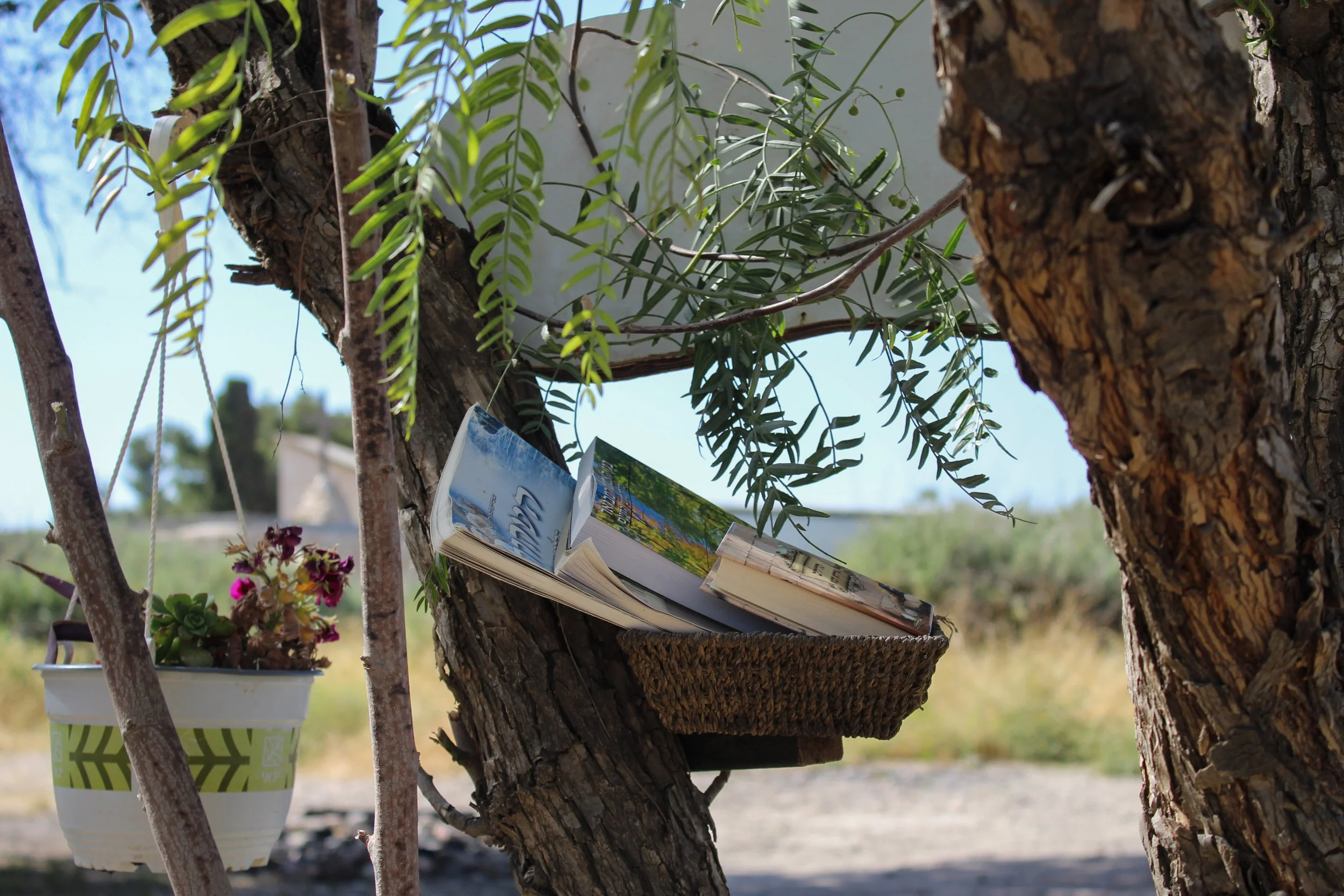
This week’s episode of Ignite the Truth was filmed in the Abu Tor neighborhood, just south of Jerusalem’s Old City. Perched on a hill, Abu Tor offers sweeping views of the Old City Walls, the Temple Mount and, to the east, the Judean Desert.
Abu Tor is one of Jerusalem’s best-known mixed neighborhoods, home to both Jewish and Arab residents. Often referred to as a “seam” neighborhood, it once sat directly on the seam of the divided capital when it was split between Israel and Jordan from 1948 to 1967. Though the neighborhood has a mixed population—roughly 13,000 Arabs and 2,000 Jews, according to 2017 data—the communities largely live in separate sections.
The neighborhood’s name comes from the Arabic Deir Abu Thor, meaning “Monastery of the Bull Father.” Tradition connects the name to the Crusader period, though accounts differ. One story says the area was named after a Muslim warrior, Ahmad al-Qusi, who fought while riding a bull and was rewarded with this hill. Another tradition claims a commander under Saladin boasted that he could conquer Jerusalem “even while riding a bull.”
Jewish residents know the area as Givat Hananya, Hebrew for “The Hill of Hananya.”
You may recognize this scenery from last week’s episode with Reverend Terry Mason, as the Hill of Evil Counsel is also located in Abu Tor. Both videos were filmed in the Abu Tor area overlooking Jerusalem.
The neighborhood’s history reflects the broader story of Jerusalem itself: beautiful, contested and deeply layered. During Israel’s War of Independence in 1948, fierce fighting cut directly through Abu Tor. Israeli forces controlled the western ridge while Jordanian forces held the eastern side, leaving the neighborhood literally divided by barbed wire and military barriers for 19 years.
That division ended during the Six Day War in 1967, when Jerusalem was reunified under Israeli control. Yet the legacy of division lingers. Abu Tor remains a place where coexistence is a daily reality, but often fragile, marked by both peaceful daily life and periods of tension, particularly during times of unrest, like the First Intifada.
That backdrop makes Abu Tor a fitting location for this week’s discussion of Psalm 2. In the psalm, the nations rage, leaders plot and humanity rebels against God’s authority. Standing in a neighborhood shaped by conflict and competing claims, the words of Psalm 2 feel especially relevant.
Yet the psalm ultimately points beyond human striving and political turmoil to the sovereignty of God, reminding us that earthly kingdoms rise and fall, but His purposes endure forever.