Are Modern Jews the Biblical Israel?
Are the Jewish people of today really the people of the Bible?
Some say no, that the line was broken, that the covenant family of Abraham, Isaac and Jacob is long gone.
Paul saw it differently: “If the root is holy, so are the branches” (Rom. 11:16).
Scattered for 2,000 years. Never destroyed. Now home.
That’s not just history. It’s a promise kept, and a reminder that the God who keeps His word to Israel will keep it to you, too.
(Click on the image below to view the teaching.)
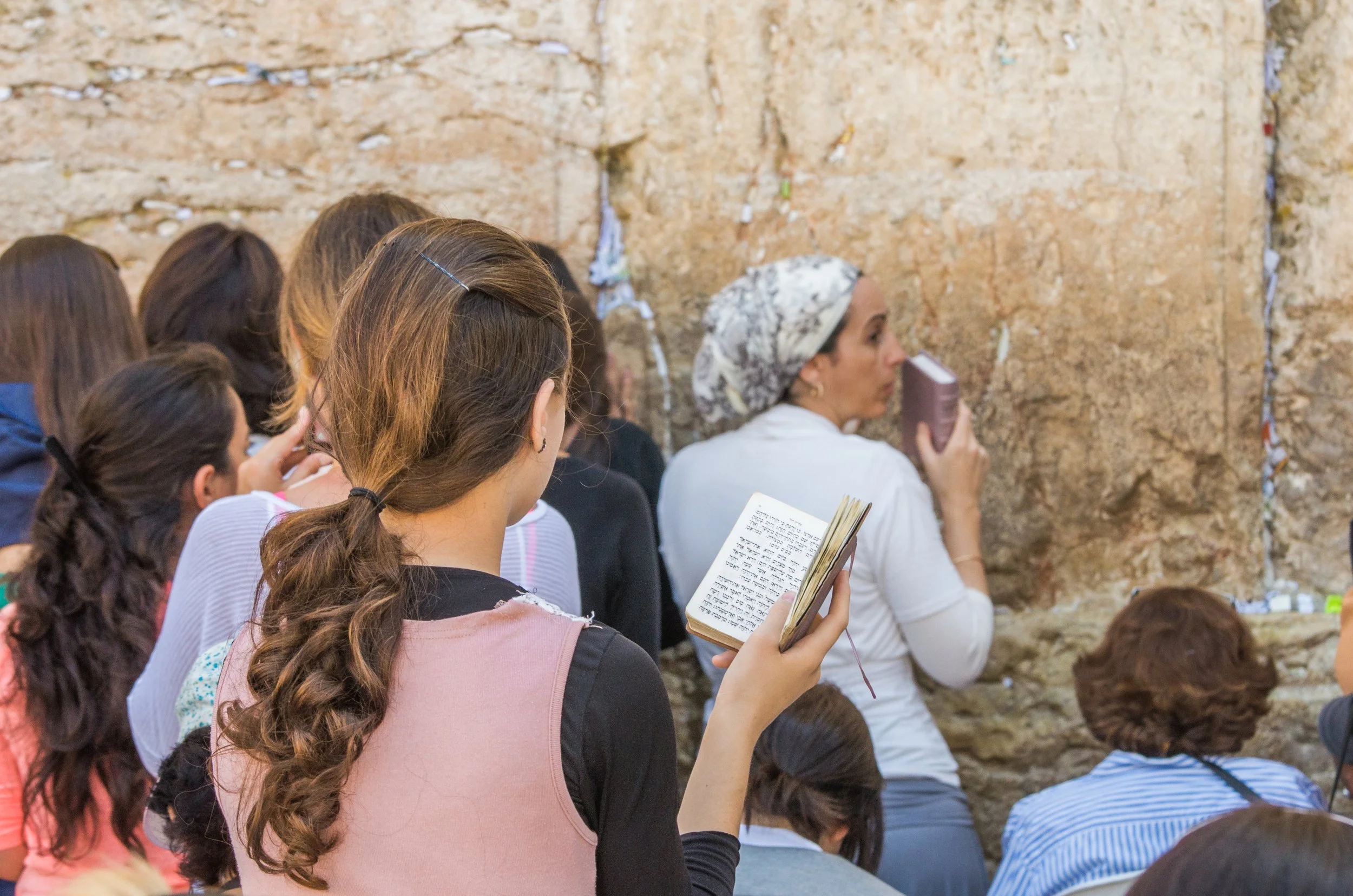
Western Wall
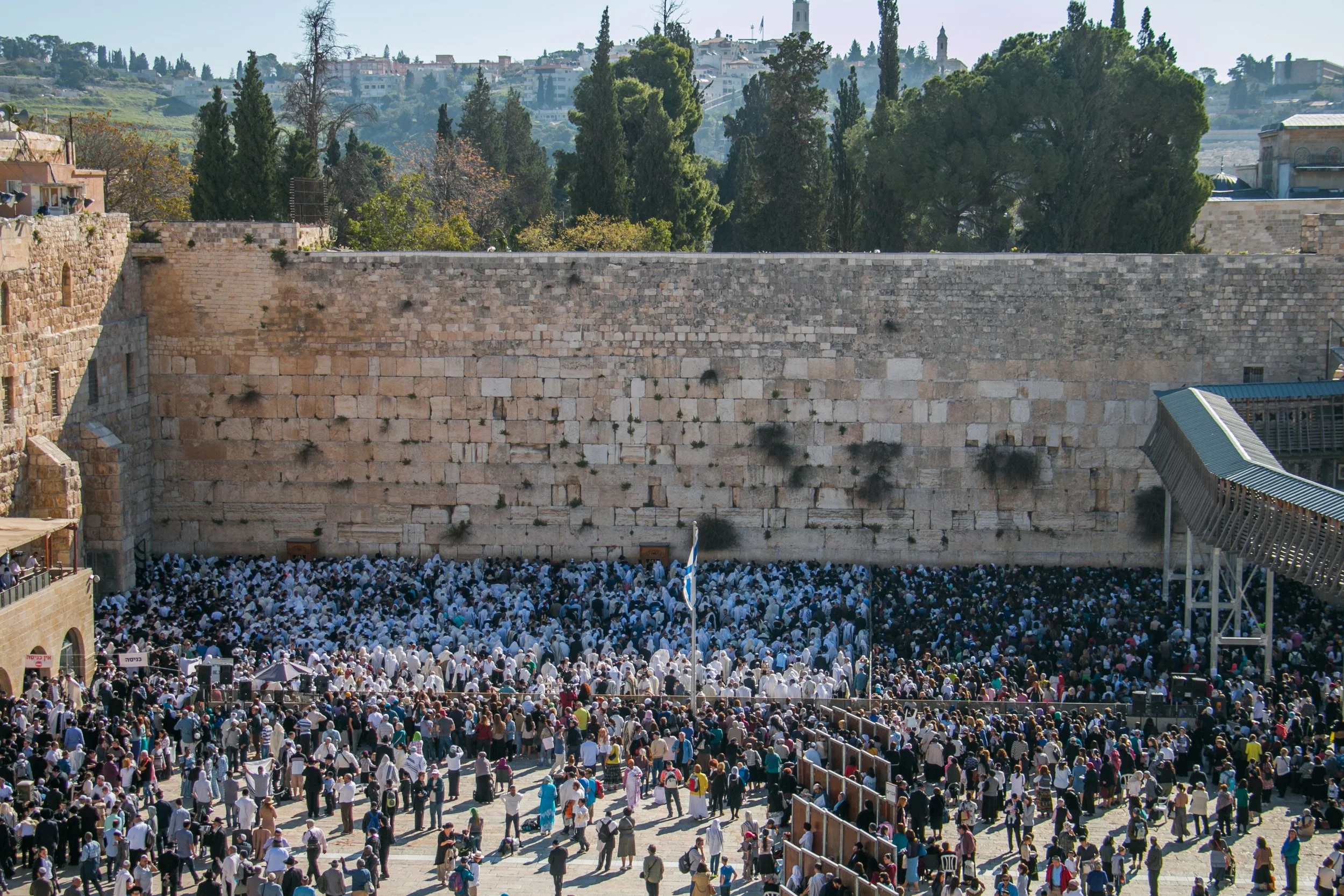
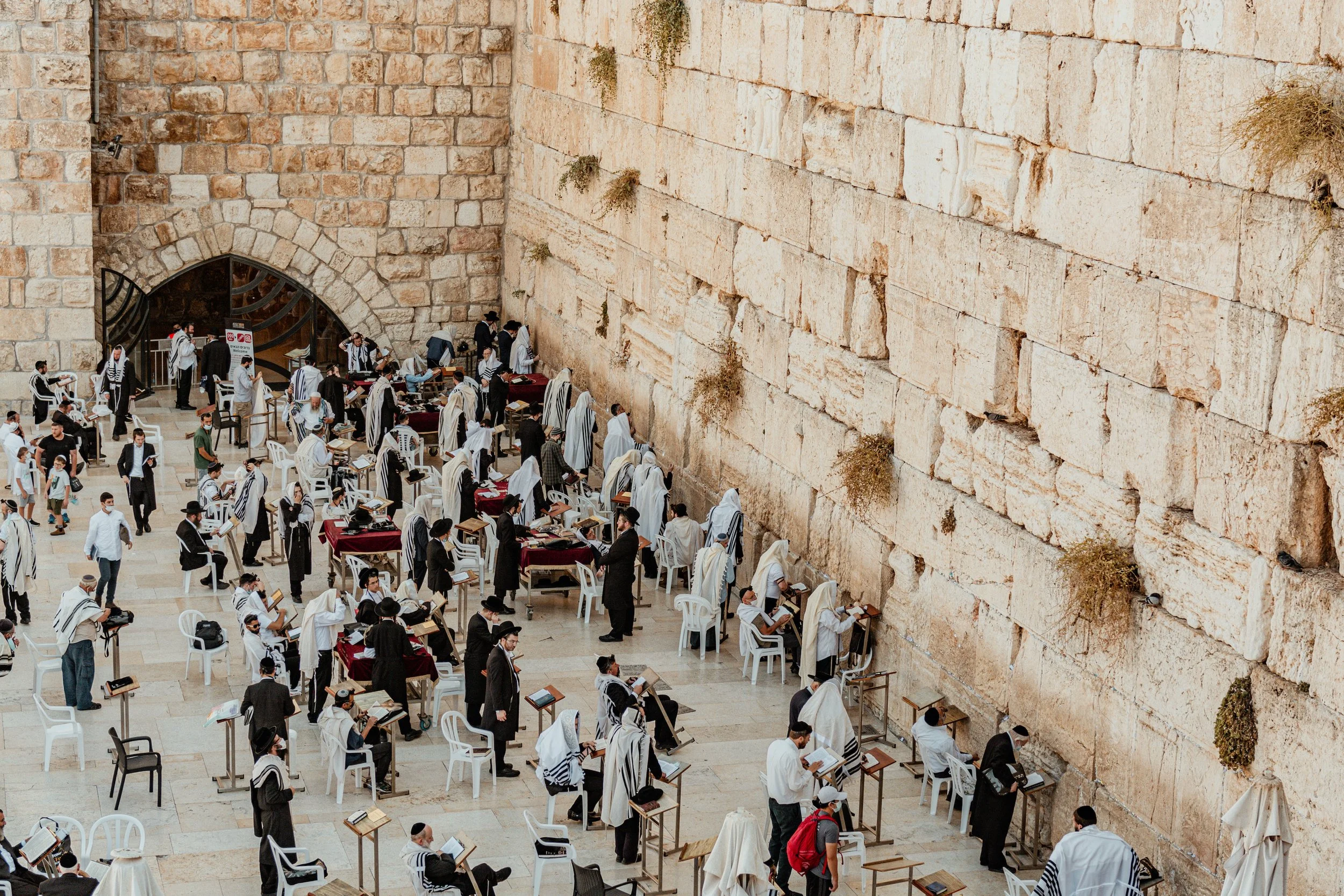
The Western Wall stands at the foot of the Temple Mount in Jerusalem’s Old City. In Hebrew, it is called HaKotel HaMa’aravi (“Western Wall”), and it is the most cherished place of prayer for the Jewish people. The wall is a section of the massive retaining wall that King Herod built when he enlarged the platform around the Second Temple shortly before the birth of Jesus. Today it is the closest place Jews can pray to where the Temple once stood.
The mountain this wall surrounds has a long biblical history. Tradition identifies it with Mount Moriah, where Abraham bound Isaac (Gen. 22:2). David later bought the threshing floor of Araunah there and built an alter to the Lord (2 Sam. 24:18–25). Solomon then raised the first Temple on that same spot (2 Chron. 3:1). At the Temple’s dedication, God promised, “I have consecrated this house which you have built to put My name there forever, and My eyes and My heart will be there perpetually” (1 Kings 9:3b).
The Babylonians destroyed Solomon’s Temple (2 Kings 25:8–9). The exiles who returned rebuilt it (Ezra 3:8–13; 6:15), and Herod later expanded it into the Temple Jesus knew. Jesus was found there as a boy, sitting among the teachers (Luke 2:46). He walked in Solomon’s Porch during the Feast of Dedication (John 10:22–23). He also foretold that not one of the Temple’s stones would be left on another (Matt. 24:1–2). In AD 70, Rome fulfilled those words when it burned the Temple and tore it down. The outer retaining wall, however, survived.
Through centuries of exile and foreign rule, Jews came to mourn and pray near the ruins whenever they were permitted. In the 16th century, the Ottoman sultan Suleiman the Magnificent set aside a narrow alley along the wall as a place for Jewish prayer. The prayers offered there were so heartfelt that outsiders began calling it the “Wailing Wall,” a name the Jews themselves never adopted. From 1948 to 1967, Jordan held the Old City, and no Israeli Jew was allowed to approach the wall. That changed on June 7, 1967, when Israeli paratroopers reached it during the Six Day War. Soon afterward, the cramped alley was cleared to make the wide plaza visitors see today.
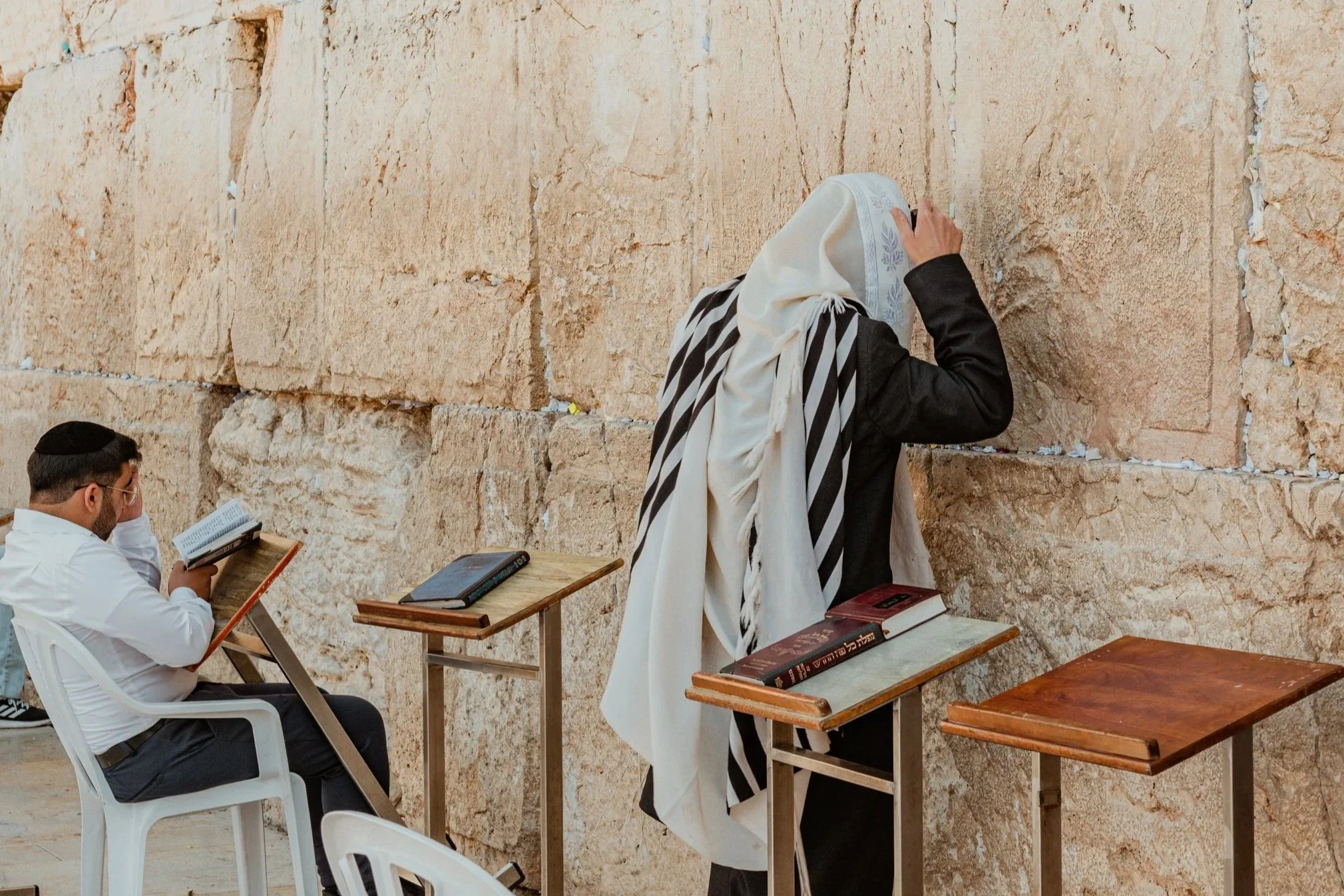
Herod’s enormous limestone blocks, with their finely chiseled borders, can still be seen in the wall’s lower layers, and tunnels follow the wall underground for hundreds of feet. Worshippers tuck written prayers into the cracks between the stones. Twice a year, these notes are gathered and buried on the Mount of Olives. Day and night, the plaza fills with people at prayer, along with bar/bat mitzvah (religious coming-of-age for boys and girls) celebrations, Shabbat (Sabbath) gatherings and holiday crowds.
The prophet Zechariah foresaw a day when elderly men and women would again sit in Jerusalem’s streets and children would play there (Zech. 8:4–5). At the Western Wall, that promise can be seen in every generation that gathers to pray.