O Death, Where Is Your Sting?
What are you afraid of?
Missiles. A doctor’s report. A failing business. The future.
Underneath them all: fear of death.
The ancients tried everything. Lavish tombs. The hope that the soul lived on while the body rotted away. But ultimately, the grave still won.
Then Jesus rose again as the Firstfruits. And firstfruits mean a harvest is coming.
His resurrection isn’t just a promise for someday. It’s a reason to stop living afraid today.
(Click on the image below to view the teaching.)
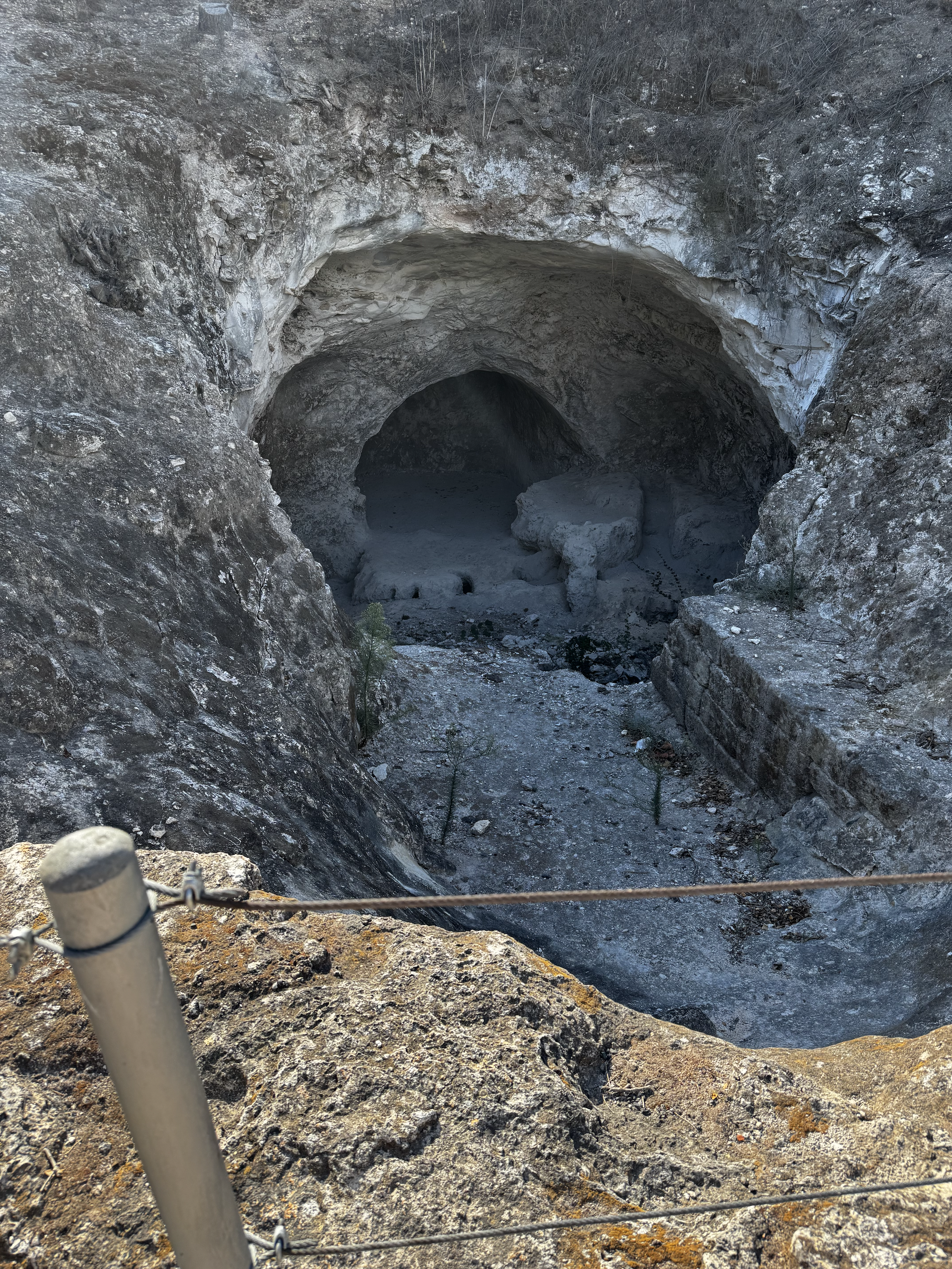
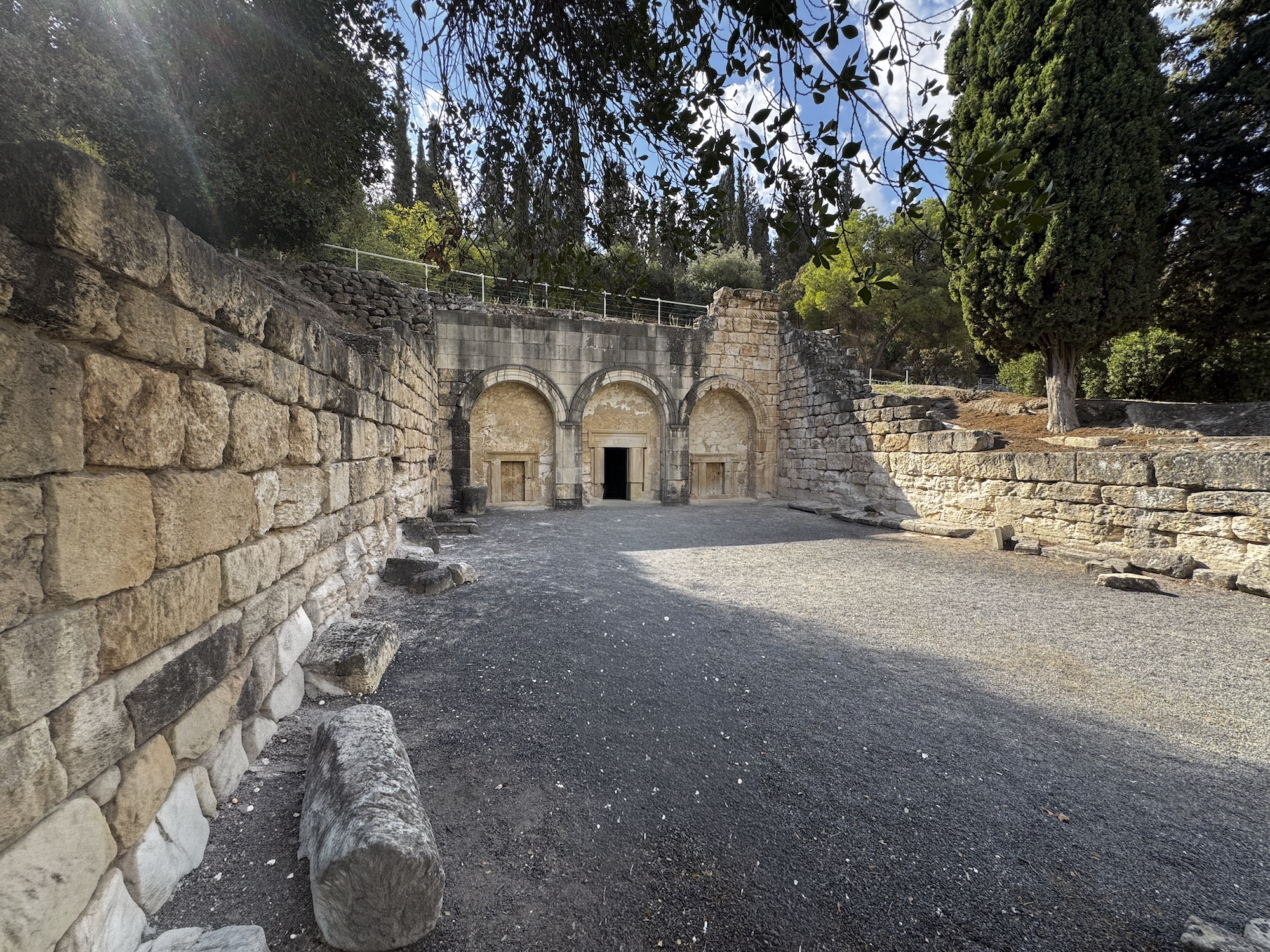
Beit She’arim
Set in the hills of the Lower Galilee, on the edge of the Jezreel Valley southeast of Haifa, Beit She’arim is the largest ancient Jewish cemetery in the land of Israel. Its Hebrew name means “House of Gates,” and for centuries, it was a final gateway for Jews from across the ancient world.
The surrounding landscape is full of biblical history. Below the hills flows the Kishon, “that ancient torrent” where God gave Deborah and Barak victory over Sisera (Judg. 4:7, 13–16; 5:21). It is also where Elijah brought the prophets of Baal after the contest on Mount Carmel (1 Kings 18:40). The Carmel ridge rises to the west.
The town was founded during the reign of Herod the Great, and the historian Josephus knew it as Besara, a center for royal estates in the Jezreel Valley. After Jerusalem fell in AD 70, the center of Jewish life gradually moved north. When Rome crushed the Bar Kokhba revolt in AD 135, Jews were barred from Jerusalem. Burial on the Mount of Olives, long the most desired resting place, was no longer possible. Later in the second century, the Sanhedrin, the Jewish high council, relocated to Beit She’arim under Rabbi Judah the Prince, compiler of the Mishnah (first written recording of Jewish oral tradition). Judah died in nearby Sepphoris but was buried here around AD 220, and Jews soon sought burial near him.
Over the next two centuries, the hillsides were carved into dozens of catacombs. Inscriptions, chiefly in Greek and Hebrew with some Aramaic and Palmyrene, tell of people carried here from Phoenicia, Syria, Babylonia and even southern Arabia. The town suffered during a Jewish revolt against Rome in AD 351. Burials ended by the sixth century, and the site was abandoned and forgotten. In 1936, a local watchman, Alexander Zaid, came upon the caves, and excavations followed in the 1930s and 1950s. In 2015, the necropolis was named a UNESCO World Heritage Site.
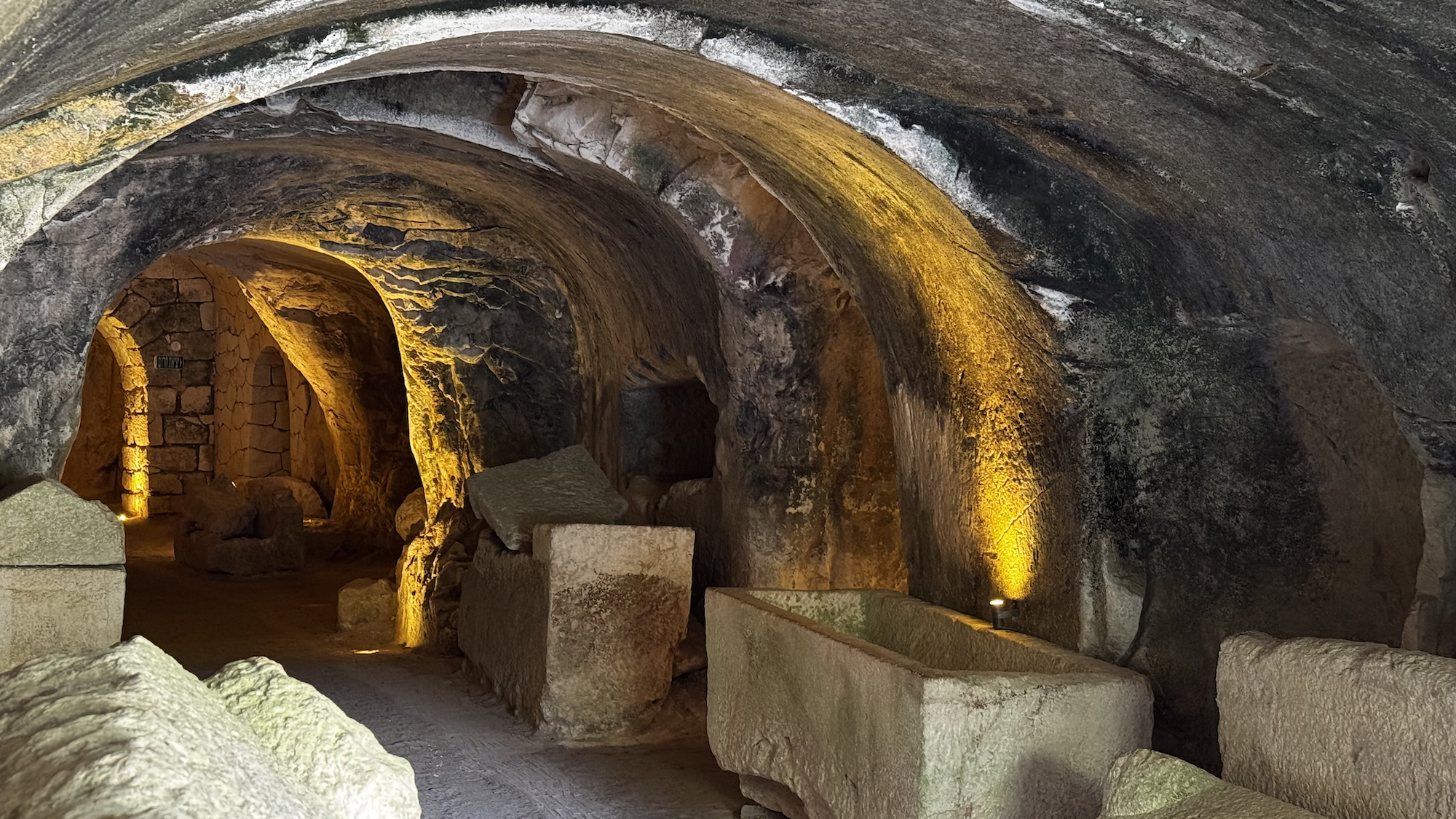
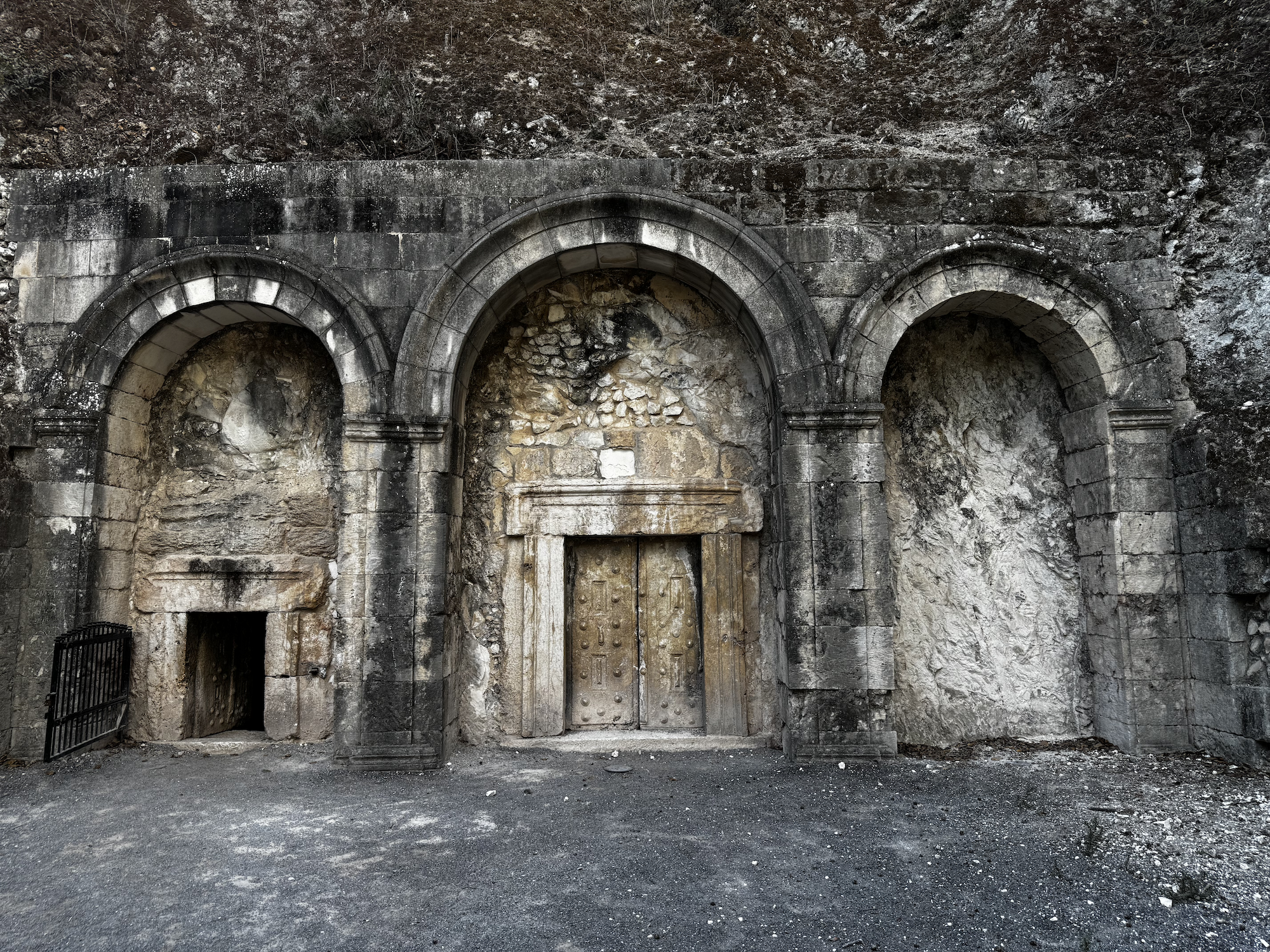
Today, visitors cross open courtyards and descend into cool rock-cut halls. Many entrances still have stone doors carved to imitate wooden ones, down to the panels and nail heads. The Cave of the Coffins holds more than 130 limestone sarcophagi decorated with menorahs, lions, eagles and bulls’ heads. Another complex, believed to belong to Judah’s family, bears inscriptions naming his sons, Rabbi Gamaliel and Rabbi Shimon. Grave robbers left their mark nearly everywhere, breaking open coffins despite inscriptions warning that anyone who disturbed a tomb would come to an evil end.
Those warnings could not protect the dead, and the ancient world could offer the grieving only resignation. Yet a believer can stand in this city of the dead with hope, for “now Christ is risen from the dead, and has become the firstfruits of those who have fallen asleep” (1 Cor. 15:20).